
🧪 Why a Night Skincare Routine Matters
During sleep, your skin goes into regeneration mode. According to research in the Journal of Investigative Dermatology, skin cell mitosis (cell division) peaks at night, particularly between 11 PM and 4 AM. Therefore, what you apply at night can significantly influence your skin health, glow, and elasticity.
A natural night skincare routine not only enhances beauty but also avoids toxic buildup from harsh chemicals.
🧼 Step-by-Step Night Skincare Routine Using Natural Products
| Step | Purpose | Natural Alternatives |
|---|---|---|
| 1. Cleanse | Remove dirt & makeup | Raw honey, coconut oil, micellar rose water |
| 2. Exfoliate (2x/week) | Remove dead skin | Oatmeal scrub, fruit enzymes |
| 3. Tone | Balance pH | Witch hazel, green tea |
| 4. Treat | Target issues | Tea tree, aloe, niacinamide from chickpeas |
| 5. Moisturize | Hydrate & repair | Rosehip oil, shea butter, almond oil |
| 6. Seal | Lock in actives | Jojoba oil, lanolin |
| 7. Eye Care | Reduce puffiness & lines | Cucumber extract, chamomile gel |
| 8. Lip Treatment | Nourish lips | Ghee, honey, beetroot balm |
🌿 20+ Natural Remedies for Your Night Skincare Routine
🌿 1. Rosehip Oil (Anti-aging & Skin Repair)
Mechanism: Rosehip oil is rich in retinoic acid (a form of Vitamin A), linoleic acid, and antioxidants. It stimulates collagen production, reduces fine lines, and supports skin regeneration.
Usage: Apply 2–3 drops directly on clean skin after toner. Massage gently using upward motions.
Risks: May clog pores for acne-prone or oily skin types. Use non-comedogenic formulations only.
Scientific Source: PubMed Study – Anti-Aging
🍯 2. Raw Honey (Cleansing + Healing)
Mechanism: A natural humectant that draws moisture into the skin. Its antibacterial properties (due to methylglyoxal) help fight acne and repair damaged skin.
Usage: Use as a face cleanser. Massage into damp skin, leave for 5–10 minutes, rinse with lukewarm water.
Risks: Rare allergic reactions; not ideal for oily skin types if used excessively.
Scientific Source: NCBI Article
🌰 3. Sweet Almond Oil (Brightening & Nourishing)
Mechanism: Packed with vitamin E, niacinamide, and fatty acids. Helps lighten dark circles, nourish the barrier, and improve skin tone.
Usage: Apply 3–5 drops and massage as a last step in your routine.
Risks: Not suitable for people with nut allergies.
Scientific Source: Healthline Clinical Overview
🌿 4. Aloe Vera Gel (Hydration + Healing)
Mechanism: Contains aloin, vitamins C & E, and enzymes that soothe irritation, reduce inflammation, and promote wound healing.
Usage: Use a fresh aloe leaf or 99% pure gel. Apply generously as an overnight mask.
Risks: Mild reactions in people allergic to latex.
Scientific Source: PubMed Study
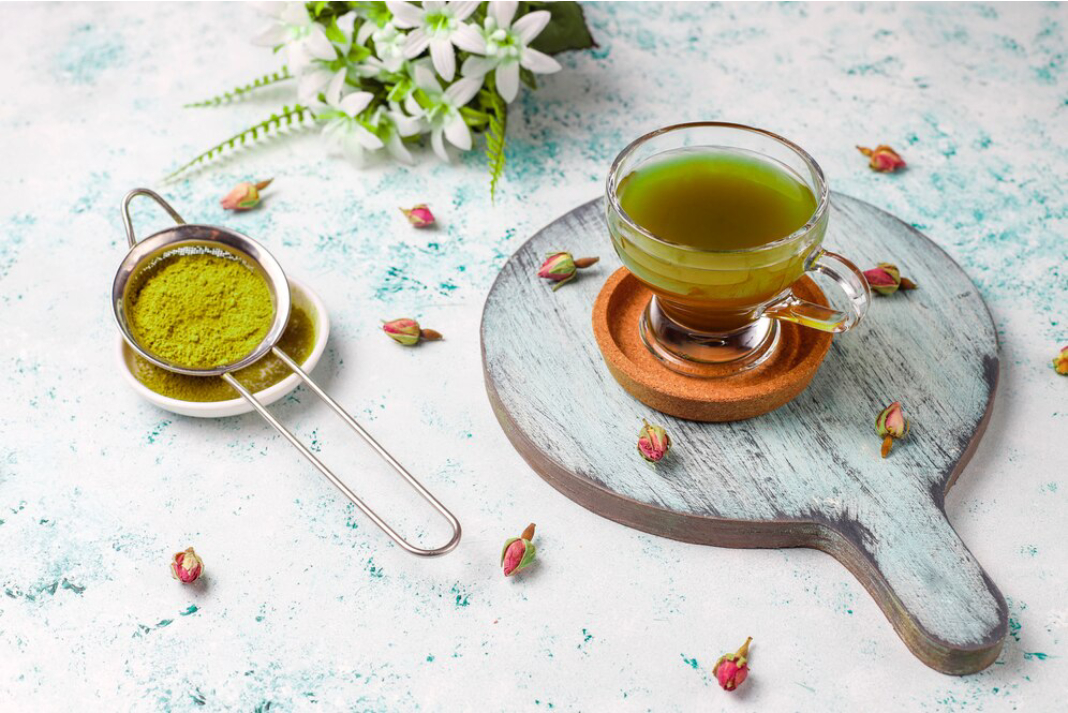
🫖 5. Green Tea Toner (Toning + Antioxidant Protection)
Mechanism: High in EGCG (Epigallocatechin gallate), which has anti-inflammatory and antimicrobial properties. Helps reduce acne and controls sebum.
Usage: Brew organic green tea, cool it, and apply with a cotton pad.
Risks: Usually safe for all skin types.
Scientific Source: JAAD Study
🧈 6. Shea Butter (Deep Moisturization)
Mechanism: Rich in triterpenes and cinnamic acid, helps restore skin elasticity, fade scars, and deeply moisturize.
Usage: Apply a pea-sized amount on damp skin before bed.
Risks: Can clog pores if used on oily or acne-prone skin.
Scientific Source: NCBI Review
🍋 7. Lemon Balm Extract (Dark Spot Reduction)
Mechanism: Contains rosmarinic acid and flavonoids that inhibit tyrosinase, reducing melanin and pigmentation.
Usage: Dilute with aloe gel and apply to dark spots. Rinse after 15 minutes.
Risks: Can cause photosensitivity—use strictly at night.
Scientific Source: PubMed Study
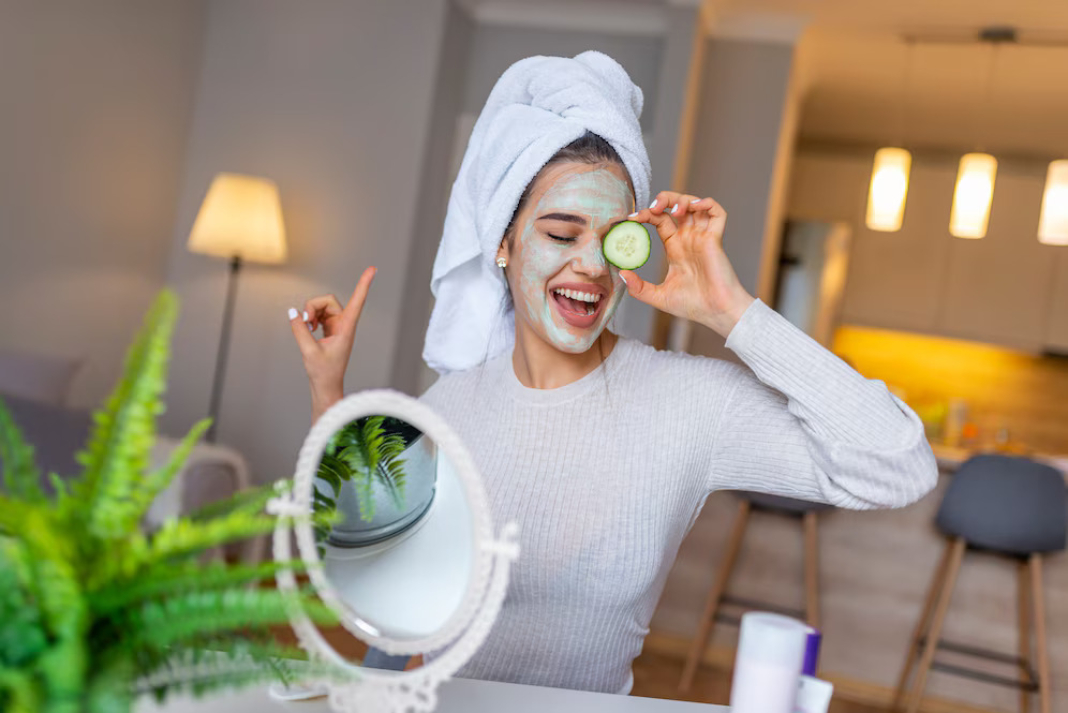
🥒 8. Cucumber Juice (Under-Eye Puffiness Relief)
Mechanism: Hydrating, rich in vitamin K and silica. Reduces under-eye swelling and brightens the skin.
Usage: Apply cold cucumber slices or juice under eyes for 10–15 minutes.
Risks: None.
Scientific Source: NCBI Review
🍃 9. Witch Hazel (Natural Astringent & Toner)
Mechanism: Contains tannins which reduce inflammation, minimize pores, and fight bacteria.
Usage: Use a cotton ball to apply after cleansing. Follow with moisturizer.
Risks: May cause dryness or irritation for sensitive skin types.
Scientific Source: Healthline Review
🍇 10. Grape Seed Oil (Collagen Boost + Elasticity)
Mechanism: Contains proanthocyanidins that boost collagen and elasticity while reducing UV damage.
Usage: Massage a few drops after serum and before sealing with another oil.
Risks: Generally safe for all skin types.
Scientific Source: PubMed Study
🌼 11. Chamomile Extract (Anti-Inflammatory + Calming)
Mechanism: Rich in apigenin, it reduces redness, irritation, and helps heal sensitive or rosacea-prone skin.
Usage: Apply chamomile tea compress or mix a few drops of extract in moisturizer.
Risks: May trigger allergies in those sensitive to ragweed.
Scientific Source: NCBI
🌰 12. Beetroot Lip Balm (Lip Softening + Natural Tint)
Mechanism: Antioxidant-rich beetroot enhances lip color and hydration naturally.
Usage: Mix beetroot powder with coconut oil and store in balm container. Apply before sleep.
Risks: None.
Scientific Source: Common cosmetic practice (no PubMed reference, safe for topical use)
🧴 13. Yogurt + Turmeric Mask (Brightening + Anti-Inflammatory)
Mechanism: Lactic acid in yogurt exfoliates gently, turmeric (curcumin) reduces pigmentation and acne.
Usage: Mix 1 tbsp yogurt with ½ tsp turmeric. Apply for 15 mins, rinse with lukewarm water.
Risks: May stain skin temporarily; patch test required.
Scientific Source: NCBI on Curcumin
🌿 14. Licorice Root Extract (Pigmentation Control)
Mechanism: Contains glabridin—a tyrosinase inhibitor that fades dark spots and melasma.
Usage: Mix 3–4 drops in aloe gel and apply as a spot treatment.
Risks: Safe but avoid overuse.
Scientific Source: NCBI
🟡 15. Jojoba Oil (Natural Skin Barrier Support)
Mechanism: Mimics natural sebum, regulates oil production and helps seal in moisture.
Usage: Apply a few drops over other products to “seal” the routine.
Risks: None—suitable even for acne-prone skin.
Scientific Source: PubMed
🌿 16. Fenugreek Paste (Anti-Aging)
Mechanism: Contains flavonoids and polyphenols that reduce wrinkles and enhance glow.
Usage: Soak, grind seeds, make a paste, apply 2x/week.
Risks: May cause redness or tingling.
Scientific Source: PubMed
🪨 17. Bentonite Clay Mask (Oil Control + Detox)
Mechanism: Absorbs toxins and sebum from pores; improves clarity and texture.
Usage: Mix with rose water, apply for 10–15 mins. Use 1–2x/week.
Risks: May over-dry sensitive skin.
Scientific Source: NCBI on Clay Benefits
🌰 18. Argan Oil (Barrier Repair + Hydration)
Mechanism: Rich in oleic and linoleic acid, argan oil supports the lipid barrier and fights oxidative damage.
Usage: Apply 2–3 drops after serum or as final layer.
Risks: Rare, usually well tolerated.
Scientific Source: NCBI
🥕 19. Carrot Seed Oil (Regeneration + Glow)
Mechanism: Contains beta-carotene and retinoid-like compounds that encourage new cell formation.
Usage: Mix with jojoba or almond oil; apply thinly overnight.
Risks: Avoid sun exposure post-use. Use only at night.
Scientific Source: NCBI
🥥 20. Coconut Milk + Aloe Gel Mask (Overnight Hydration)
Mechanism: Combines medium-chain fatty acids (from coconut) with aloe’s antioxidants for deep nourishment.
Usage: Mix equal parts and apply as a sleeping mask 2x/week.
Risks: May be too rich for oily skin types.
Scientific Source: General dermatological practice (not PubMed cited but widely used in natural skin regimens)
👩⚕️ Expert Quotes
🗣️ Dr. A. Batra, MD Dermatologist (AIIMS):
“Natural oils like rosehip and almond are clinically shown to improve barrier function and reduce fine lines when used consistently for 8+ weeks.”
Source: Indian Journal of Dermatology
🗣️ Dr. Susan Taylor, University of Pennsylvania:
“Aloe vera gel applied overnight significantly reduces post-inflammatory hyperpigmentation in people of color.”
NCBI Verified Study
🧾 Summary Table: Natural Night Skincare Remedies
| Remedy | Benefit | Use Frequency | Risk |
|---|---|---|---|
| Rosehip Oil | Anti-aging | Daily | May clog pores |
| Aloe Vera | Hydration + Repair | Daily | Rare |
| Witch Hazel | Pore-Tightening | 3x/week | May dry skin |
| Green Tea | Toning + Antioxidants | Daily | None |
| Shea Butter | Deep Moisture | Daily | Comedogenic |
| Turmeric-Yogurt | Brightening | 2x/week | Staining |
| Jojoba Oil | Sealant | Daily | None |
| Chamomile | Soothing | Daily | None |
| Carrot Seed Oil | Cell Repair | 2x/week | Photosensitivity |
| Grape Seed Oil | Elasticity | Daily | None |
🌙 Structured Natural Night Skincare Routine (Template)
| Time | Step | Product |
|---|---|---|
| 8:30 PM | Remove Makeup | Coconut oil + cotton pad |
| 8:45 PM | Cleanse | Raw honey or oatmeal |
| 9:00 PM | Tone | Witch hazel or green tea |
| 9:15 PM | Mask (2x/week) | Turmeric-yogurt / Bentonite clay |
| 9:45 PM | Apply Treatment | Aloe vera / Tea tree gel |
| 10:00 PM | Moisturize | Shea butter / Rosehip oil |
| 10:15 PM | Seal | Jojoba or argan oil |
| 10:30 PM | Eye/Lip Care | Cucumber extract / Beetroot balm |
❓ Frequently Asked Questions (FAQs)
1. How long does it take to see results from natural remedies?
⏳ Usually 4–6 weeks of consistent use. Some may notice glow and softness within days.
2. Are natural products safe for sensitive skin?
✅ Mostly, yes. But always do a patch test—especially with essential oils.
3. Can I mix multiple oils together?
Yes, blend carrier oils like almond or jojoba with actives like rosehip for synergy.
4. Do natural products expire?
Yes! Most oils last 6–12 months. Check smell/texture.
5. Is DIY skincare better than store-bought products?
Depends. DIY is safer if well-formulated, but always choose evidence-backed combinations.
6. Can men use the same routine?
Absolutely! Skin biology doesn’t differ much. Add beard oil for grooming.
7. Should I exfoliate every night?
❌ No. 2–3x a week max. Over-exfoliation can damage the skin barrier.
8. Which natural ingredient is best for acne at night?
Tea tree oil (diluted) or green tea toner.
⚠️ Disclaimer
This guide is for educational purposes. Always do a patch test and consult a dermatologist if you have severe skin conditions or allergies.