
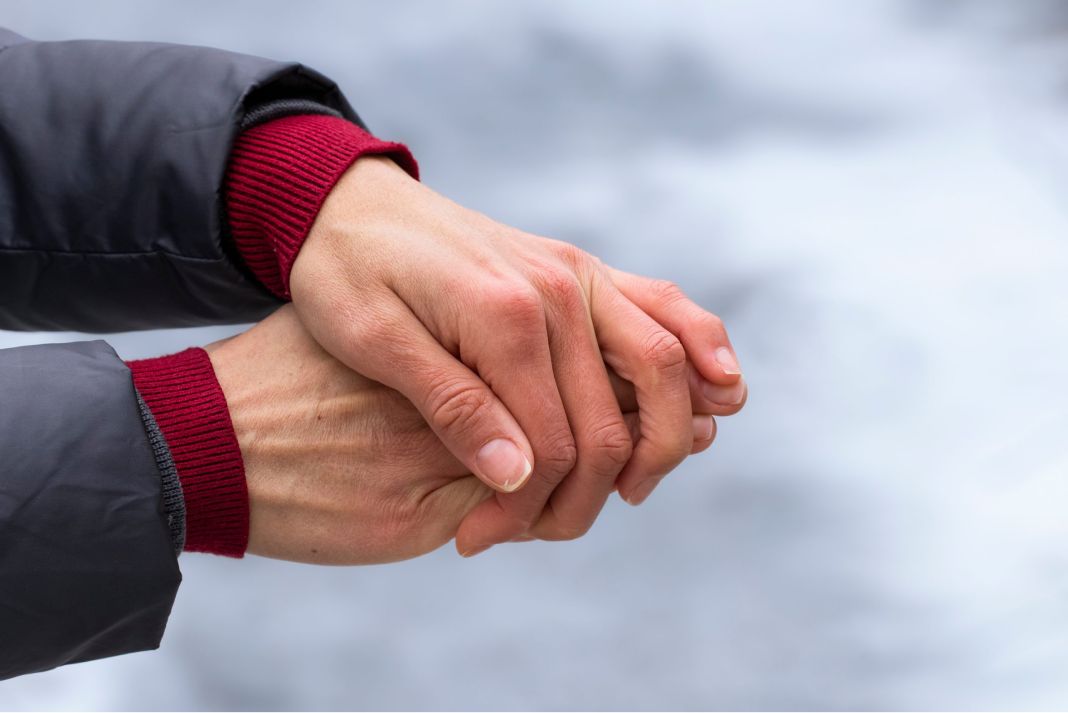
Cold hands are usually caused by reduced blood flow from cold exposure, stress, or conditions like Raynaud’s or anemia. This expert-backed guide covers 20 science-supported remedies—warm soaks, hand exercises, aerobic activity, hydration, diet, stress control, gloves/compression, and more.
🧠 Why do hands get cold? (Quick science)
Your body shunts blood to vital organs in cold/strain, narrowing tiny vessels in your fingers (vasoconstriction). Persistent cold hands can also signal underlying issues like Raynaud’s, anemia, diabetes, or peripheral arterial disease. If your hands are always cold—especially with color changes—get checked. Mayo Clinic+1
Raynaud’s: episodic, excessive vasoconstriction of finger arteries triggered by cold or stress. PMC
Iron-deficiency anemia: commonly causes cold hands and feet due to reduced oxygen delivery. nhlbi.nih.gov+1
🗺️ How to use this guide
Skim the summary table, then jump into the 20 expanded remedies (each has mechanism, step-by-step, risks, comparisons).
Use the daily routine for plug-and-play structure.
Check expert quotes and FAQs at the bottom.
🧾 Summary Table — 20 Simple, Science-Supported Remedies
| # | Remedy | 🧪 Key Mechanism | ⏱️ How Often | ⚠️ Main Risks |
|---|---|---|---|---|
| 1 | Warm hand/forearm soaks | Heat → vasodilation → ↑ skin blood flow | 10–15 min, 1–2×/day | Burn risk if too hot or neuropathy |
| 2 | Hand/arm exercises (fists, grip) | Muscle pump; ↑ shear stress → endothelial benefits | 5–10 min, 2–4×/day | Overuse/tendon irritation |
| 3 | Full-body aerobic activity | ↑ nitric oxide; ↑ arterial compliance system-wide | 30 min most days | Cardiac issues: get clearance |
| 4 | Circulation-friendly diet (beets, garlic, leafy greens, fish) | Nitrates → NO; polyphenols; omega-3 | Daily | Allergies; supplement interactions |
| 5 | Hydration | Maintains blood volume; ↓ viscosity | 6–8 glasses/day (individualize) | Fluid limits in HF/CKD |
| 6 | Quit smoking/nicotine | Avoids vasoconstriction & endothelial injury | Start now | Withdrawal; needs support |
| 7 | Warm–cool contrast (gentle) | Trains vascular reactivity | 2–3 cycles, 3–5×/wk | Avoid extremes in PAD/neuropathy |
| 8 | Thermal gloves + ambient warmth | Prevents cold-induced vasoconstriction | As needed | Overheating if neuropathy |
| 9 | Stress reduction (breathing, yoga) | ↓ sympathetic tone → less vasoconstriction | 10–15 min/day | Modify poses if joint issues |
| 10 | Elevation + micro-moves during sitting | ↑ venous return; prevents pooling | 2–3 min every 30–60 min | Limit if lymphedema protocol differs |
| 11 | Light compression gloves | External support to micro-flow | As needed | Too tight can worsen flow |
| 12 | Warm fluids & herbal teas (ginger, etc.) | Mild vasodilatory phytochemicals; warmth | 1–2 cups/day | GI upset; med interactions |
| 13 | Hand/forearm massage | Local flow, lymph return, muscle relaxation | 5 min, 1–2×/day | Skin fragility—gentle pressure |
| 14 | Cold-weather planning & layering | Prevents reflex vasoconstriction | Seasonal | — |
| 15 | Lower salt & saturated fat | ↓ vascular stiffness; better overall CV health | Ongoing | Electrolyte issues if extreme |
| 16 | Weight management | ↓ peripheral resistance; better microflow | Ongoing | Avoid crash dieting |
| 17 | Alcohol moderation | Excess worsens BP/autonomic tone | Follow local guidelines | Interactions; sleep disruption |
| 18 | Sleep + break up sitting | Sleep loss ↑ sympathetic tone | 7–9 h sleep; stand hourly | See clinician for sleep disorders |
| 19 | Safe hand warmers/heating pads | Local vasodilation on demand | As needed | Burn risk if insensate |
| 20 | Medical check for causes (Raynaud’s, anemia, PAD) | Treat root cause for sustained results | As indicated | Don’t delay evaluation |
Why we trust these levers: Authoritative sources note that cold hands often reflect vasospasm or systemic issues; aerobic activity, warmth, hydration, smoking cessation, and risk-factor control improve vascular function. Mayo Clinic+2British Heart Foundation+2
🧩 20 Remedies — Deep Dive (Mechanism • How-to • Risks • Comparisons)
1) ♨️ Warm Hand/Forearm Soaks
Mechanism: Heat causes vasodilation of arterioles, increasing skin blood flow and temperature. Controlled studies show warm baths and infrared heat increase cutaneous perfusion. PMC+1
How-to: Basin at 38–40 °C; soak hands/forearms 10–15 min, 1–2×/day. Dry, moisturize, and keep warm (gloves).
Risks: Burns if too hot; extra caution with neuropathy or PAD.
Compare: Local warm soak is safer/easier than whole-body sauna; more uniform than heat packs. (Heat > cold for blood-flow goals.) sciencedirect.com
2) ✊ Hand & Wrist Exercise Set
Mechanism: Light contractions drive the muscle pump and shear stress on endothelium → improved vascular function. Handgrip-based studies show endothelial effects; one trial found acute aerobic sessions outperform single isometric handgrip for endothelial improvement. PMC+1
How-to:
Make a fist 2 s → open wide 2 s × 15 reps.
Squeeze a soft ball 5 s on/5 s off × 10–12 reps/hand.
Wrist circles × 10 each way. Repeat 2–4×/day.
Risks: Don’t flare tendonitis/carpal tunnel.
Compare: Great when sitting; combine with #3 for systemic gains.
3) 🚶♀️ Aerobic Activity (Walking, Cycling, Swimming)
Mechanism: Aerobic exercise boosts nitric oxide (NO), improves arterial compliance and endothelial function, benefiting extremity perfusion. Cleveland Clinic
How-to: 30 min moderate intensity on most days; warm-up 5 min; cool-down 5 min.
Risks: Get clearance if cardiac/respiratory disease.
Compare: Outperforms brief isometric handgrip for acute endothelial benefits in one study; both can coexist. BioMed Central
4) 🥗 Circulation-Friendly Diet (Beets, Leafy Greens, Garlic, Fish)
Mechanism: Dietary nitrates from beet/greens convert to NO → vasodilation; omega-3s & polyphenols support endothelial health. Reviews show nitrate → nitrite → NO with potential to increase blood flow; newer data in older adults shows metabolism changes may not always translate to BP effects—so think “adjunct.” PMC+1
How-to: Daily veggies (esp. leafy greens, beetroot), garlic in cooking, and 2+ fish meals/week.
Risks: Interactions with anticoagulants; kidney stone tendencies (oxalates) → moderate beet intake.
Compare: Whole-foods first; supplements only with medical guidance.
5) 💧 Hydration
Mechanism: Adequate fluids maintain blood volume and reduce viscosity, aiding flow (half your blood is water). British Heart Foundation
How-to: Aim 6–8 glasses/day; front-load mornings; more in heat/exercise.
Risks: Fluid limits for heart/kidney disease—ask your clinician.
Compare: Low-effort force multiplier for other habits.
6) 🚭 Nicotine & Smoking Cessation
Mechanism: Nicotine causes vasoconstriction and damages endothelium, worsening peripheral flow. British Heart Foundation
How-to: Counseling + NRT/Rx + follow-ups.
Risks: Withdrawal; medication side effects—medical guidance helps.
Compare: No single remedy offsets ongoing smoking; quitting is foundational.
7) 🌡️ Gentle Contrast (Warm → Cool → Warm)
Mechanism: Alternating temperatures lightly “trains” vascular reactivity; heat phases promote blood flow. sciencedirect.com
How-to: 5–7 min warm (≈38–40 °C), 30–60 s cool (≈20–22 °C), repeat 2–3 cycles, finish warm, 3–5×/wk.
Risks: Avoid extremes in PAD/neuropathy; watch sensation.
Compare: Warm-only is simpler/safe; contrast can help if tolerated.
8) 🧤 Thermal Gloves & Ambient Warmth
Mechanism: Prevents cold-triggered vasoconstriction (a key driver of cold hands). Mayo Clinic
How-to: Wind-blocking gloves outdoors; thin liners in A/C; cover wrists; pre-warm car steering wheel.
Risks: Overheating/maceration—air hands periodically.
Compare: Preventive complement to #1/#19.
9) 🧘 Stress Reduction (Breathing, Mindful Movement)
Mechanism: Calming the sympathetic “fight/flight” response reduces peripheral vasoconstriction. Lifestyle lists include yoga/mindfulness for circulation support. Medical News Today
How-to: 5–10 min 4-7-8 breathing or box breathing daily; gentle yoga/stretch in evenings.
Risks: Generally safe; modify poses for joint issues.
Compare: Pairs well with all physical measures—cheap and effective.
10) 🙌 Elevation + Micro-Moves While Sitting
Mechanism: Helps venous return and stops pooling; frequent movement maintains microcirculation. (BHF emphasizes regular movement/hydration for better flow.) British Heart Foundation+1
How-to: Every 30–60 min, raise forearms above heart 2–3 min, open/close fists, wrist circles.
Risks: If lymphedema, follow specialist advice.
Compare: Complements #3 when desk-bound.
11) 🧦 Light Compression Gloves
Mechanism: Gentle external pressure can aid micro-flow and venous return (well-established for legs; hands use low-grade compression). British Heart Foundation
How-to: Choose light compression; wear in cold or during long inactivity; remove if numbness/tingling.
Risks: Wrong size can constrict; monitor skin.
Compare: Not a substitute for movement; a supportive add-on.
12) ☕ Warm Fluids / Herbal Teas (Ginger, etc.)
Mechanism: Warmth + phytochemicals with mild vasodilatory/anti-inflammatory actions; often listed among circulation-friendly choices. Medical News Today
How-to: 1–2 cups/day (ginger, turmeric, or a pinch of cayenne in soup).
Risks: GI irritation; interactions (anticoagulants).
Compare: Food-first approach vs. concentrated supplements.
13) ✋ Self-Massage (Hands & Forearms)
Mechanism: Mechanical stimulation increases local blood flow and lymphatic return; reduces muscle tension. Medical News Today
How-to: With lotion, stroke from wrist → elbow 10–15×; thumb circles in palm and finger bases; 5 min daily.
Risks: Avoid if skin ulcer/infection; use gentle pressure in arthritis.
Compare: Good quick fix during work breaks; pair with #2.
14) 🧥 Cold-Weather Planning & Layering
Mechanism: Avoids rapid cold exposure, a classic trigger of digital vasospasm/“white fingers.” Mayo Clinic
How-to: Layer early; glove before outdoors; avoid cold water without protective gloves.
Risks: None major (don’t overheat).
Compare: Preventive rather than corrective—high leverage in winter.
15) 🧂➖ Lower Salt & Saturated Fat
Mechanism: Lowering these improves vascular stiffness and BP, supporting overall circulation. Cleveland Clinic
How-to: Read labels; cook with herbs/citrus instead of salt; choose olive oil, nuts, fish; limit processed foods.
Risks: Very low sodium may not suit all—personalize with clinician.
Compare: Pairs with #4 for a heart-healthy pattern.
16) ⚖️ Weight Management
Mechanism: Excess adiposity increases peripheral resistance and impairs microvascular function; activity improves symptoms and risk profile. British Heart Foundation
How-to: 150 min/wk moderate cardio + 2 strength sessions; track waist/weight monthly.
Risks: Avoid crash diets; seek support if disordered eating history.
Compare: A keystone for long-term vascular health.
17) 🍷 Alcohol Moderation
Mechanism: Excess alcohol worsens BP and autonomic tone; sleep suffers → more sympathetic drive. (Lifestyle guidance includes limiting alcohol for circulatory health.) Medical News Today
How-to: Follow local low-risk guidelines; hydrate; avoid binges.
Risks: Interactions; liver/heart issues require stricter limits.
Compare: Often overlooked “easy win.”
18) 😴 Sleep Well & Break Up Sitting
Mechanism: Sleep loss boosts sympathetic output (vasoconstriction) and harms endothelial function; prolonged sitting reduces muscle pump. British Heart Foundation
How-to: 7–9 h sleep; dim screens; stand hourly for 1–2 min with hand motions.
Risks: See a clinician for insomnia/OSA.
Compare: Complements #3; “you can’t out-exercise all-day sitting.”
19) 🔥 Safe Hand Warmers / Heating Pads
Mechanism: Local heat raises tissue temperature and dilates vessels. sciencedirect.com
How-to: Use commercial warmers or low-setting pads 15–30 min; never on numb skin; keep <~40 °C.
Risks: Burns with neuropathy or if used during sleep.
Compare: Portable version of #1; excellent in outdoor cold.
20) 🩺 See a Clinician for Root Causes (Raynaud’s, Anemia, PAD)
Mechanism: Treating the underlying disorder is often decisive. Raynaud’s = episodic vasospasm; anemia reduces oxygen delivery; PAD limits flow. Management (e.g., calcium-channel blockers for Raynaud’s, iron for IDA) can transform symptoms. PMC+1
How-to: Seek care if color changes (white/blue), ulcers, pain/numbness, or persistent cold hands without obvious cold exposure.
Risks: Delayed evaluation can risk tissue damage.
Compare: Home remedies help, but medical therapy may be essential.
🗓️ A Practical, Structured Routine (Copy-Paste Ready)
Morning (10–20 min)
☕ Warm drink (ginger/lemon) + 1 glass water (#12, #5)
✊ Hand set (fists/grip/wrist circles, 5–7 min) (#2)
🧤 Gloves if chilly; keep wrists covered (#8)
🚶 30-min walk or cycle, or later in day (#3)
Workday Micro-breaks
Every 30–60 min: raise forearms, open/close fists, wrist circles 1–2 min (#10)
💧 Sip water regularly (#5)
Evening (15–25 min)
♨️ Warm hand soak 10–15 min (#1) → moisturize → gloves if needed (#8/#11)
🧘 10 min breathing or gentle yoga (#9)
🥗 Dinner: greens + garlic + healthy fats; easy on salt (#4/#15)
Weekly Add-Ons
🌡️ Contrast session 3–5×/wk (#7)
🏊 Longer aerobic session 45 min 1–2×/wk (#3)
📒 Track symptoms (color, tingling, warmth). If no progress in 4–6 weeks, see a clinician (#20)
🧑⚕️ Expert Quotes (with sources)
“Feeling like your hands are always cold may be normal, but always having cold hands could be a warning sign of a health problem, especially if the skin changes color.” — Mayo Clinic Mayo Clinic
“Poor circulation means your cells aren’t getting as much oxygen as they need… symptoms often affect hands and fingers.” — Cleveland Clinic Cleveland Clinic
“Raynaud’s phenomenon is a peripheral vasoconstrictive response to cold or stress.” — StatPearls/NCBI NCBI
“Around half of your blood is made of water, so staying hydrated is key.” — British Heart Foundation British Heart Foundation
“Nitrate → nitrite → nitric oxide … causes vasodilation and increases blood flow.” — Review of beetroot nitrate physiology PMC
❓ FAQs (SEO-friendly)
1) How long do home remedies take to warm my hands?
Many people notice improvements within days to weeks with consistent warming, movement, and hydration. If there’s an underlying disorder, you may need weeks–months plus medical care. See a clinician if no change in 4–6 weeks. Mayo Clinic
2) Are natural remedies as effective as medications?
They’re very effective for mild issues and as adjuncts. But for Raynaud’s, anemia, or PAD, medications and targeted therapy may be needed for best results. PMC+1
3) Heat or cold—what’s better to improve circulation?
For perfusion, heat wins (vasodilation). Cold is for acute injuries; it constricts vessels and can worsen cold hands. sciencedirect.com
4) Which diet tweaks help most?
Include leafy greens, beetroot, garlic, oily fish, nuts, olive oil; reduce salt and saturated fats. These patterns support NO bioavailability and arterial health. PMC+1
5) Is coffee okay?
Moderation is fine for most; watch if caffeine worsens anxiety or Raynaud’s. Prioritize water intake for circulation. (General lifestyle guidance.) British Heart Foundation
6) When should I see a doctor?
If fingers turn white/blue, you develop ulcers, persistent numbness/pain, or cold hands without cold exposure—get evaluated for Raynaud’s, anemia, diabetes, or PAD. Mayo Clinic
7) Do compression gloves really help?
Light compression can support comfort and micro-flow, especially in cold. Fit matters; they’re adjuncts to movement and warmth. British Heart Foundation
8) Can beetroot juice help?
Nitrate-rich foods can increase NO and may aid blood flow, though not all trials show vascular changes in every group—think of beets as a helpful adjunct to broader lifestyle. PMC+1
⚠️ Disclaimer
Medical Disclaimer:
This article is for educational purposes only and is not intended to diagnose, treat, or replace professional medical advice.
If you experience persistent cold hands, bluish fingers, numbness, or pain, or if you have conditions such as Raynaud’s phenomenon, anemia, diabetes, or peripheral arterial disease (PAD), consult a qualified healthcare provider.
Always test temperature-based remedies carefully to prevent burns or frostbite.