
🌿 Why Rose Water Deserves a Place in Your Hair Routine
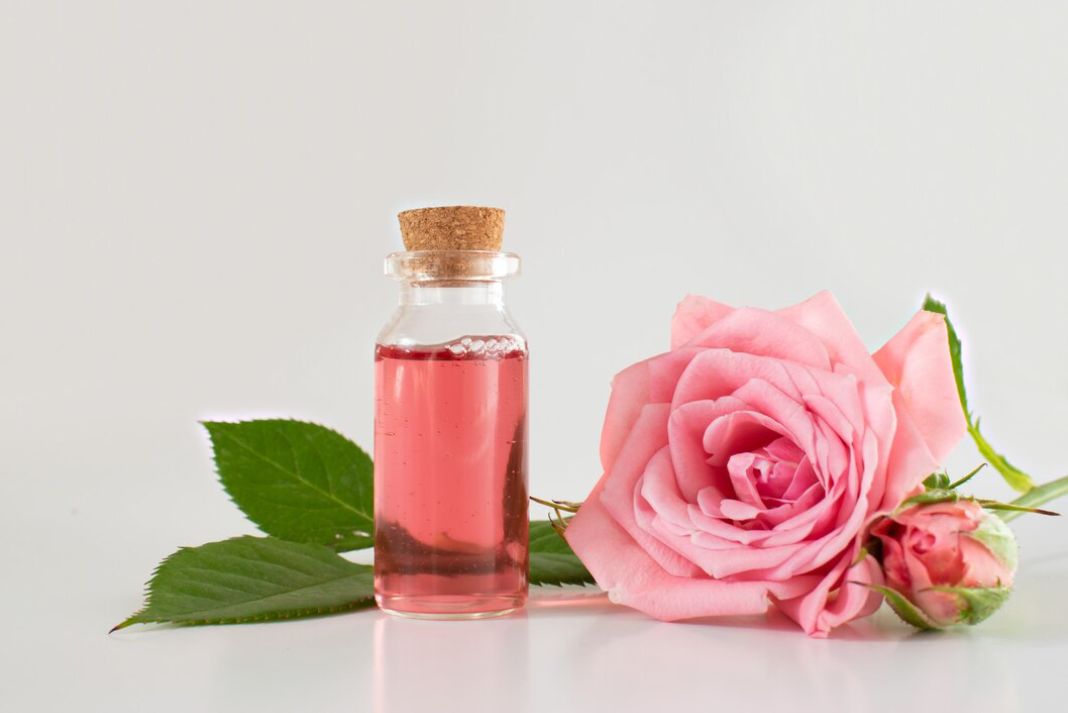
Rose water, traditionally celebrated for its soothing properties in skincare, is now gaining traction in the haircare world for very real reasons. Derived by steeping rose petals in distilled water or collecting the steam from rose oil production, this fragrant elixir is rich in antioxidants, flavonoids, and anti-inflammatory compounds. The result? A gentle, multipurpose hair tonic that addresses shine, smoothness, and scalp relief—without the toxicity of harsh chemicals.
Key Benefits of Rose Water for Hair:
- Promotes smoother, shinier strands ✨
- Helps balance scalp pH
- Soothes irritation, itching, and inflammation
- Mild astringent to control excess oil
- Hydrating without being heavy
“The mildly acidic pH of rose water (typically 4.5 to 5.5) is ideal for maintaining scalp health and sealing the cuticle for smoother strands.” — Dr. Sonali Mhatre, Trichologist
📊 Summary Table: Benefits of Rose Water for Hair
| Benefit | Mechanism | Usage | Frequency | Risks |
|---|---|---|---|---|
| Shine & Luster | Closes cuticles; reflects more light | Final rinse or spray | 2–3 times/week | Low risk if diluted |
| Scalp Soothing | Anti-inflammatory effect on skin tissue | Massage or spray on scalp | Daily or as needed | Patch test for allergies |
| Oil Control | Mild astringent action on sebaceous glands | Spray on roots or use in scalp toner | Alternate days | Dryness if overused |
| Frizz Control | pH-balancing & light hydration | Leave-in spritz | Daily | None with pure rose water |
| Dandruff Reduction | Fights scalp fungus with anti-microbial compounds | With tea tree or neem oil mask | Weekly | Use therapeutic blend |
| Hair Growth Support | Improves blood circulation + antioxidant content | Scalp massage tonic | 3x/week | None if diluted |
🌿 Scientifically-Backed Remedies Using Rose Water
1. Rose Water Final Rinse for Shine
- Mechanism: The low pH seals hair cuticles, increasing light reflection and reducing frizz.
- How to Use:
- Mix 1/2 cup rose water with 1 cup cold distilled water.
- After shampoo and conditioner, pour as final rinse.
- Do not rinse out; let it air dry.
- Frequency: 2–3x/week
- Risks: None
- Scientific Support: Rose water has a pH of 4.5–5.5, ideal for sealing cuticles (NCBI)
2. Scalp Soothing Rose Water Toner
- Mechanism: Flavonoids and anti-inflammatory compounds reduce itch and redness.
- How to Use:
- Soak a cotton pad or use spray bottle.
- Apply directly on irritated scalp.
- Gently massage and leave on.
- Frequency: Daily
- Risks: Patch test for sensitive skin
- Scientific Support: Rose extracts reduce erythema and burning (PubMed)
3. Oil-Control Scalp Spritz
- Mechanism: Natural astringent effect helps balance sebum.
- How to Use:
- Mix 1/2 cup rose water + 1 tsp witch hazel.
- Spray roots, avoid overuse.
- Frequency: Alternate days
- Risks: May cause dryness if used excessively
4. Frizz-Control Leave-In Spray
- Mechanism: Hydrating while pH-balancing = smooth, non-greasy texture.
- How to Use:
- Combine 1/2 cup rose water + 1 tsp aloe vera gel.
- Spritz after towel-drying hair.
- Frequency: Daily
- Risks: None
5. Anti-Dandruff Herbal Rose Mask
- Mechanism: Antimicrobial and soothing.
- How to Use:
- Mix 2 tbsp rose water + 1 tbsp neem oil + 1 tbsp multani mitti.
- Apply to scalp; wash after 30 mins.
- Frequency: Once/week
- Risks: Do not exceed 30 mins
6. Rose Water Hair Perfume
- Mechanism: Natural scent + light hydration
- How to Use:
- Add 2–3 drops lavender oil to 1/2 cup rose water.
- Store in a spritzer bottle.
- Frequency: As needed
- Risks: None with skin-safe oils
7. Rose Water + Glycerin Hydration Spray
- Mechanism: Glycerin attracts moisture, rose water soothes.
- How to Use:
- Mix 1 tsp vegetable glycerin + 1/2 cup rose water.
- Mist hair lengths and ends.
- Frequency: 2–3x/week
- Risks: Glycerin can attract too much moisture in humid climates
8. Overnight Hair Mask (Coconut Milk + Rose Water)
- Mechanism: Repairs protein loss + calms inflammation.
- How to Use:
- Mix 1/4 cup coconut milk + 1/4 cup rose water.
- Apply, cover with shower cap, leave overnight.
- Frequency: Weekly
- Risks: Rinse thoroughly to avoid buildup
🌐 Expert Quotes & Research-Based Insights
“Rose water has mild antimicrobial effects which make it a supportive remedy for seborrheic dermatitis and dandruff” — Dr. Farah Naz, Dermatologist, AIIMS Delhi
“The skin on the scalp is sensitive to pH fluctuations. Rose water’s balancing effect can prevent common concerns like itchiness and excessive dryness.” — Dr. Marc Glashofer, Board-Certified Dermatologist (via PubMed Review)
⏰ Structured Rose Water Haircare Routine
| Step | Product / Remedy | Time of Day | Frequency |
| Cleanse | Mild shampoo | Morning | 2x/week |
| Scalp Soothing | Rose water toner | Morning/Night | Daily |
| Frizz Control | Rose-aloe spritz | Post-shower | Daily |
| Shine Booster | Final rinse | After shampoo | 2x/week |
| Deep Repair | Coconut milk + rose water mask | Night | Weekly |
| Perfume Touch-Up | Rose-lavender hair perfume | Daytime | As needed |
❓ FAQs
Q1. Can rose water regrow lost hair? A: Rose water supports scalp health and circulation, but it does not directly stimulate hair follicles like minoxidil.
Q2. Is rose water safe for color-treated hair? A: Yes, it’s gentle and can even reduce frizz common in treated hair.
Q3. Can I leave rose water in hair overnight? A: Yes, especially when combined with coconut milk or aloe. Avoid essential oils for overnight use.
Q4. Which rose water is best? A: Choose 100% pure steam-distilled rose water. Avoid versions with alcohol or artificial fragrance.
Q5. Can I make rose water at home? A: Yes. Simmer organic rose petals in distilled water, strain, and store in a glass bottle for up to 7 days.
Q6. How soon can I expect results? A: Some effects like reduced frizz are immediate. For scalp relief and dandruff, allow 2–4 weeks.
Q7. Can men use rose water for hair too? A: Absolutely. Its scalp benefits are universal and not gender-specific.
⚠️ Disclaimer
This guide is intended for educational purposes. Always consult your dermatologist before introducing new topical ingredients, especially if you have a sensitive scalp or pre-existing scalp conditions.