
Hair loss affects millions worldwide, whether from genetics, hormones, or stress. Among trending natural solutions, rosemary oil has gained popularity, with some trials showing comparable results to 2% minoxidil. But is it a legit miracle or overhyped myth? This guide dives deeply into rosemary oil, compares it with other proven remedies, and provides an evidence-based routine for regrowth success.
1. Rosemary Oil Deep Dive
A) History & Traditional Use
Used since ancient times in Mediterranean medicine, rosemary (Rosmarinus officinalis) has long been associated with improved memory and scalp healthnypost.com+4thesun.co.uk+4verywellhealth.com+4pmc.ncbi.nlm.nih.gov.
B) Mechanisms of Action
Improved scalp blood flow (vasodilation): Topical application may increase circulation to follicles.
Anti-inflammatory & antioxidant: Rich in carnosic acid; reduces scalp inflammation and oxidative stresspmc.ncbi.nlm.nih.gov+1verywellhealth.com+1.
5α-Reductase inhibition: Compounds in rosemary may block DHT formation similarly to some drugsaventusclinic.com+4xyonhealth.com+4instyle.com+4.
C) Clinical Evidence
Panahi et al. (2015): 6-month RCT with 100 AGA patients, comparing 1 mL rosemary oil vs. 2% minoxidil twice daily. Both showed significant hair count increases by month 6, with no difference; scalp itching was lower in rosemary usersnypost.com+9pubmed.ncbi.nlm.nih.gov+9xyonhealth.com+9.
D) Comparison: Rosemary Oil vs. Minoxidil
| Feature | 2% Minoxidil | Rosemary Oil |
|---|---|---|
| Hair count gain (6mo) | Significant ↑ | Comparable ↑pubmed.ncbi.nlm.nih.gov+1static1.squarespace.com+1 |
| Scalp side effects | Itching, dryness | Less itching |
| Mechanism | Vasodilation, K⁺‑channels, prostaglandin E₂, anagen shift | Vasodilation, anti-5αR, anti-inflammatory |
| FDA Status | Approved for AGA | Not FDA-approved |
| Cost | Low (OTC) | Affordable, essential-oil grade |
E) Usage Instructions
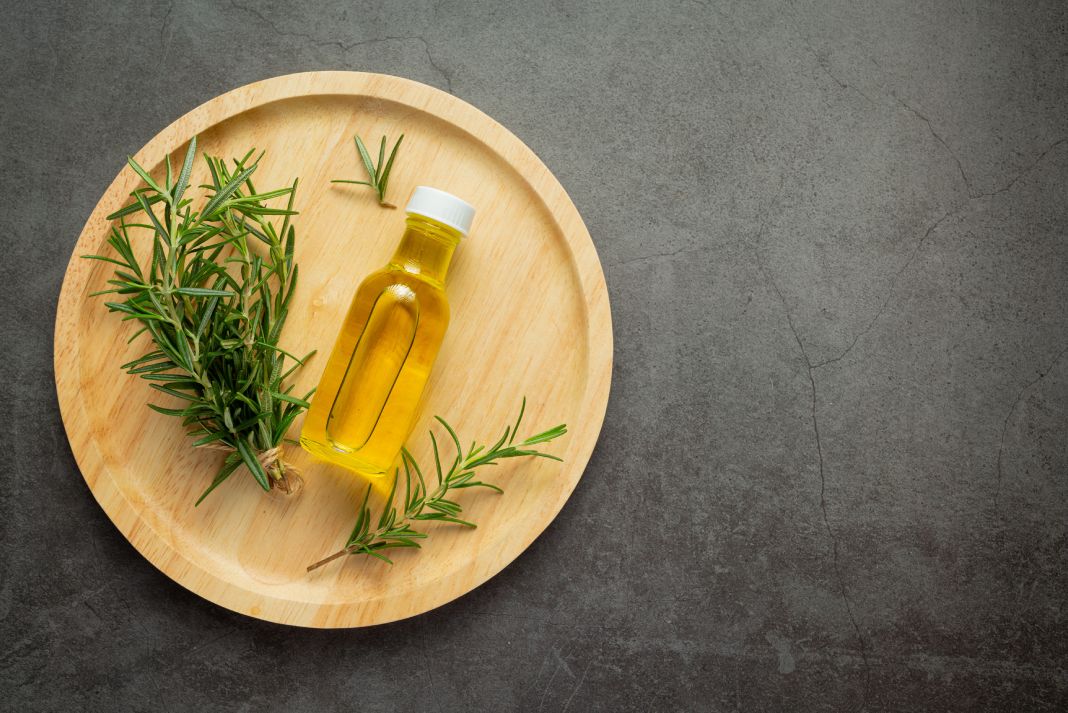
Use 100% pure rosemary essential oil.
Mix: 5 drops in 10 mL carrier (jojoba, coconut).
Apply topically to scalp, massaging gently.
Leave on 2–4 hours or overnight.
Use 2–3×/week for acute regrowth; daily for maintenance.
After 3 months, assess results and reduce to maintenance routine.
F) Risks & Side Effects
Skin irritation: patch test on inner elbow 48 hrs prior.
Avoid in pregnancy/breastfeeding unless advised.
Interacts with dermatological medications; consult dermatologist.
Discontinue if eczema or contact dermatitis develops.
2. Nineteen Other Scientifically Backed Remedies
Minoxidil (Topical/Oral)
Mechanism: Vasodilator; opens potassium channels, boosts prostaglandin E₂, shifts follicles to anagen phaseresearchgate.net+6verywellhealth.com+6thesun.co.uk+6scirp.orginstyle.com+1thesun.co.uk+1en.wikipedia.org+1hims.com+1.
Usage: 5% foam or 2% solution—apply twice daily; oral 0.25–5 mg daily (off-label).
Risks: Scalp irritation, hypertrichosis (oral), shedding, and reversible with ongoing use.
Comparison: FDA gold standard; outperforms rosemary in most studies.
Finasteride (Oral/Topical)
Mechanism: Inhibits 5α-reductase II/III, reducing DHT by ~70%pmc.ncbi.nlm.nih.gov+7en.wikipedia.org+7mdpi.com+7.
Usage: Oral 1 mg/day; topical variants exist.
Risks: Sexual side effects (libido/erection), depression; rare persistence post-use.
Comparison: More potent than natural inhibitors like pumpkin seed oil; first-line for men.
Pumpkin Seed Oil (Oral/Topical)
Mechanism: Inhibits DHT via 5α-reductase, plus essential fatty acids and antioxidantsperfecthairhealth.com+1en.wikipedia.org+1instyle.com+3pmc.ncbi.nlm.nih.gov+3perfecthairhealth.com+3.
Usage: 400 mg capsules daily or apply 5 mL topically 2–3×/week.
Risks: Mild scalp redness; allergen risk for pumpkin-sensitive individuals.
Evidence: 24-week RCT showed ~40% increase in hair count vs. placeboresearchgate.net+4pubmed.ncbi.nlm.nih.gov+4xyonhealth.com+4.
Saw Palmetto (Serenoa repens)
Mechanism: 5α-reductase inhibitor; blocks DHT binding.
Usage: 320 mg extract daily (standardized).
Risks: Mild digestive upset.
Evidence: Comparable effect when combined with minoxidil in small trialresearchgate.net+15gavinpublishers.com+15nypost.com+15.
Caffeine (Topical)
Mechanism: Prolongs anagen phase, stimulates follicle proliferation.
Usage: Use caffeine shampoos (2%) or tinctures daily.
Risks: Scalp sensitivity.
Evidence: In vitro stimulatory effects; small clinical benefits noted.
Onion Juice
Mechanism: Rich in sulfur and antioxidants; promotes keratin production.
Usage: Apply fresh juice 1× daily for 2 weeks, rinse after 20 min.
Risks: Strong odor; possible irritation.
Evidence: Small trial showed regrowth in 86% of alopecia areata patients.
Peppermint Oil
Mechanism: Vasodilation via menthol; anti-inflammatory.
Usage: 2–3 drops in carrier oil, massage weekly.
Risks: Skin irritation if undiluted.
Evidence: Mouse study showed increased follicle depth/density.
Aloe Vera
Mechanism: Anti-inflammatory, proteolytic enzymes; soothes scalp.
Usage: Gel 2–3×/week after shampoo.
Risks: Rare allergy.
Evidence: Multiple in vitro/animal studies; few human RCTs.
Jojoba Oil
Mechanism: Mimics sebum; moisturizes follicles.
Usage: Apply 5 mL on scalp 2×/week; suitable for overnight use.
Risks: Generally safe.
Evidence: Anecdotal; lacks RCTs.
Coconut Oil
Mechanism: Penetrates hair shaft, reduces protein loss.
Usage: Pre-shampoo mask 1×/week for 20 min.
Risks: May build up.
Evidence: Improves hair shaft integrity; not proven for regrowth.
Biotin (Vitamin B7)
Mechanism: Cofactor in keratin structure.
Usage: 2.5–5 mg/day oral supplement.
Risks: Rare acne; no known harm.
Evidence: Effective only in deficiency; no benefit in normal patients.
Zinc
Mechanism: Required for DNA replication and repair in follicles.
Usage: 15–30 mg/day; take with food.
Risks: Nausea, copper deficiency.
Evidence: Low zinc linked to telogen effluvium; supplementation helps deficiency.
Iron
Mechanism: Iron supports hemoglobin/O₂ delivery to follicles.
Usage: 14–30 mg/day; test ferritin.
Risks: GI upset, constipation.
Evidence: Iron deficiency anemia correlates with thinning; repletion can improve regrowth.
Red Light Therapy (LLLT)
Mechanism: Boosts ATP in mitochondria, reduces inflammation.
Usage: 10–20 min sessions 3×/week using FDA-cleared device.
Risks: Minimal; safe.
Evidence: Meta-analyses support regrowth in AGA.
Microneedling
Mechanism: Increases collagen, growth factors, may enhance topical absorption.
Usage: 0.5–1 mm roller monthly; combine with minoxidil.
Risks: Mild bleeding/infection risk; sterilization crucial.
Evidence: RCTs show clinically significant regrowth when combined with minoxidil.
Platelet‑Rich Plasma (PRP)
Mechanism: Growth factors stimulate stem cells, vascularization.
Usage: 3 sessions, monthly injections into scalp.
Risks: Mild pain, infection risk.
Evidence: RCTs demonstrate increased hair density after 3–6 months.
Ketoconazole Shampoo (2%)
Mechanism: Anti-fungal, anti-inflammatory, may reduce DHT.
Usage: 2×/week, leave 2–3 minutes before rinsing.
Risks: Dry scalp.
Evidence: RCTs vs minoxidil show modest hair count improvements; often adjunct.
Dutasteride (Oral/Topical)
Mechanism: 5α-reductase I/II inhibitor; more effective than finasteride.
Usage: Oral 0.5 mg/day (off-label in many countries).
Risks: Sexual dysfunction, teratogenic.
Evidence: Up to 25% greater hair regrowth than finasteride.
Redensyl (Plant Extract)
Mechanism: Targets stem cells (DP cells).
Usage: Apply serum daily.
Risks: Minimal patch-test advisable.
Evidence: Small brand-funded studies; independent clinical data limited but promising.
Procyanidin B2 (Apple Extract)
Mechanism: Stimulates anagen induction via cell cycle regulation.
Usage: Found topically in shampoos and serums.
Risks: Minimal.
Evidence: RCTs report ~20% increase in hair count over 6 months.
3. Expert Quotes
“Rosemary oil was as effective as 2% minoxidil in a 2015 RCT—with less scalp irritation.”
— Panahi et al., Skinmed 2015 xyonhealth.com+1hims.com+1verywellhealth.comscirp.org+13pubmed.ncbi.nlm.nih.gov+13forhers.com+13perfecthairhealth.comgavinpublishers.com+1static1.squarespace.com+1en.wikipedia.org
“Pumpkin seed oil’s anti-inflammatory and antioxidant properties support scalp health and may inhibit DHT.”
— Trichologist Penny James via InStyle instyle.com+1thesun.co.uk+1
“Minoxidil remains the only FDA-approved topical for androgenetic alopecia, with robust data supporting its long-term safety.”
— American Journal of Clinical Dermatology, 2014 healthline.com+2self.com+2pubmed.ncbi.nlm.nih.gov+2en.wikipedia.org
4. Routine & Summary Tables
A) Weekly Routine Example
| Day | Morning | Evening |
|---|---|---|
| Mon | Minoxidil 5% | Rosemary oil massage |
| Tue | Ketoconazole wash | Leave-on aloe vera |
| Wed | LLLT 20 min | Pumpkin seed oil massage |
| Thu | Minoxidil 5% | Redensyl serum |
| Fri | Microneedling (evening) | Ketoconazole shampoo |
| Sat | PRP session* | Rest scalp |
| Sun | Coconut pre-shampoo | Oil blend (jojoba + peppermint) |
*Optional depending on budget/doctor’s plan.
B) Efficacy & Safety Summary
| Remedy | Evidence | Onset Time | Safety Issues |
|---|---|---|---|
| Rosemary oil | 1 RCT vs minoxidil | 4–6 mo | Mild irritation |
| Minoxidil | Multiple RCTs; FDA-approved | 3–6 mo | Dryness, shedding |
| Finasteride | RCTs; FDA-approved | 3 mo | Sexual side effects |
| Pumpkin seed oil | 1 RCT; pilot studies | 4–6 mo | Scalp redness |
| LLLT | Meta-analysis | 4–6 mo | None serious |
| PRP | Multiple RCTs | 3–6 mo post 3 sessions | Mild pain/infection |
| Microneedling + minoxidil | RCT evidence | 3–4 mo | Bleeding/infection |
| Ketoconazole | RCT adjunct | 2–4 mo | Dry scalp |
| Others | Mixed evidence | Varies | Generally low risk |
5. FAQs
Q1: How long until home remedies show results?
A: Most natural remedies like rosemary oil, pumpkin seed oil, and microneedling take 3–6 months to show visible changes, matching minoxidil timelines.
Q2: Are natural treatments as effective as prescription ones?
A: Rosemary oil may match 2% minoxidil in efficacy, but dug treatments like minoxidil and finasteride have stronger data and FDA approval.
Q3: Can I combine rosemary oil with minoxidil?
Yes—apply minoxidil first, wait 4–6 hours, then use rosemary oil. No major interactions reportedself.com+1nypost.com+1aventusclinic.com+12onlinelibrary.wiley.com+12researchgate.net+12pmc.ncbi.nlm.nih.gov+11onlinelibrary.wiley.com+11sciencedirect.com+11pmc.ncbi.nlm.nih.gov+13xyonhealth.com+13static1.squarespace.com+13verywellhealth.com+3en.wikipedia.org+3gavinpublishers.com+3perfecthairhealth.comforhers.com+1nypost.com+1.
Q4: Are these remedies safe for women?
Topical minoxidil is FDA-approved for women. Finasteride typically isn’t. Most natural oils (rosemary, pumpkin seed) are considered safe for women.
Q5: What’s the best treatment for receding hairline?
A combination of minoxidil, microneedling, and anti‑DHT agents works best. Rosemary oil and pumpkin seed oil can be supportive.
Q6: Do vitamins actually help hair regrow?
Only if you have a deficiency. Biotin, zinc, and iron help in those cases—but not in individuals with normal levels.
Q7: Is PRP worth it?
Yes, if budget allows: studies show hair density improvements (30–40%) after ~3 injections over 3 months.
Q8: Are at-home laser helmets effective?
Many FDA-cleared devices show 10–20% thickness increase over 4–6 months. Results vary by device quality.
Q9: Side effects of combining treatments?
Generally minimal if protocols are followed—avoid applying oils under minoxidil immediately to reduce absorption issues.
Q10: When should I see a dermatologist?
If you experience rapid shedding (>100 hairs/day), bald patches, scalp itching, or no response after 6 months, seek professional advice.
6. Conclusion & Disclaimer
Summary: Rosemary oil is a legitimate, natural alternative that can rival 2% minoxidil in effectiveness with fewer side effects—backed by clinical data. It works through vasodilation, anti-inflammatory pathways, and possibly DHT inhibition. For optimal results, consider combining it with evidence-based treatments (minoxidil, microneedling, finasteride/LLLT). A holistic routine—covering scalp care, nutrition, and consistency—is essential.
Disclaimer: This guide is for informational purposes only. It doesn’t replace medical advice. Consult a dermatologist before starting any new hair treatment, especially if pregnant, breastfeeding, taking medications, or managing chronic health conditions.