
🥥 Sago (Sabudana) Drink for Weakness and Recovery: A Complete Guide
Weakness, fatigue, and slow recovery are common health complaints in today’s fast-paced lifestyle. Traditional Indian remedies often highlight sago (sabudana)—a starchy extract from tapioca roots—as a soothing, energy-restoring drink for recovery from illness, fasting, and physical exhaustion.
This guide provides a scientific, expert-backed, and SEO-optimized breakdown of sabudana drinks, their benefits, mechanisms of action, preparation methods, comparisons with modern alternatives, risks, and practical usage.
🌿 What is Sago (Sabudana)?
Source: Sago is derived from the pith of palm stems or tapioca roots (Manihot esculenta). In India, most sabudana comes from cassava/tapioca.
Composition:
88–90% carbohydrates (mainly starch)
0.2–0.5% protein
Trace minerals: calcium, iron, potassium, magnesium
Resistant starch (prebiotic effects)
Traditional use: Consumed during Navratri fasting, postpartum recovery, and illness for its easily digestible, cooling, and energy-boosting properties.
📖 Scientific Reference: Tapioca starch is considered a readily available glucose source with a high glycemic index, useful for rapid energy restoration【https://www.ncbi.nlm.nih.gov/pmc/articles/PMC7049540/】.
⚡ Why Sago Drink Helps in Weakness & Recovery
1. Quick Energy Replenishment
Mechanism: Sabudana is rich in amylopectin starch, which is rapidly digested into glucose.
Effect: Provides instant energy—helpful in fatigue, fever recovery, and post-exercise exhaustion.
Comparison: Similar to oral rehydration drinks, but naturally soothing and free from preservatives.
2. Supports Muscle Recovery
Mechanism: Carbohydrates replenish glycogen stores in muscles.
Effect: Beneficial for athletes, gym recovery, and people recovering from chronic illness.
Study: Carbohydrate-rich diets improve muscle glycogen resynthesis post-exercise【https://pubmed.ncbi.nlm.nih.gov/22089498/】.
3. Gut-Friendly & Easily Digestible
Mechanism: Sabudana starch is low in fiber, making it gentle on weak digestive systems.
Effect: Suitable for children, elderly, or patients with gastritis, ulcers, or post-surgery recovery.
Note: Adding probiotics (curd/yogurt) enhances gut health.
4. Cooling & Hydrating Effect
Traditionally used to balance pitta (heat) in Ayurveda.
Helps in fever, summer fatigue, and dehydration recovery.
5. Gluten-Free Nutrition
Safe for celiac patients or gluten sensitivity.
Offers a natural alternative to wheat-based energy drinks.
🍵 20 Detailed Sabudana (Sago) Drink Remedies for Weakness & Recovery
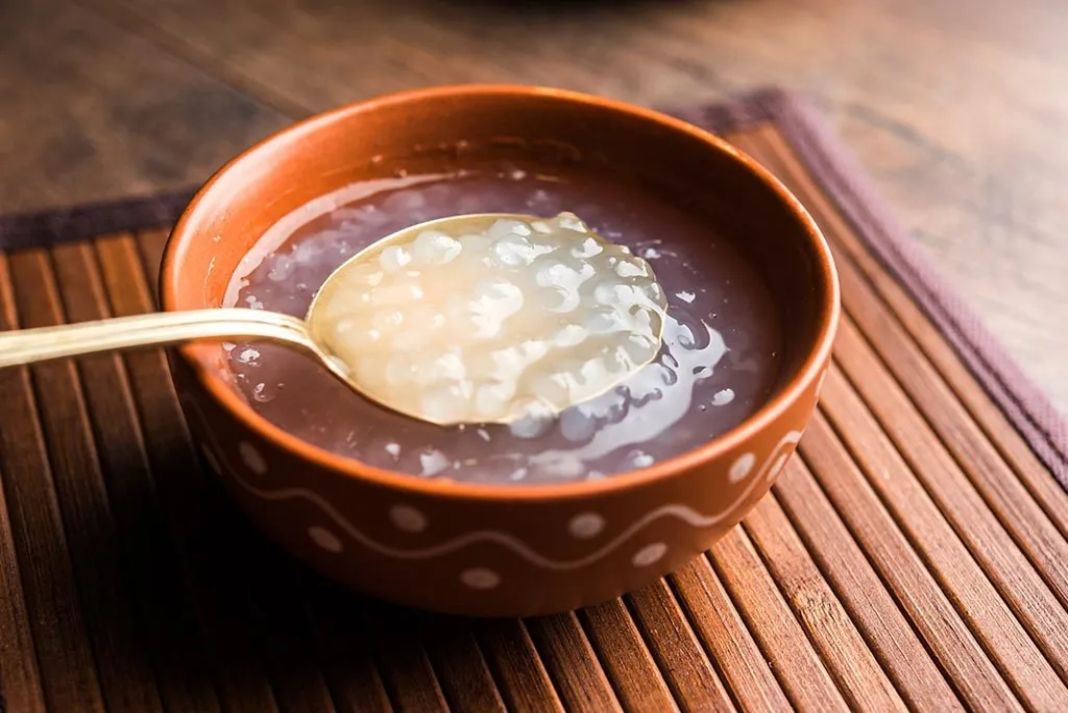
1. Plain Sago Water (Sabudana Ka Pani)
Mechanism: Provides quick-digesting glucose. Useful during fever, dehydration, and post-fasting weakness.
How to Use:
Soak 2 tbsp sabudana for 2 hours.
Boil in 1½ cups water until translucent.
Strain, drink warm or room temp.
Best For: Children, elderly, fever recovery.
Risks: High glycemic index → caution for diabetics.
2. Sabudana with Milk
Mechanism: Combines carbs + protein + calcium, aiding muscle repair and recovery.
How to Use:
Cook 2 tbsp soaked sabudana in 1 cup milk until thick.
Sweeten with honey or jaggery.
Best For: Post-surgery recovery, growing kids, athletes.
Risks: Not suitable for lactose intolerance.
3. Lemon-Honey Sago Drink
Mechanism: Vitamin C (lemon) aids immunity, honey provides antioxidants + energy.
How to Use:
Prepare plain sago water.
Add 1 tsp lemon juice + 1 tsp honey.
Best For: Weakness after fever or heat exhaustion.
Risks: Avoid lemon if acidity or ulcers.
4. Coconut Water with Sago
Mechanism: Provides electrolytes (potassium, sodium) + carbs = hydration + stamina.
How to Use:
Boil sabudana until soft.
Cool and add ½ cup coconut water.
Best For: Summer fatigue, dehydration.
Risks: Kidney patients (high potassium) should avoid.
5. Sago Buttermilk (Chaas with Sabudana)
Mechanism: Probiotic-rich buttermilk restores gut microbiome + starch for energy.
How to Use:
Cook sabudana pearls.
Mix with buttermilk + roasted cumin + rock salt.
Best For: Indigestion, summer weakness.
Risks: Not for severe lactose intolerance.
6. Sago Almond Milk Drink (Vegan)
Mechanism: Combines plant protein + vitamin E + starch for recovery.
How to Use:
Cook sabudana until translucent.
Add unsweetened almond milk + dates for sweetness.
Best For: Vegans, lactose intolerant individuals.
Risks: Commercial almond milk may lack protein.
7. Sago Curd Drink (Sabudana Dahi Mix)
Mechanism: Probiotics + starch improve digestion and immunity.
How to Use:
Add 3 tbsp boiled sabudana to ½ cup curd.
Mix with roasted cumin + mint.
Best For: Fever recovery, gut healing.
Risks: Avoid in cold/cough prone individuals (curd may worsen).
8. Sago Date Smoothie
Mechanism: Dates supply iron + antioxidants; sabudana gives glucose. Combats anemia + weakness.
How to Use:
Blend soaked dates (4–5) with milk.
Add cooked sabudana pearls.
Best For: Anemia, post-menstrual fatigue, post-surgery recovery.
Risks: High sugar content—avoid in diabetes.
9. Sago Banana Shake
Mechanism: Bananas provide potassium, supporting muscle recovery + sabudana provides energy.
How to Use:
Blend 1 ripe banana + milk.
Add 3 tbsp cooked sabudana pearls.
Best For: Athletes, gym-goers, muscle cramps.
Risks: High glycemic load → avoid for diabetics.
10. Sago & Turmeric Drink
Mechanism: Turmeric (curcumin) reduces inflammation; sabudana restores glycogen.
How to Use:
Cook sabudana in milk.
Add ½ tsp turmeric + black pepper (for absorption).
Best For: Recovery from viral infections, joint pain, muscle soreness.
Risks: Excess turmeric may cause acidity.
11. Sago Dry Fruit Drink
Mechanism: Nuts provide healthy fats, minerals, protein; sabudana provides carbs = complete nutrition.
How to Use:
Blend soaked almonds, cashews, raisins.
Mix with sabudana milk.
Best For: Malnutrition, children, postpartum recovery.
Risks: Calorie-dense—avoid for obesity.
12. Sago Herbal Tea Mix
Mechanism: Antioxidants from tulsi/ginger + carbs = immunity + energy.
How to Use:
Brew ginger/tulsi tea.
Add 2 tbsp cooked sabudana pearls.
Best For: Cold recovery, seasonal fatigue.
Risks: Ginger may cause acidity in sensitive stomachs.
13. Sago & Chia Drink
Mechanism: Chia provides omega-3 & fiber; sabudana adds quick glucose = balanced hydration.
How to Use:
Soak chia seeds overnight.
Add to sabudana water + coconut water.
Best For: Athletes, hot weather recovery.
Risks: May cause bloating.
14. Sago Protein Shake
Mechanism: Sabudana provides carbs; whey protein aids muscle recovery. Perfect for gym-goers.
How to Use:
Blend milk + whey powder.
Add cooked sabudana pearls.
Best For: Sports nutrition, post-workout.
Risks: Not suitable for kidney disease patients.
15. Sago Saffron Drink
Mechanism: Saffron improves mood + antioxidants + sabudana energy.
How to Use:
Cook sabudana in warm milk.
Add a few saffron strands soaked in warm water.
Best For: Stress, postpartum weakness, insomnia.
Risks: Expensive; overuse of saffron may cause dizziness.
16. Sago Jaggery Drink
Mechanism: Jaggery provides iron + minerals; sabudana replenishes energy.
How to Use:
Prepare sabudana milk drink.
Add 1 tbsp jaggery.
Best For: Anemia, winter weakness.
Risks: High sugar—avoid in diabetes.
17. Sago & Aloe Vera Drink
Mechanism: Aloe soothes gut, reduces inflammation; sabudana supplies carbs.
How to Use:
Blend 1 tbsp aloe pulp in water.
Mix with sabudana water.
Best For: Gastric irritation, post-sun dehydration.
Risks: Excess aloe = diarrhea.
18. Sago Rose Drink
Mechanism: Rose water cools body + sabudana provides energy.
How to Use:
Cook sabudana pearls.
Add rose water & sugar/honey.
Best For: Summer heat, fatigue.
Risks: Ensure natural rose extract—artificial flavor may cause allergy.
19. Sago Vegetable Soup
Mechanism: Combines vitamins from veggies + carbs for recovery = balanced nutrition.
How to Use:
Make clear veg broth.
Add 2 tbsp cooked sabudana.
Best For: Post-illness appetite loss, elderly.
Risks: Add low salt for BP patients.
20. Ayurvedic Sago Tonic
Mechanism: Herbs (cardamom, fennel, ginger) improve digestion; sabudana provides energy.
How to Use:
Boil sabudana in water.
Add fennel, ginger, cardamom.
Best For: Indigestion, fatigue, postpartum women.
Risks: Ginger may not suit acidity-prone people.
🥼 Expert Quotes
Dr. Shalini Gupta, Clinical Nutritionist (AIIMS, India):
“Sabudana water is one of the easiest forms of carbohydrate intake for patients recovering from illness. It provides quick glucose availability without burdening the digestive system.”Dr. Mark Tarnopolsky, McMaster University (Journal of Physiology):
“Carbohydrate refeeding after exercise is crucial for glycogen replenishment, and tapioca starch is a rapid source of glucose.”【https://pubmed.ncbi.nlm.nih.gov/22089498/】Dr. Anupama Singh, Ayurvedic Physician (BHU):
“In Ayurveda, sabudana with buttermilk is prescribed for pitta imbalance, fever recovery, and digestive weakness.”
⚖️ Comparison with Other Recovery Drinks
| Drink | Pros | Cons |
|---|---|---|
| Sabudana Drink | Natural, gluten-free, easy to digest | Low protein, high glycemic index |
| ORS (Oral Rehydration Solution) | Balanced electrolytes + glucose | Synthetic taste, not filling |
| Protein Shakes | High protein for muscle repair | Harder to digest when weak |
| Fruit Juices | Vitamins + antioxidants | High sugar, less filling |
| Rice Water | Similar digestibility | Lower calorie density |
Verdict: For quick, natural, and gentle recovery, sabudana drink is highly effective, though pairing it with protein sources makes it more balanced.
📅 Structured Routine for Recovery
Morning
Warm sago lemon-honey drink for energy
Best after fasting or post-illness morning weakness
Mid-Day
Sago buttermilk or sago curd drink for gut recovery
Evening
Sago banana shake or sago dry fruit milk for strength and stamina
Night
Light sago milk drink with saffron/turmeric for restful sleep and healing
⚠️ Risks & Precautions
High Glycemic Index: Not suitable for diabetics unless combined with protein/fiber.
Low Protein: Should not replace meals—pair with milk, nuts, or pulses.
Cassava origin caution: Poorly processed tapioca may contain cyanogenic glycosides (toxins). Use only certified brands.
Overconsumption: May cause weight gain, bloating, or constipation.
❓ FAQs
1. How long does it take for sabudana drinks to show results in recovery?
👉 Usually within 1–3 days, users feel improved energy and digestion.
2. Can sabudana drinks help after surgery?
👉 Yes, due to its easy digestibility, but must be paired with protein for tissue repair.
3. Is sabudana safe for children?
👉 Yes, in moderation. Works as a gentle recovery food for fevers or stomach upsets.
4. Can diabetics take sabudana drinks?
👉 Not recommended alone. Can be paired with fiber, nuts, or protein for slower glucose release.
5. Which is better: sabudana drink or rice water?
👉 Both are easy to digest, but sabudana is higher in energy density.
6. Can sabudana drinks replace meals?
👉 No, they are supplements for weakness, not full meals.
7. Is sabudana good for athletes?
👉 Yes, helps in glycogen replenishment post-exercise.
8. How to make sabudana drink for fever recovery?
👉 Plain sabudana water with lemon & honey works best.
📌 Disclaimer
This guide is for educational purposes only. Sabudana drinks are supportive remedies, not medical treatment. For chronic weakness, metabolic disorders, or prolonged illness, consult a licensed physician or dietitian.