
Author’s note: this definitive guide distills what the strongest science says about how daily choices—food, movement, sleep, stress, screenings, and more—compound over decades to protect women’s hearts, bones, brains, skin, and longevity. Each remedy below includes: why it works (mechanism), how to use it (step-by-step), and risks/caveats—plus comparisons where helpful. I’ve also added expert quotes, a done-for-you routine, summary tables, and FAQs.
Key insight: Women who stack multiple healthy habits gain many extra years lived free of major chronic disease compared with those who don’t. PMC
🧭 Contents
Why lifestyle matters for women
The 20 science-backed remedies (deep dives)
Expert quotes (with sources)
A practical 7-day routine you can follow
FAQs (high-intent, SEO-friendly)
Summary tables
Disclaimer
1) 🌿 Why Lifestyle Matters for Women
Across life stages—menstruation, pregnancy, perimenopause, and postmenopause—women experience shifting hormones, bone turnover, and cardiometabolic risk. The good news: lifestyle levers meaningfully move long-term risk curves. In a multi-cohort analysis, women with the healthiest profiles accumulated ~9 additional disease-free years vs. the least healthy. PMC
2) ✅ The 20 Remedies—Mechanisms, Steps, Risks
How to use this section: pick 2–3 remedies to focus on this month, then stack others over time. Tiny, consistent wins beat heroic sprints. 💪
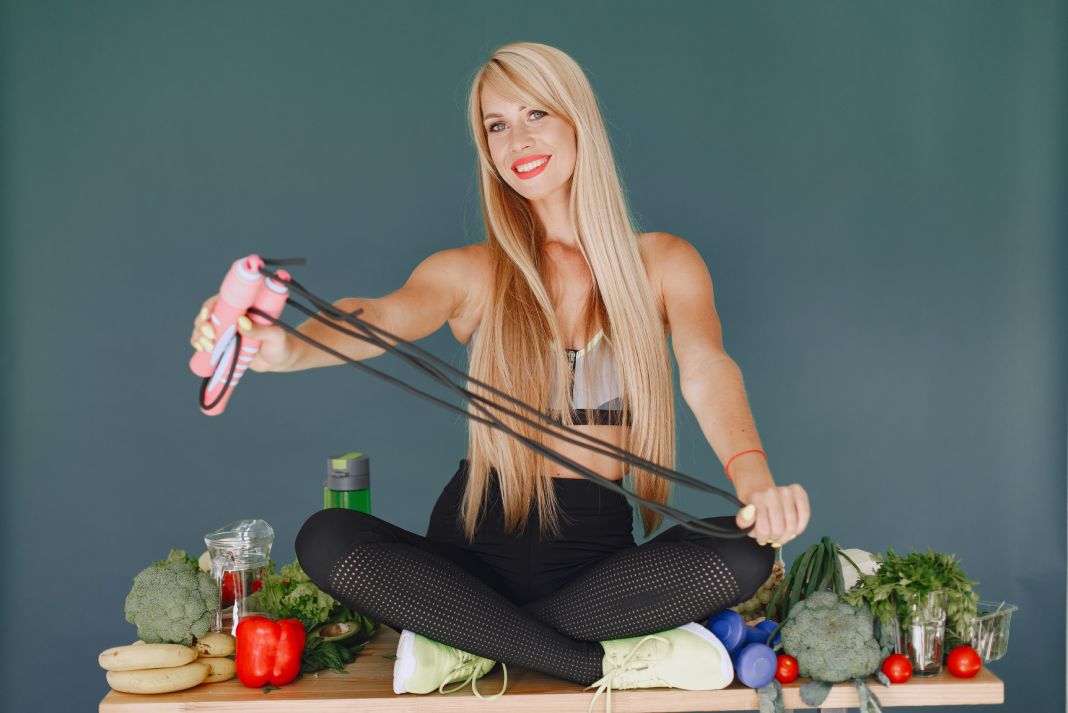
1) 🥗 Mediterranean / Plant-Forward Eating
Why it works (mechanism)
Rich in fiber, polyphenols, and unsaturated fats, this pattern lowers systemic inflammation, improves insulin sensitivity, supports a healthier microbiome, and favorably influences estrogen metabolism.
Evidence
Among women, higher adherence to a (healthy) Mediterranean pattern correlates with lower cardiovascular events and mortality. It’s also been linked to longer telomeres—a biomarker of cellular aging—in the Nurses’ Health Study. AHA Journals+1
How to do it (steps)
Fill half your plate with vegetables/legumes; include whole grains and nuts daily.
Choose olive oil over butter; fish 2×/week; minimize processed meats/sugars.
Track fiber (goal ~25–35 g/day).
Re-test lipids/A1c in 3–6 months and adjust.
Compare
Low-fat only often underperforms vs Mediterranean for lipids and adherence.
Very low-carb may help insulin resistance in some, but long-term adherence varies.
Risks/caveats
GI changes if you add fiber too fast; increase gradually and hydrate.
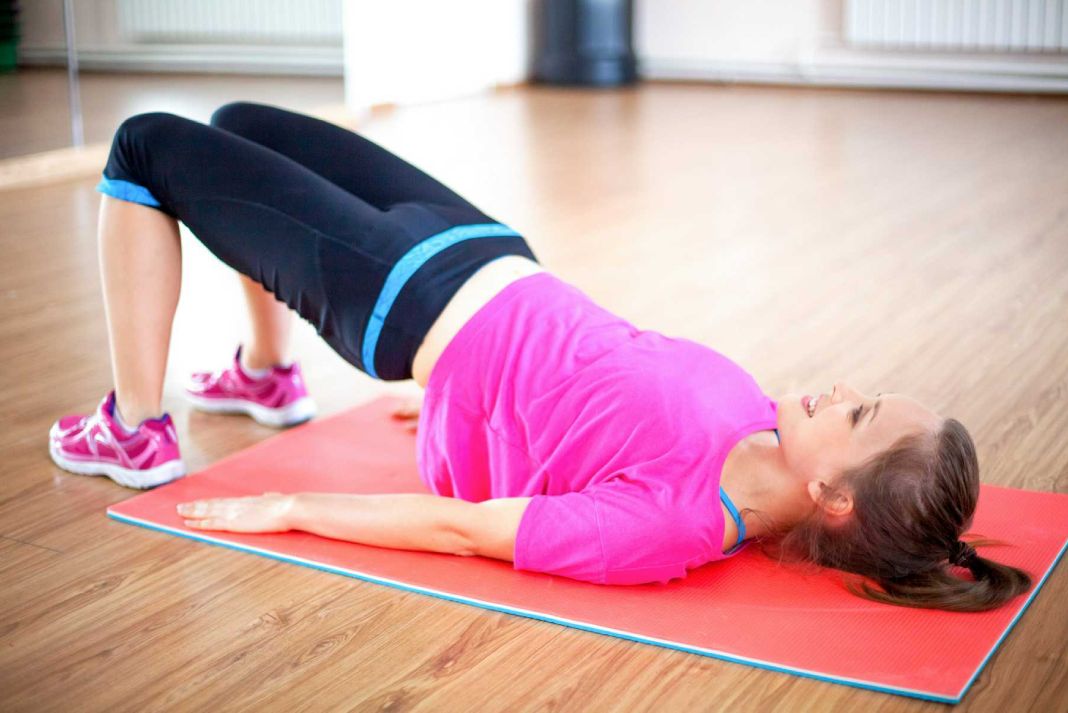
2) 🏃♀️ Movement: Aerobic + Strength + Mobility
Why it works
Exercise boosts mitochondrial function, endothelial health, insulin sensitivity, HDL, and bone remodeling—critical for women post-40.
Evidence
Physical activity lowers all-cause mortality by ~20–35% and reduces major events in older women (large trials and cohort data). PMC+1
How to do it
150–300 min/week moderate cardio (or 75–150 min vigorous).
2–3 strength sessions/week (progressive overload for major muscle groups).
Mobility/balance (yoga/Pilates) 2–3×/week.
Sit less: micro-walks every hour.
Compare
Aerobic + resistance beats either alone for fat loss, glucose control, and bone.
Risks/caveats
Ramp slowly to avoid injury; watch for menstrual/hormonal disruptions with heavy training + low energy availability.
3) ⚖️ Healthy Adiposity (not just “weight”)
Why it works
Visceral fat secretes inflammatory adipokines and increases insulin resistance; after menopause, adipose tissue also becomes a source of estrogen, influencing cancer risk.
Evidence
“Healthy lifestyle” profiles including normal BMI drive large gains in disease-free years. PMC
How to do it
Aim for 0.5–1% body weight change/month if reducing.
Prioritize protein + resistance training to preserve lean mass.
Track waist, not just scale weight.
Risks
Crash dieting → muscle loss, menstrual issues, bone loss.
4) 😴 Sleep Optimization (7–9 hours)
Why it works
Sleep tunes leptin/ghrelin, cortisol, immune repair, and glucose regulation. Fragmented or short sleep raises metabolic and CVD risk.
How to do it
Fixed sleep/wake times (even weekends).
Cool, dark, quiet room; no caffeine after mid-afternoon.
Address snoring/hot flashes and screen exposure.
Risks
Oversleeping (>9–10 h) is linked with morbidity; chronic insomnia needs care.
5) 🧠 Stress Resilience (Mindfulness/CBT/Breathwork)
Why it works
Chronic stress elevates cortisol/sympathetic tone → inflammation, insulin resistance, and telomere attrition.
How to do it
Daily 5–10 min breathwork (box, 4-7-8).
10–20 min mindfulness or guided meditation.
Journaling/CBT reframing weekly.
Nature walks + light yoga.
Risks
Occasionally meditation surfaces tough emotions—seek guidance if needed.
6) 🚭 Smoking: Quit & Avoid Secondhand Exposure
Why it works
Removes carcinogens/oxidative damage and reduces CVD, stroke, and cancer risks.
Evidence
“Never smoking” features in the top disease-free lifestyle profiles. PMC
How to do it
Combine behavioral therapy + NRT or varenicline for best quit rates.
Make your home and car smoke-free.
Risks
Expect withdrawal; plan for weight/mood support.
7) 🍷 Alcohol: If You Drink, Keep It Minimal (or Skip)
Why it works (and why it harms)
Alcohol raises estrogen and generates acetaldehyde (a carcinogen), increasing risk for several cancers—particularly breast in women—even at low intakes. Cancer.gov+1
Evidence
NCI and WCRF conclude there’s no safe level for cancer risk; even ~1 drink/day raises breast cancer risk vs. <1/week. Cancer.gov+1
How to do it
Aim for ≤1 drink/day max—preferably less or none.
Plan alcohol-free days each week; avoid bingeing.
Compare
Moderate intake’s heart benefits are controversial; cancer risk signal is consistent.
Risks
Medication interactions; sleep disruption; caloric load.
8) 🩺 Hormone Health & Reproductive Care
Why it works
Optimizing thyroid, PCOS, endometriosis, and perimenopause care impacts bone, lipids, glucose, and quality of life.
How to do it
Regular GYN checkups; evaluate heavy/irregular cycles.
Consider MHT/HRT for bothersome menopausal symptoms when appropriate; always personalized and time-limited.
Support with diet/exercise; limit alcohol.
Risks
HRT isn’t for everyone (e.g., certain clotting/cancer risks). Use shared decision-making.
9) 🦠 Gut & Microbiome Support
Why it works
Fiber and fermentation → short-chain fatty acids (SCFAs), immune modulation, and effects on enterohepatic estrogen cycling.
How to do it
25–35 g fiber/day with diverse plants.
Fermented foods (yogurt/kefir/kimchi) if tolerated.
Probiotics only when strain-specific evidence fits your condition.
Minimize unnecessary antibiotics.
Risks
Caution with probiotics in immunocompromised states; start low.
10) 💧 Hydration & Electrolyte Balance
Why it works
Fluid balance underpins cognition, kidney function, skin turgor, and thermoregulation.
How to do it
Rough guide: ~30–35 mL/kg/day, adjusted for heat/exercise/pregnancy or lactation.
Prefer water; add electrolytes on sweaty days.
Risks
Overhydration → hyponatremia; CHF/CKD require clinician guidance.
11) ☀️ Sun Protection & Smart Skincare
Why it works
UV causes DNA damage and collagen breakdown; sunscreen mitigates photoaging and reduces melanoma in RCT evidence. ASCO Publications
How to do it
Broad-spectrum SPF 30–50+, reapply every 2 hours outdoors.
Hats/shade; vitamin C or niacinamide serums as adjuncts.
Annual skin checks if risk factors.
Risks
Possible irritation—patch-test; mineral filters are gentler for sensitive skin.
12) 🧩 Cognitive Stimulation & Lifelong Learning
Why it works
Learning builds “cognitive reserve,” delaying clinical expression of decline via neuroplasticity.
How to do it
Skill-building (languages, music) + social discussion groups.
“Dual-task” (e.g., walking + recall drills).
Risks
Overdoing it can fatigue—alternate effort with rest.
13) 🤝 Social Connectedness
Why it works
Supportive relationships lower stress physiology and improve adherence to all the other habits.
How to do it
Weekly touchpoints with close ties.
Volunteer or join interest groups for purpose + connection.
Risks
Toxic ties drain health—set boundaries.
14) 🧪 Environmental Toxins / Endocrine Disruptors
Why it works
Limiting BPA, phthalates, PFAS, and certain pesticides may reduce endocrine disruption and long-term cancer risk.
How to do it
Glass/steel over plastic; fragrance-free personal care.
Ventilate; consider HEPA filters; wash produce thoroughly.
Risks
Avoid anxiety spirals—prioritize high-impact changes you can sustain.
15) 🩻 Preventive Screening & Early Detection
Why it works
Screening doesn’t change biology, but it changes prognosis via earlier intervention.
Evidence & actions
Breast cancer: the USPSTF recommends biennial mammography from age 40 to 74. USPSTF+1
Cervical cancer (HPV/cytology), colorectal screening from 45–50, BP, lipids, glucose—per guidelines and risk.
Bone density (DXA) in menopause and risk-based earlier if indicated.
Risks
False positives/overdiagnosis exist—use shared decision-making and guideline cadence.
16) 😁 Oral Health & Periodontal Care
Why it works
Gum disease raises systemic inflammation and is linked with adverse pregnancy outcomes; oral infections can be inflammatory foci. PMC+1
How to do it
Brush 2×/day (fluoride), floss daily; cleanings q6 months.
Treat gingivitis/periodontitis early.
Risks
Over-use of antiseptic mouthwash can disrupt the oral microbiome.
17) 🦴 Bone Health: Calcium, Vitamin D, & Load-Bearing
Why it works
Mechanical load + adequate calcium/vitamin D slows postmenopausal bone loss; resistance training stimulates osteogenesis.
Evidence nuance
Supplementation alone (especially low-dose D ≤400 IU and Ca ≤1000 mg) does not prevent fractures in community-dwelling older adults; pair nutrients with weight-bearing training and personalized medical care. USPSTF+1
How to do it
Aim for ~1,000 mg Ca/day (premenopause), ~1,200 mg (postmenopause) from food first; supplement gaps judiciously.
Target serum 25(OH)D ~30–50 ng/mL (individualize with your clinician).
Do resistance/impact training 3×/week.
Risks
High-dose Ca may raise kidney stone risk; supplement under supervision.
18) ⏰ Circadian Rhythm & Light Hygiene
Why it works
Rhythm alignment shapes melatonin/cortisol, insulin sensitivity, DNA repair, and cancer risk signals.
Evidence
IARC classifies night shift work as “probably carcinogenic”; updated analyses continue evaluating breast cancer risk. IARC+1
How to do it
Bright morning light; dim/blue-reduce evenings.
Consistent sleep/wake; earlier meal timing if possible.
Risks
Shift workers can’t perfect this—minimize misalignment where feasible.
19) 🧘♀️ Mind-Body Therapies (Yoga, Meditation, Breath)
Why it works
Improves HRV, lowers blood pressure/cortisol, and eases menopausal/PCOS symptom burden for some women.
How to do it
20–40 min practice, 3–5×/week.
Add 5–10 min breathwork daily.
Risks
Modify poses if injured; avoid extreme breath holds without guidance.
20) 😴 Power Naps & Recovery
Why it works
Short early-afternoon naps (20–30 min) restore alertness without harming nocturnal sleep; planned recovery days prevent overtraining.
How to do it
Nap 1–3 pm, 20–30 min max; avoid late naps.
Program rest/deload weeks into training blocks.
Risks
30–60 min naps can cause sleep inertia and impair night sleep.
3) 🧑⚕️ Expert Quotes (Real Sources)
“In a multicohort analysis… various healthy lifestyle profiles were associated with gains in life-years without major chronic diseases.” — Nyberg et al., JAMA Internal Medicine (2020). PubMed
“Women with higher Alternate Mediterranean Diet Scores had significantly lower CVD mortality.” — Fung et al., Circulation (Nurses’ Health Study). AHA Journals
“Long-term, daily sunscreen use reduced melanoma incidence.” — Green et al., randomized trial, JCO. ASCO Publications
“The USPSTF recommends biennial mammography for women 40–74.” — USPSTF Final Recommendation (2024). USPSTF+1
“Even light drinking increases breast cancer risk; risk rises with each additional drink.” — NCI Alcohol & Cancer Fact Sheet and WCRF. Cancer.gov+1
“IARC classifies night shift work as probably carcinogenic (Group 2A).” — IARC Monographs. IARC
4) 📅 A Usable 7-Day Routine (Template)
Daily anchors
🌞 Morning: wake same time; 10 min light exposure + 5 min breathwork.
🍽️ Meals: Mediterranean template (veg/legumes/whole grains/olive oil/fish); fiber ≥25 g.
🏋️ Training:
Mon/Wed/Fri: 35–45 min strength (full-body, progressive overload).
Tue/Thu/Sat: 30–40 min cardio (mix moderate + intervals).
Daily: 5–10 min mobility + 6–8k steps.
☕ Alcohol: none most days; never binge.
💧 Hydration: water throughout; electrolytes on sweaty days.
🌙 Evening: screens dimmed 90 min pre-bed; light reading/stretching; sleep 7–9 h.
Weekly add-ons
🤝 1–2 social meetups.
🪥 Oral care check-in (floss streak!).
🧪 Prep/plan preventive care & labs as due.
🧘 2–3 yoga/meditation sessions (20–30 min).
5) ❓FAQs
1) How long until I see results?
Metabolic markers (A1c/lipids) often shift within 8–12 weeks; bone density and cancer-risk reduction accrue over years.
2) Are “natural” remedies as effective as prescriptions?
For mild hypertension, prediabetes, and menopause symptom support, lifestyle can be comparable—but never stop meds without clinician input.
3) Is it too late to start at 50+?
Not at all. Trials in older women show meaningful improvements with added activity and reduced sedentary time. PMC
4) Do I need supplements?
Food first. Supplement documented gaps (e.g., vitamin D, B12, iron). Note that low-dose D + Ca alone doesn’t prevent fractures; pair with training. USPSTF
5) How much alcohol is “safe” for women?
For cancer risk, no level is risk-free; even ~1 drink/day modestly raises breast cancer risk. Cancer.gov+1
6) Are naps okay?
Yes—20–30 min early afternoon can boost alertness without hurting night sleep.
7) What’s the best exercise split?
A mix: 2–3 strength + 2–3 cardio + daily steps/mobility. Strength is vital for bone and metabolic health post-40.
8) Which sunscreen should I use?
Broad-spectrum SPF 30–50+. Mineral filters suit sensitive skin; reapply every 2 hours outdoors. RCTs show melanoma risk reduction with regular use. ASCO Publications
9) How does shift work affect risk?
Night-shift/circadian disruption is classified as probably carcinogenic—optimize light hygiene and regularity if you must work nights. IARC
10) Can gum disease affect pregnancy?
Yes—periodontal disease is associated with preterm birth/preeclampsia; keep meticulous oral hygiene and see your dentist. PMC
⚖️ Disclaimer
This article is informational and does not replace personalized medical advice. Please consult your clinician—especially if pregnant, breastfeeding, managing chronic conditions, or taking medications.