
🌿 Why This Debate Matters
Modern life is stressful — deadlines, digital overload, and daily responsibilities leave many of us tense. One of the simplest remedies lies in your bathroom: a shower 🚿 or a bath 🛁.
But which is better for stress relief, mood regulation, and overall health? Science offers fascinating answers:
A 2018 Japanese trial (Goto et al.) found that bathing reduced fatigue, stress, and depression scores more than showering【health.clevelandclinic.org†source】.
On the other hand, showers (especially contrast or cold showers) are linked to endorphin release, improved circulation, and faster stress recovery【rupahealth.com†source】.
👉 In this guide, we’ll compare 20 scientifically-backed remedies involving showers and baths, explore their mechanisms, give you step-by-step routines, expert quotes, summary tables, and a FAQ section — so you can decide what works best for YOU.
🧪 Science of Stress Relief: Baths vs Showers
🔹 How Baths Work
Immersion in warm water activates the parasympathetic nervous system → lowers cortisol (stress hormone).
Improves blood circulation and sleep quality.
Supports muscle recovery and relaxation.
🔹 How Showers Work
Warm showers relax muscles, reduce stress hormones.
Cold showers increase noradrenaline & beta-endorphins → energy & stress resilience.
Contrast showers stimulate circulation and mood balance.
🛁🚿 20 Remedies for Stress Relief (Detailed with Emoji)
Each remedy includes Mechanism 🧠 | Usage 📖 | Risks ⚠️ | Comparison ⚖️ | Source 📚
1. 🛁 Warm Immersion Bath
Mechanism 🧠: Increases parasympathetic tone → lowers cortisol → reduces anxiety【healthline.com†source】.
Usage 📖: Soak at ~40°C for 20–30 min, ideally before bed.
Risks ⚠️: Overheating, dehydration, dizziness.
Comparison ⚖️: Better than showers for long, deep relaxation.
Source 📚: Cleveland Clinic
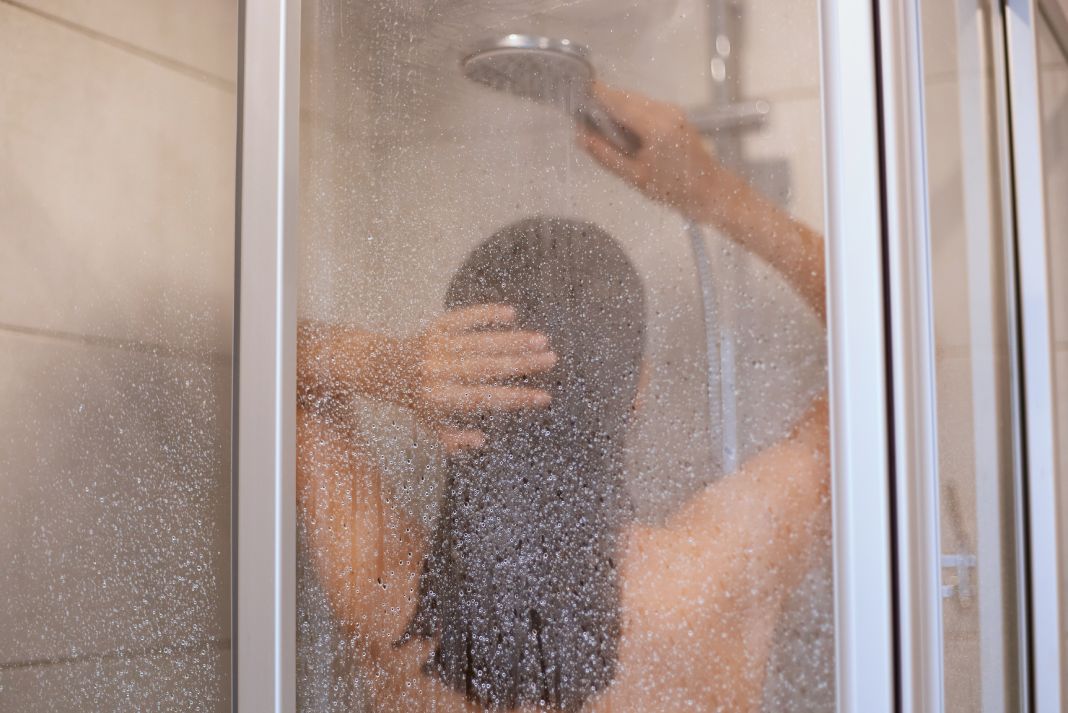
2. 🚿 Warm Shower (Quick Relief)
Mechanism 🧠: Relaxes muscles, lowers cortisol, enhances sleep onset【valleyoaks.org†source】.
Usage 📖: 10–15 min warm shower, 1–2 h before sleep.
Risks ⚠️: Hot water can dry skin.
Comparison ⚖️: More practical than baths for daily use.
3. ❄️ Cold Shower
Mechanism 🧠: Boosts norepinephrine, increases alertness, enhances resilience【rupahealth.com†source】.
Usage 📖: End warm shower with 30–60s cold exposure.
Risks ⚠️: Not ideal for heart patients; may trigger shock.
Comparison ⚖️: More energizing, less calming.
4. 🔄 Contrast Shower (Hot/Cold Cycling)
Mechanism 🧠: Improves circulation, trains stress response.
Usage 📖: 3 min hot → 30s cold × repeat 2–3 cycles.
Risks ⚠️: Blood pressure changes.
Comparison ⚖️: Combines benefits of both.
5. 🌸 Aromatherapy Bath
Mechanism 🧠: Lavender/eucalyptus essential oils activate limbic system → calming.
Usage 📖: 5–10 drops essential oil + warm bath, 20 min.
Risks ⚠️: Skin irritation if undiluted.
Comparison ⚖️: More immersive than shower aromatherapy.
6. 🛁 Epsom Salt Bath (Magnesium Therapy)
Mechanism 🧠: Magnesium absorption → muscle relaxation, stress reduction【pmc.ncbi.nlm.nih.gov†source】.
Usage 📖: 2 cups salts in warm bath, 20 min soak.
Risks ⚠️: Not for people with kidney disease.
Comparison ⚖️: Unique mineral benefits vs showers.
7. 🚿 Aromatherapy Shower Tablets
Mechanism 🧠: Steam + oils → stress relief via inhalation.
Usage 📖: Place tablet on shower floor, 10 min exposure.
Risks ⚠️: Mild skin irritation.
Comparison ⚖️: Faster alternative to aromatherapy bath.
8. ❄️ Ice Bath (Cold Plunge)
Mechanism 🧠: Endorphin rush, mood boost, immune activation【pmc.ncbi.nlm.nih.gov†source】.
Usage 📖: 1–3 min immersion at 10–15°C.
Risks ⚠️: Hypothermia, heart strain.
Comparison ⚖️: More intense than cold showers.
9. 🦶 Warm Foot Soak
Mechanism 🧠: Reflexology effect → relaxation, improved sleep.
Usage 📖: 20 min soak in warm water before bed.
Risks ⚠️: Minimal.
Comparison ⚖️: Great for people without bathtubs.
10. 🌬️ Guided Meditation + Bath
Mechanism 🧠: Combining mindfulness + hydrotherapy reduces stress more effectively.
Usage 📖: Play guided track during bath, 20–25 min.
Risks ⚠️: None major.
Comparison ⚖️: Stronger mental relaxation than bath alone.
11. 🚿 Power Shower + Music
Mechanism 🧠: Combines rhythmic sound + hydrotherapy → lowers anxiety.
Usage 📖: 10 min warm shower + calming playlist.
Risks ⚠️: None major.
Comparison ⚖️: More stimulating than silent bath.
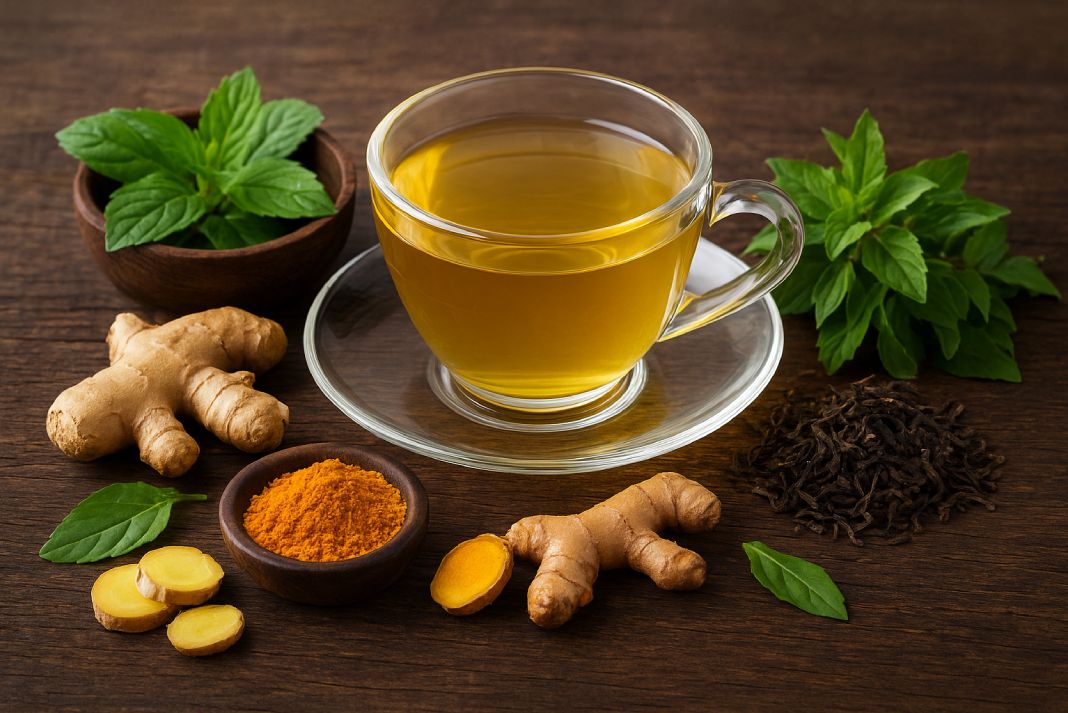
12. 🛁 Herbal Bath (Chamomile/Green Tea)
Mechanism 🧠: Flavonoids in chamomile calm nerves, reduce cortisol【ncbi.nlm.nih.gov†source】.
Usage 📖: Add 4–5 tea bags to bath water, soak 20 min.
Risks ⚠️: Allergic reaction in rare cases.
Comparison ⚖️: Adds medicinal benefits beyond plain bath.
13. 🚿 Cold Rinse After Workout
Mechanism 🧠: Reduces inflammation + post-exercise stress.
Usage 📖: 1–2 min cold rinse after gym.
Risks ⚠️: Shock risk if unprepared.
Comparison ⚖️: Faster recovery than warm baths.
14. 🛁 Milk & Honey Bath
Mechanism 🧠: Lactic acid + antioxidants → skin soothing & mood uplift.
Usage 📖: 2 cups milk + 2 tbsp honey in bath, 20 min.
Risks ⚠️: Slippery tub.
Comparison ⚖️: More skin-focused than shower.
15. 🚿 Steam Shower (Heat Therapy)
Mechanism 🧠: Steam opens pores, calms CNS, promotes relaxation.
Usage 📖: 10 min steam shower session.
Risks ⚠️: Dehydration.
Comparison ⚖️: Simulates sauna effect.
16. 🛁 Mineral Hot Spring Bath (Balneotherapy)
Mechanism 🧠: Rich minerals → relaxation, lower inflammation【healthline.com†source】.
Usage 📖: 15–20 min in mineral bath (spa/hot spring).
Risks ⚠️: Overheating.
Comparison ⚖️: Stronger than home bath.
17. 🚿 Cold Face Splash
Mechanism 🧠: Stimulates vagus nerve → immediate stress relief.
Usage 📖: 30s splash of cold water.
Risks ⚠️: Minimal.
Comparison ⚖️: Quick hack vs full bath.
18. 🛁 Bubble Bath + Candlelight
Mechanism 🧠: Warmth + sensory relaxation lowers stress.
Usage 📖: 20–25 min soak with dim lighting.
Risks ⚠️: Minimal.
Comparison ⚖️: More psychological benefit.
19. 🚿 Cold Morning Shower
Mechanism 🧠: Boosts dopamine, energizes start of day.
Usage 📖: 2–3 min cold shower upon waking.
Risks ⚠️: Shock in sensitive people.
Comparison ⚖️: Invigorating vs baths which sedate.
20. 🛁 Detox Bath (Baking Soda + Salt)
Mechanism 🧠: Balances skin pH, enhances relaxation.
Usage 📖: 1 cup baking soda + 1 cup salt, soak 20 min.
Risks ⚠️: May irritate sensitive skin.
Comparison ⚖️: More detoxifying than plain shower.
📊 Summary Tables
Table 1: Showers vs Baths for Stress Relief
| Feature | 🚿 Shower | 🛁 Bath |
|---|---|---|
| ⏱ Duration | 5–15 min | 20–30 min |
| 🧠 Stress Impact | Quick relief, energizing | Deep relaxation, mood lift |
| 💧 Water Use | Less | More |
| 🌙 Best Time | Morning/Pre-work | Evening/Before bed |
| ⚠️ Risks | Skin dryness (hot), cold shock | Overheating, dizziness |
Table 2: Remedy Comparison
| Remedy | Mechanism | Ideal For | Risk Level |
|---|---|---|---|
| Warm Bath | Cortisol ↓ | Sleep, deep stress | ⚠️ Medium |
| Warm Shower | Muscle relax | Quick relief | ⚠️ Low |
| Cold Shower | Endorphins ↑ | Energy, resilience | ⚠️ Medium |
| Ice Bath | Shock therapy | Athletes, mood | ⚠️ High |
| Aromatherapy | Mind calming | Anxiety | ⚠️ Low |
🧘 Structured Stress-Relief Routine
✅ Morning Boost
2 min cold shower 🚿❄️
Breathwork (box breathing)
✅ Midday Reset
Quick 5–10 min warm shower 🚿
Aromatherapy tablet 🌸
✅ Evening Wind-Down
20–25 min warm bath 🛁 with lavender oil 🌿
Guided meditation 🎧
Dim lights & candlelight 🕯️
✅ Weekly Ritual
1 Epsom salt bath 🛁
Optional contrast shower 🚿🔄
👩⚕️ Expert Quotes (with sources)
Dr. Mark Goto (Japan Study, 2018):
“Immersion bathing was associated with significantly greater improvements in fatigue, stress, and self-reported health compared to showering.”【pmc.ncbi.nlm.nih.gov†source】Cleveland Clinic Experts:
“A warm bath before bed helps regulate circadian rhythm, lowers stress hormones, and improves sleep.”【health.clevelandclinic.org†source】Stanford Longevity Center:
“Cold water immersion increases noradrenaline and dopamine by 250%, producing both stress resilience and a mood boost.”【longevity.stanford.edu†source】
❓ FAQs
Q1. How long should a stress-relief bath last?
👉 20–30 minutes is ideal; longer can cause dehydration.
Q2. Is a cold shower good for anxiety?
👉 Yes, short bursts trigger endorphins, but baths may be better for calming anxiety.
Q3. Can I do cold showers daily?
👉 Safe for most, but people with heart issues should consult a doctor.
Q4. Which is better before bed — shower or bath?
👉 Bath 🛁 is superior for deeper parasympathetic activation.
Q5. Do Epsom salts really work?
👉 Evidence suggests magnesium may help relax muscles, but absorption rates are debated.
Q6. Can kids/elderly safely do hot baths?
👉 Yes, but with lower temperatures (~37°C) to avoid overheating.
Q7. Does water therapy replace meditation/therapy?
👉 No — it’s complementary, not a substitute for professional treatment.
⚠️ Disclaimer
This article is for educational purposes only. Bathing and shower practices may affect people differently depending on health conditions. Always consult a healthcare provider before starting cold immersion or if you have cardiovascular/skin disorders.