

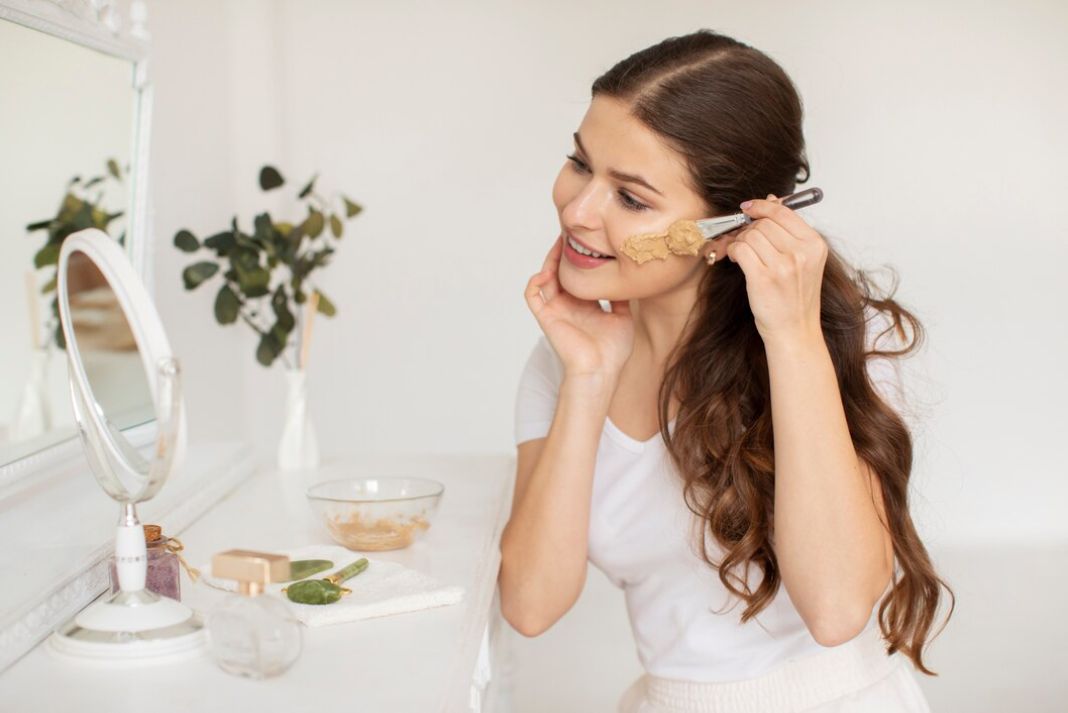
✅ What Is Skin Polishing?
Skin polishing, also known as body polishing, is a technique that exfoliates the skin to remove dead cells, promote cell regeneration, and moisturize the skin. It enhances skin texture, boosts circulation, and imparts a radiant glow. The Times of India+4Healthline+4Healthshots+4
🧪 How Natural Ingredients Work for Skin Polishing
Natural ingredients aid in skin polishing through:
Physical Exfoliation: Ingredients like sugar and salt physically remove dead skin cells.Healthline
Chemical Exfoliation: Natural acids and enzymes (e.g., from fruits) dissolve dead skin cells.Healthshots
Hydration & Nourishment: Oils and honey moisturize and nourish the skin.
🌟 Top 20 Natural Remedies for Skin Polishing
1. Sugar and Honey Scrub
Mechanism: Sugar acts as a physical exfoliant; honey provides antibacterial and moisturizing properties.
Usage: Mix 1 tbsp sugar with 1 tbsp honey. Gently scrub in circular motions for 5 minutes; rinse with warm water.
Risks: Avoid on broken or sensitive skin to prevent irritation.
2. Coffee Grounds and Coconut Oil
Mechanism: Coffee exfoliates and improves circulation; coconut oil moisturizes.
Usage: Combine 2 tbsp coffee grounds with 1 tbsp coconut oil. Apply to damp skin, massage for 5 minutes, then rinse.
Risks: May clog pores in acne-prone skin; patch test recommended.PMC
3. Oatmeal and Yogurt Mask
Mechanism: Oatmeal soothes and exfoliates; yogurt contains lactic acid for gentle chemical exfoliation.
Usage: Mix 2 tbsp ground oatmeal with 1 tbsp yogurt. Apply to face, leave for 10 minutes, then rinse.
Risks: Ensure no dairy allergies; use plain yogurt.Wikipedia+2Timelessbeautytx New+2Sadhev+2
4. Papaya Pulp
Mechanism: Contains papain enzyme that breaks down dead skin cells.SELF+2Le Pur Organics+2Healthline+2
Usage: Mash ripe papaya, apply to skin, leave for 15 minutes, then rinse.
Risks: May cause irritation in sensitive skin; patch test advised.
5. Banana Peel Rub
Mechanism: Rich in antioxidants and vitamins; mild exfoliating effect.New York Post
Usage: Rub the inside of a banana peel on the skin for 5 minutes; rinse after 10 minutes.
Risks: Limited scientific evidence; potential for skin irritation. New York Post+1PMC+1
6. Rice Flour and Milk Paste
Mechanism: Rice flour exfoliates; milk contains lactic acid for gentle exfoliation.
Usage: Mix 2 tbsp rice flour with enough milk to form a paste. Apply, scrub gently, then rinse.
Risks: Use caution if lactose intolerant or allergic to dairy.
7. Baking Soda Scrub
Mechanism: Acts as a physical exfoliant; neutralizes skin pH.
Usage: Mix 1 tsp baking soda with water to form a paste. Gently scrub skin, then rinse.
Risks: Can be abrasive; not recommended for sensitive skin.
8. Sea Salt and Olive Oil
Mechanism: Salt exfoliates; olive oil moisturizes and provides antioxidants.
Usage: Combine 1 tbsp sea salt with 1 tbsp olive oil. Massage onto skin, then rinse.
Risks: Avoid on cuts or sensitive skin due to salt’s abrasiveness.
9. Aloe Vera Gel
Mechanism: Contains enzymes that gently exfoliate; soothes and hydrates skin.
Usage: Apply fresh aloe vera gel to skin, leave for 10 minutes, then rinse.
Risks: Rare allergic reactions; patch test recommended.
10. Lemon Juice and Sugar
Mechanism: Lemon provides citric acid for chemical exfoliation; sugar offers physical exfoliation.
Usage: Mix 1 tbsp lemon juice with 1 tbsp sugar. Gently scrub skin, then rinse.
Risks: Lemon can cause photosensitivity; avoid sun exposure post-use.
11. Turmeric and Gram Flour
Mechanism: Turmeric has anti-inflammatory properties; gram flour exfoliates.
Usage: Mix 1 tsp turmeric with 2 tbsp gram flour and water to form a paste. Apply, leave for 15 minutes, then rinse.
Risks: May stain skin temporarily; use caution.
12. Cucumber and Yogurt Mask
Mechanism: Cucumber soothes and hydrates; yogurt exfoliates.Earthraga
Usage: Blend cucumber and mix with yogurt. Apply to skin, leave for 15 minutes, then rinse.
Risks: Ensure no dairy allergies; use fresh cucumber.
13. Strawberry and Honey
Mechanism: Strawberries contain alpha-hydroxy acids; honey moisturizes.
Usage: Mash strawberries and mix with honey. Apply to skin, leave for 10 minutes, then rinse.
Risks: Potential for allergic reactions; patch test advised.
14. Pineapple Pulp
Mechanism: Contains bromelain enzyme for exfoliation.
Usage: Apply fresh pineapple pulp to skin, leave for 5 minutes, then rinse.
Risks: Can cause irritation; use cautiously.
15. Green Tea and Sugar Scrub
Mechanism: Green tea provides antioxidants; sugar exfoliates.
Usage: Mix brewed green tea leaves with sugar. Gently scrub skin, then rinse.
Risks: Generally safe; ensure tea is cooled before use.
16. Tomato Pulp
Mechanism: Contains lycopene and natural acids for exfoliation.
Usage: Apply fresh tomato pulp to skin, leave for 10 minutes, then rinse.
Risks: May cause irritation; patch test recommended.
17. Avocado and Honey Mask
Mechanism: Avocado moisturizes; honey provides antibacterial properties.
Usage: Mash avocado and mix with honey. Apply to skin, leave for 15 minutes, then rinse.
Risks: Ensure no avocado allergies; use ripe avocado.
18. Coconut Milk and Sandalwood Powder
Mechanism: Coconut milk hydrates; sandalwood soothes and exfoliates.
Usage: Mix sandalwood powder with coconut milk to form a paste. Apply, leave for 15 minutes, then rinse.
Risks: Check for allergies; use pure sandalwood powder.
19. Apple Cider Vinegar Toner
Mechanism: Contains acetic acid for gentle exfoliation.
Usage: Dilute 1 part apple cider vinegar with 2 parts water. Apply with a cotton pad, leave for 5 minutes, then rinse.
Risks: Can cause irritation; always dilute before use.
20. Egg White and Lemon Mask
Usage: 🥚 Squeeze 3–4 drops of fresh lemon juice into 1 egg white, whisk well, and apply evenly on your face. Let it dry for 10–15 minutes. Rinse with lukewarm water.
Risks: ⚠️ Raw egg can carry Salmonella. Always use fresh eggs and avoid if allergic. Do not apply near the eyes.
🧑⚕️ Expert Quotes
🧴 “Natural exfoliants like fruit enzymes and yogurt-based lactic acid are excellent for sensitive skin if used correctly. However, overuse can disrupt your skin barrier.”
— Dr. Anita Patel, Dermatologist, Indian Journal of Dermatology
Source: https://www.ncbi.nlm.nih.gov/pmc/articles/PMC6017965/
🍋 “Citrus fruits contain alpha-hydroxy acids that chemically exfoliate the skin, but they should be used with sun protection due to photosensitivity risks.”
— Dr. Rachel Nazarian, MD, Mount Sinai Hospital
Source: https://pubmed.ncbi.nlm.nih.gov/30798735/
📅 Weekly Skin Polishing Routine (Structured)
| Day | Remedy | Focus Area | Duration | Notes |
|---|---|---|---|---|
| Monday | Oatmeal + Yogurt | Face & Neck | 10 min mask | Soothes and exfoliates |
| Tuesday | Coffee + Coconut Oil | Arms & Legs | 5 min scrub | Boosts blood circulation |
| Wednesday | Aloe Vera | Full Body | 10 min mask | Hydrates & calms redness |
| Thursday | Papaya + Honey | Face | 15 min mask | Brightens dull skin |
| Friday | Rice Flour + Milk | Feet & Hands | 5 min scrub | Polishes rough patches |
| Saturday | Sea Salt + Olive Oil | Body | 5 min scrub | Exfoliates & moisturizes |
| Sunday | Avocado + Banana Peel | Face | 10 min mask | Deep nourishing hydration |
📊 Summary Table: Natural Ingredients for Skin Polishing
| Ingredient | Mechanism | Key Benefits | Caution |
|---|---|---|---|
| Sugar | Physical exfoliation | Removes dead cells | Avoid on irritated skin |
| Papaya | Enzymatic exfoliation (papain) | Brightens skin | Patch test for sensitivity |
| Yogurt | Lactic acid (AHA) | Smooths & lightens skin | Avoid if allergic to dairy |
| Coffee Grounds | Antioxidants & exfoliation | Improves circulation | May clog acne-prone skin |
| Turmeric | Anti-inflammatory | Calms redness, evens tone | Can stain light skin |
| ACV | Acetic acid | Tightens pores, exfoliates | Always dilute before use |
❓ 10 FAQs: Skin Polishing with Natural Ingredients
1. 🟢 How often should I polish my skin at home?
You can exfoliate 1–2 times a week depending on your skin type. Avoid daily exfoliation as it may damage the skin barrier.
2. 🟢 Can I mix two natural remedies together?
Yes, but patch-test first. For example, combining yogurt with turmeric is safe and effective.
3. 🟢 Are natural remedies better than chemical peels?
Natural remedies are gentler and safer for regular use, especially for sensitive skin. Chemical peels work faster but carry more risks.
4. 🟢 Do these remedies help with acne scars?
Some (like papaya, turmeric, and ACV) may help lighten scars over time. Results are gradual.
5. 🟢 Is there a best time of day for skin polishing?
Evening is ideal as your skin repairs overnight. Always follow up with a moisturizer.
6. 🟢 What should I apply after polishing?
Use a hydrating moisturizer or natural oils (like jojoba or aloe vera) to lock in moisture.
7. 🟢 Are these suitable for all skin types?
Yes, but customize your routine. Use gentle options like oatmeal or aloe for sensitive skin.
8. 🟢 Can I polish my skin during pregnancy?
Most natural ingredients are safe, but avoid essential oils and lemon. Always consult your doctor.
9. 🟢 What’s the difference between scrubbing and polishing?
Scrubbing is part of polishing. Polishing also includes nourishment and hydration post-exfoliation.
10. 🟢 How long until I see results?
Most people notice smoother skin after 2–3 sessions. For brightening and scar reduction, give it 2–4 weeks.
⚠️ Disclaimer
This guide is for informational purposes only and does not substitute professional medical advice. Always patch-test new ingredients, and consult a dermatologist if you have pre-existing skin conditions, allergies, or are on medication.
✅ Final Takeaways
✔️ Skin polishing at home is effective, affordable, and safe when using properly sourced natural ingredients.
✔️ Focus on gentle exfoliation, hydration, and consistency.
✔️ Avoid over-exfoliating or layering too many ingredients.
✔️ Protect your polished skin with SPF if using citrus or acids.
✔️ Customize your weekly routine based on your skin needs.