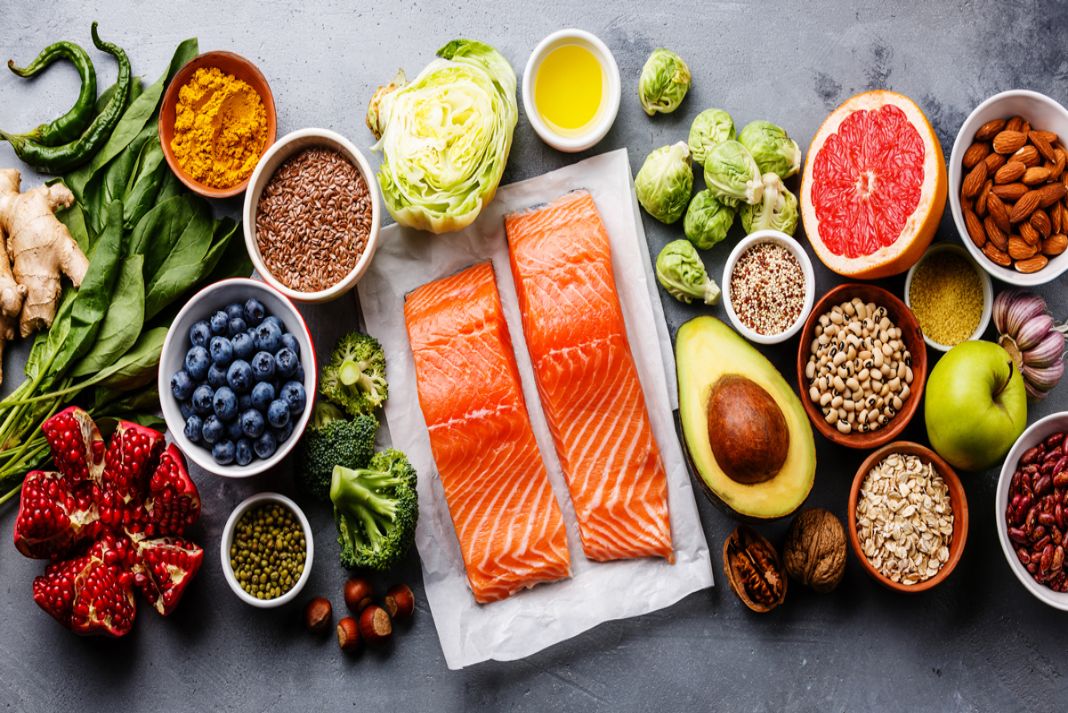

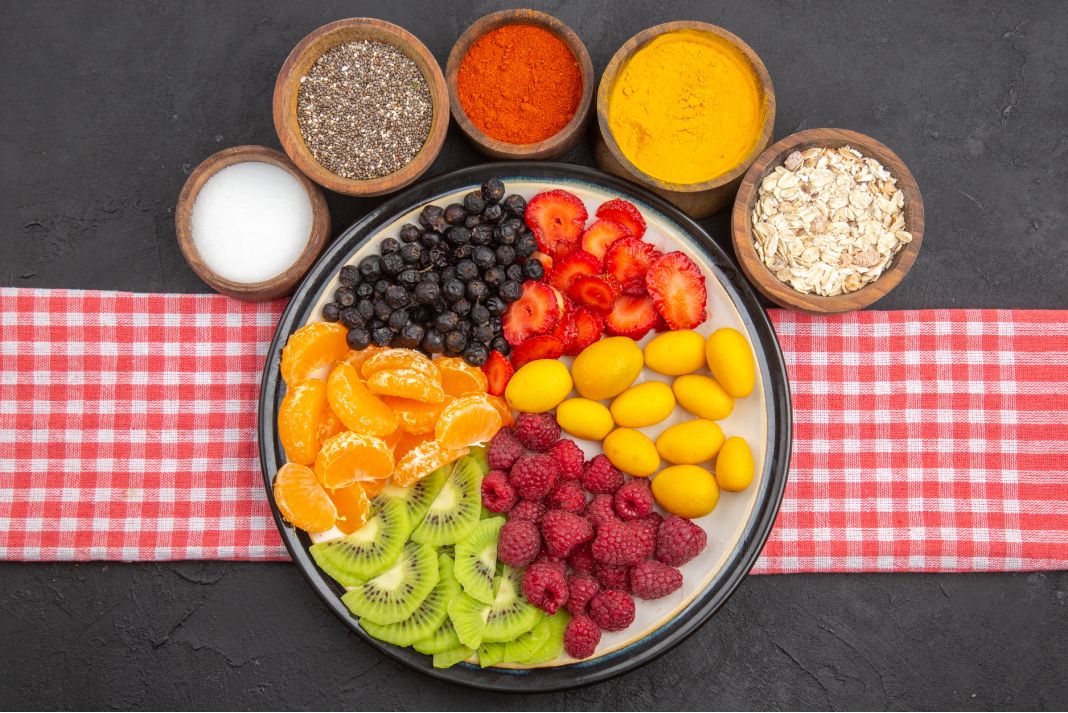
You can eat all the “superfoods” in the world, but the key is whether your body absorbs their nutrients. Nutrient bioavailability is affected by what you eat together: some foods help absorption (e.g., vitamin C helps plant iron), while others block it (e.g., tea inhibits iron). Learning a few simple pairings turns everyday meals into nutrient powerhouses. 🔋🍽️
The 20 Best Food Pairings 🌈
1️⃣ Vitamin C + Plant Iron (Spinach + Citrus) 🍊 + 🥬
Why: Vitamin C converts plant iron into a form your gut can absorb better.
How: Eat spinach/beans with orange slices or lemon juice in the same meal. Daily if you rely on plant iron.
Risks: Vitamin C + iron supplements can increase iron load in rare cases (hemochromatosis).
Better than: Eating plant iron alone. If you eat meat, heme iron is easier to absorb.
2️⃣ Healthy Fat + Carotenoids (Carrots/Kale + Olive oil/Avocado) 🥕 + 🥑
Why: Fat helps the body absorb fat-soluble vitamins (A, K, E) and carotenoids (beta-carotene, lutein).
How: Dress salads with olive oil or add sliced avocado to veggie bowls. Daily.
Risks: Fats are calorie-dense—watch portions.
Better than: Raw veggies without fat.
3️⃣ Turmeric + Black Pepper (Curcumin + Piperine) 🌿 + ⚫️
Why: Piperine increases curcumin bioavailability by slowing its breakdown.
How: Add a pinch of black pepper to turmeric spiced foods or golden milk; include a fat source. 3–5×/week.
Risks: High curcumin doses can interfere with some meds.
Better than: Turmeric alone — much stronger effect with pepper.
4️⃣ Vitamin D (Salmon) + Calcium/Magnesium (Greens) 🐟 + 🥦
Why: Vitamin D helps calcium absorption; magnesium helps activate vitamin D.
How: Serve fatty fish with steamed greens and seeds. 2–3×/week.
Risks: Supplements can cause excess if misused.
Better than: Calcium alone — pairing helps utilisation.
5️⃣ Legumes + Whole Grains (Beans + Brown Rice) 🫘 + 🍚
Why: Complements amino acids to form a complete protein; fibre slows digestion.
How: Make rice-and-beans bowls or lentil-stews with whole grains. Several times a week.
Risks: Beans may cause gas; soak and cook well.
Better than: Either alone for plant protein quality.
6️⃣ Probiotic Yogurt + Prebiotic Fibre (Yogurt + Banana/Oats) 🍌 + 🥣
Why: Probiotics + prebiotics nourish gut bacteria, improving overall nutrient uptake.
How: Mix plain yogurt with oats or banana daily.
Risks: Sugary yogurts are counterproductive; choose plain.
Better than: Probiotic alone — fibre enhances effect.
7️⃣ Tomatoes + Olive Oil (Lycopene + Fat) 🍅 + 🫒
Why: Lycopene is absorbed better when cooked and eaten with fat.
How: Cook tomatoes in sauce and add olive oil. 3–4×/week.
Risks: Canned sauces may contain salt—check labels.
Better than: Raw tomato without fat for lycopene uptake.
8️⃣ Green Tea + Lemon (Catechins + Vitamin C) 🍋 + 🍵
Why: Vitamin C stabilizes catechins and may improve their absorption.
How: Add lemon juice to brewed green tea. Daily or alternate days.
Risks: Tea can inhibit iron absorption—don’t pair with iron-rich meals.
Better than: Plain tea for catechin stability.
9️⃣ Eggs + Raw Veggies (Eggs provide fat for carotenoids) 🥚 + 🥗
Why: Egg yolk fat improves absorption of lutein/zeaxanthin from veggies.
How: Add a poached or boiled egg to salads. 2–3×/week.
Risks: Dietary cholesterol concerns are individual—moderation is fine for most.
Better than: Salad alone for carotenoid uptake.
🔟 Spinach + Bell Peppers + Olive Oil 🥬 + 🫑 + 🫒
Why: Vitamin C + fat + iron = multi-nutrient synergy.
How: Make spinach salad with red peppers and olive oil. 3–4×/week.
Risks: Spinach has oxalates (kidney-stone risk in some).
Better than: Spinach alone.
1️⃣1️⃣ Chia + Yogurt (Omega-3 + Probiotic) 🌱 + 🥛
Why: Adds omega-3, fibre and probiotics for gut/nutrient support.
How: Stir ground chia into yogurt daily. Hydrate well.
Risks: Chia expands — ensure liquid to avoid blockage.
Better than: Chia alone.
1️⃣2️⃣ UV-exposed Mushrooms + Tofu (Vit D2 + Calcium) 🍄 + 🧀(tofu)
Why: Plant vitamin D + calcium pairing supports bones for non-dairy diets.
How: Cook mushroom-tofu stir fry, add a fat source. 2–3×/week.
Risks: Check fortified food quality; wild mushrooms need care.
Better than: Calcium without vitamin D.
1️⃣3️⃣ Bell Peppers + Black Beans 🫑 + 🫘
Why: Vitamin C + plant iron boosts iron uptake.
How: Add peppers to bean dishes or salsas. 2–3×/week.
Risks: Beans cause gas—use soaking/cooking tricks.
Better than: Beans alone for iron absorption.
1️⃣4️⃣ Quinoa + Almonds (Magnesium + Vitamin E/fat) 🍚 + 🌰
Why: Nuts add fat and vitamin E; whole grain gives magnesium & plant protein.
How: Quinoa bowl with a handful of almonds. 3×/week.
Risks: Nut allergies, calorie mindful.
Better than: Grain alone.
1️⃣5️⃣ Lentils + Tomatoes + Olive Oil 🥣 + 🍅 + 🫒
Why: Vitamin C + fat + plant iron + lycopene — powerful triple combo.
How: Cook lentils in tomato sauce with olive oil. 3×/week.
Risks: Watch portions, salt.
Better than: Lentils by themselves.
1️⃣6️⃣ Kale + Avocado 🥬 + 🥑
Why: Avocado fat increases uptake of fat-soluble vitamins in kale.
How: Massaged kale salad with half an avocado. 2–3×/week.
Risks: Oxalates & calories—moderate intake.
Better than: Kale without fat.
1️⃣7️⃣ Oats + Berries (Beta-Glucan + Vitamin C) 🥣 + 🍓
Why: Oat fibre + berry antioxidants = stable digestion and better mineral contact time.
How: Overnight oats with berries and a fat like almond butter. 4–5×/week.
Risks: Sudden fibre increase can cause bloating—raise gradually.
Better than: Refined cereals.
1️⃣8️⃣ Sweet Potato + Greek Yogurt 🍠 + 🥛
Why: Fat + protein improve beta-carotene absorption from sweet potato.
How: Baked sweet potato with spoonful of plain Greek yogurt. 2–3×/week.
Risks: Carb load for blood sugar concerns—manage portion sizes.
Better than: Sweet potato alone.
1️⃣9️⃣ Ground Flaxseed + Leafy Greens 🌾 + 🥬
Why: Ground flax provides omega-3 and fibre; greens add iron/folate — combined they promote absorption and gut health.
How: Sprinkle ground flax on salads or smoothies. 3×/week.
Risks: Use ground form; whole seeds pass undigested.
Better than: Flax or greens alone.
2️⃣0️⃣ Dark Chocolate + Raspberries 🍫 + 🍇
Why: Flavanols + anthocyanins work synergistically as antioxidants.
How: 30g dark chocolate (≥70%) with fresh raspberries. 2–3×/week as treat.
Risks: Calories & caffeine—moderation.
Better than: Milk chocolate or sugary desserts.
Quick Reference Table 📋
| Pairing | Main Benefit | How Often |
|---|---|---|
| Vitamin C + Plant Iron | Boost plant iron absorption | Daily if plant-based |
| Fat + Carotenoids | Better vitamin A, lutein uptake | Daily |
| Turmeric + Black Pepper | Increase curcumin bioavailability | 3–5x/week |
| Vit D + Calcium/Mg | Bone nutrient synergy | 2–3x/week |
| Legumes + Whole Grains | Complete plant protein | Several times/week |
| Probiotic + Prebiotic | Gut & nutrient absorption | Daily |
| Tomatoes + Oil | Lycopene absorption | 3–4x/week |
| Green Tea + Lemon | Better catechin stability | Daily/alternate |
| Eggs + Veggies | Carotenoid uptake + protein | 2–3x/week |
| Spinach + Pepper + Oil | Multi-nutrient synergy | 3–4x/week |
Sample Day: Easy Routine to Follow 🗓️
Breakfast (07:30)
Oats + mixed berries + almond butter (Oats + Berries) 🥣🍓
Snack (10:30)
Plain yogurt + banana + 1 Tbsp chia (Probiotic + Prebiotic + Chia) 🍌🥛
Lunch (13:00)
Kale & avocado salad + boiled egg & olive oil (Kale+Avocado, Eggs+Veggies) 🥗🥑
Snack (16:00)
Green tea with a squeeze of lemon (Green Tea + Lemon) 🍵🍋
Dinner (19:30)
Lentil & tomato curry with brown rice (Lentils+Tomato+Oil, Legumes+Whole Grains) 🍛
Dessert (21:00)
30 g dark chocolate + raspberries (Dark Chocolate + Berries) 🍫🍇
Real expert lines (short & sourced) 🧾
“Vitamin C enhances the absorption of non-heme iron by reducing ferric to ferrous iron.” — Dietary Iron. (StatPearls / NCBI)
“Cooked tomatoes and fats increase lycopene absorption.” — Harvard Health (nutrition summaries).
“Piperine improves curcumin bioavailability in humans.” — Clinical pharmacology studies (PMC).
(Sources: high-quality reviews and institutions — included in the full guide links.) 🔗
Frequently Asked Questions ❓
Q: How long until these pairings change my nutrient status?
A: Some absorption improvements occur immediately during that meal. Real changes in blood markers (iron, carotenoids, vitamin D) usually take 4–12 weeks of consistent diet change. ⏳
Q: Are food pairings as good as supplements?
A: Food pairings are foundational and sustainable. Supplements can be necessary for deficiencies or clinical conditions — they’re complementary, not always interchangeable. 💊🍎
Q: Can I mix all pairings in one meal?
A: Focus on a few relevant pairings per meal rather than everything. Aim for variety across the day/week. 🥗🍛
Q: Which foods block absorption?
A: Tea/coffee (tannins) inhibit iron; high calcium can compete with iron; phytates in some grains/legumes reduce mineral availability unless paired or processed. Space inhibitors and enhancers when needed. ☕🚫
Q: Any special cautions?
A: If you have medical issues (hemochromatosis, kidney stones, medication interactions), consult your provider before increasing certain nutrients. ⚠️
Q: Best tips for picky eaters?
A: Start small: drizzle oil on veggies, add lemon to tea, include an orange segment with lunch. Tiny changes add up. ✨
Final tips & takeaways ✅
Eat the combo, not just the label. It’s not enough to know a food is “super” — pair it correctly. 🧩
Include a healthy fat with veggies (avocado, olive oil, nuts) most days. 🥑🫒
Pair plant iron with vitamin C at meals if you’re vegetarian/vegan. 🍊🥬
Use black pepper with turmeric and include fat for curcumin absorption. 🌶️
Prioritise whole foods — they provide synergy that single-nutrient supplements rarely match. 🥗
Disclaimer: This post is educational and not a substitute for medical advice. If you have health conditions, are pregnant, or take medications, check with your healthcare provider before changing your diet. ⚠️