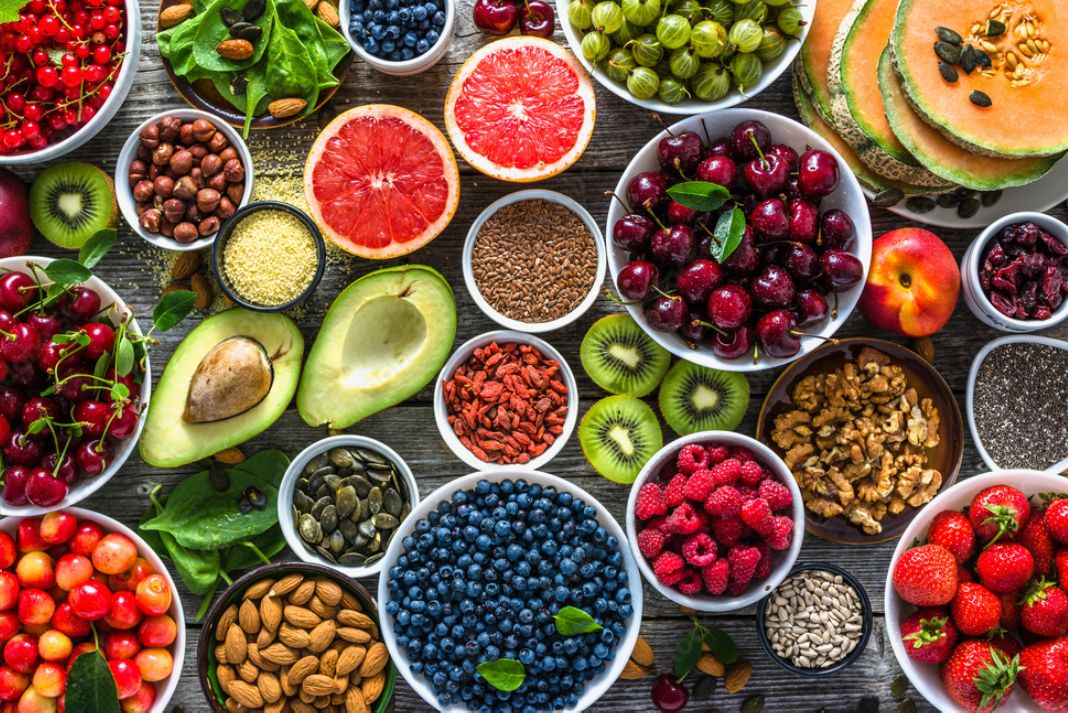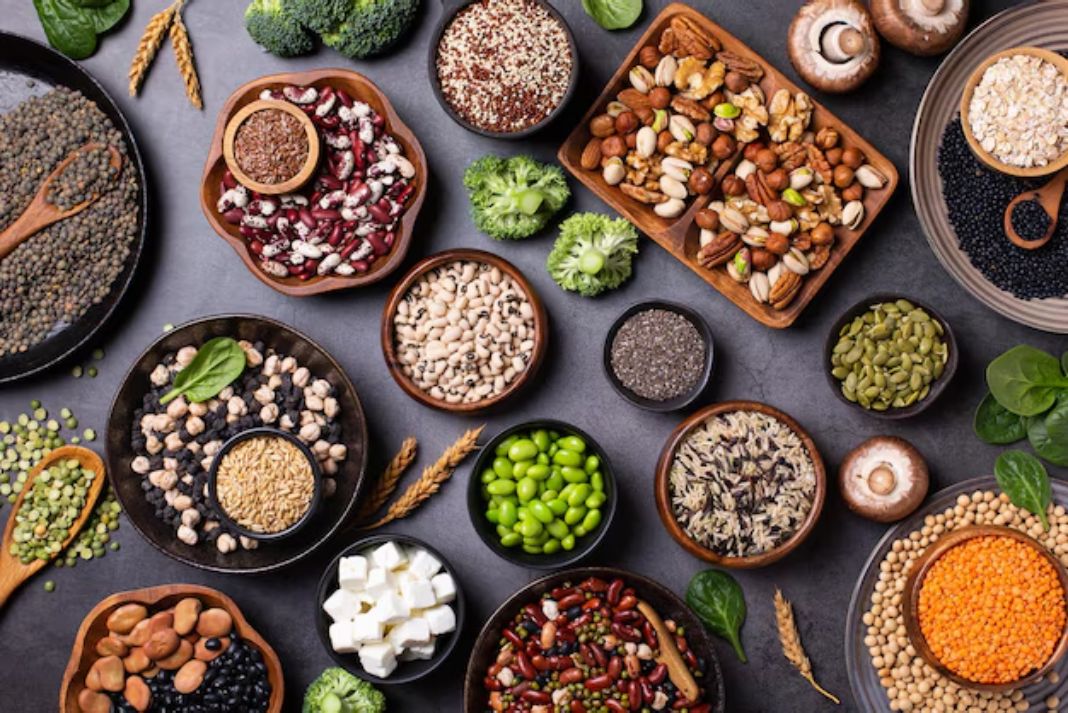

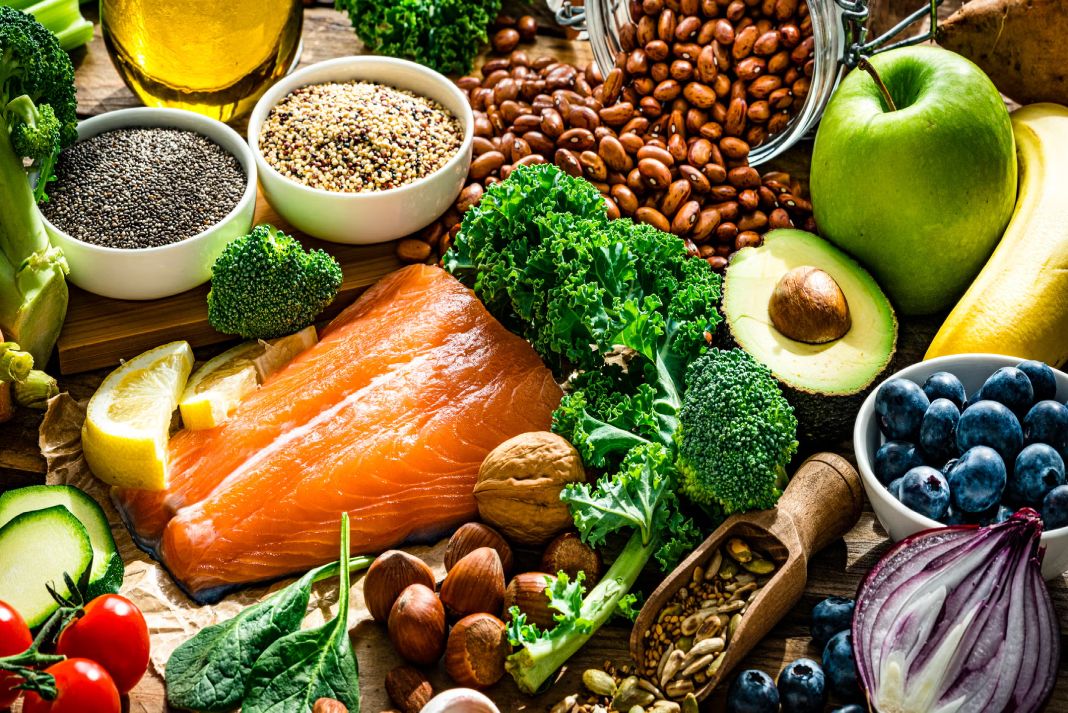
Superfood” is mostly a marketing label. The real win 🏆 comes from a consistent, diverse diet built on regular, nutrient-dense foods—plus a few high-impact add-ons you enjoy and can afford.
🧠 What “Superfood” Really Means
There’s no official scientific definition of “superfood.” It’s an unregulated marketing term used for foods promoted as exceptionally healthy.
Many so-called superfoods are indeed nutrient-dense, but no single food is a cure-all. Consistent dietary patterns matter more than any one ingredient.
💡 Takeaway: prioritize nutrient density (vitamins, minerals, fibre, beneficial fats, bioactives per calorie) and diet quality over hype.
🍚 What Counts as “Regular Food”?
“Regular foods” are your everyday staples: vegetables, fruits, whole grains, legumes, nuts, seeds, dairy/yogurt, eggs, fish/lean meats—usually local, affordable, and widely available. Many are as nutrient-dense as trendy superfoods (and sometimes more).
⚖️ Superfoods vs Regular Foods (At a Glance)
| 🔍 Feature | 🦸 Superfoods | 🍲 Regular Foods |
|---|---|---|
| Definition | Marketing label for “exceptional” foods | Everyday staples, not hyped |
| Science | Variable; often early-stage evidence | Stronger evidence for patterns built on these |
| Cost | Often pricey/exotic | Typically affordable & local |
| Best use | As add-ons | As the foundation of your diet |
| Risk | Overhype, overspend, tunnel vision | Low—if varied and minimally processed |
🛠️ 20 Evidence-Backed Food “Remedies”
Each includes Mechanism 🧪, How to use 👣, Risks ⚠️, and Compare 🔁.
✔️ Use these as habits, not quick fixes. Benefits typically show in 8–12 weeks and keep compounding.
1) 🥬 Dark Leafy Greens (spinach, kale)
🧪 Mechanism: folate, magnesium, vitamin K, carotenoids → antioxidant, vascular, eye & bone support.
👣 Use: 2–3 cups raw or 1–2 cups cooked daily (omelette, dal, sauté, salad).
⚠️ Risks: vitamin K interacts with warfarin; gas if new to higher fibre.
🔁 Compare: darker greens generally beat pale lettuces on carotenoids/K.
2) 🫐 Berries (blueberry, strawberry, raspberry)
🧪 Mechanism: anthocyanins + vitamin C + fibre → oxidative stress & inflammation ↓; potential brain & vascular benefits.
👣 Use: ½–1 cup 4–5×/week (yogurt, oats, snack).
⚠️ Risks: cost; wash well; rare allergies.
🔁 Compare: apples/bananas are great, just lower in anthocyanins.
3) 🐟 Fatty Fish (salmon, sardine, mackerel)
🧪 Mechanism: EPA/DHA omega-3s → triglycerides ↓, anti-inflammatory, heart/brain/eye support.
👣 Use: 100–150 g 2–3×/week.
⚠️ Risks: mercury in some species; fish allergy.
🔁 Compare: flax/chia have ALA; limited conversion to EPA/DHA.
4) 🫘 Legumes (lentil, chickpea, beans)
🧪 Mechanism: fibre + plant protein → glycemic control, LDL ↓, satiety ↑.
👣 Use: ½ cup cooked 3–4×/week (dal, hummus, salads).
⚠️ Risks: gas—soak & go slow.
🔁 Compare: beats refined carbs on fibre, protein, minerals.
5) 🌾 Whole Grains (oats, brown rice, whole-wheat, millets)
🧪 Mechanism: intact bran/germ → fibre + B-vitamins + minerals → glycemic stability, CVD risk ↓.
👣 Use: make ≥50% of grains whole, daily.
⚠️ Risks: gluten sensitivity for some; ease in fibre gradually.
🔁 Compare: refined grains = fewer micros + less fibre.
6) 🥜 Nuts & Seeds (almond, walnut; chia, flax)
🧪 Mechanism: unsaturated fats + fibre + polyphenols → lipids & satiety benefits.
👣 Use: ~30 g nuts or 1–2 Tbsp seeds daily.
⚠️ Risks: allergies; calorie-dense (portion!).
🔁 Compare: far better than ultra-processed snacks.
7) 🫒 Extra-Virgin Olive Oil (EVOO)
🧪 Mechanism: MUFAs + phenolics → anti-inflammatory, improved lipids.
👣 Use: 1–2 Tbsp/day (dressings, light sauté).
⚠️ Risks: calories add up; watch for adulteration.
🔁 Compare: refined seed oils lack phenolic bioactives.
8) 🥣 Fermented Foods (yoghurt, kefir, kimchi)
🧪 Mechanism: probiotics + fermentation metabolites → gut barrier & immune support.
👣 Use: 100–200 g 4–5×/week.
⚠️ Risks: hygiene; choose low-sugar, moderate-salt options.
🔁 Compare: plain dairy ≠ probiotic benefit.
9) 🍵 Green Tea
🧪 Mechanism: catechins (EGCG) → antioxidant & metabolic effects.
👣 Use: 2–3 cups/day (unsweetened).
⚠️ Risks: caffeine; extracts at high dose can stress liver—stick to tea.
🔁 Compare: lower caffeine than coffee; higher catechins than black tea.
10) 🥑 Avocado (or MUFA-rich swaps)
🧪 Mechanism: MUFA + fibre + potassium → satiety, lipid profile.
👣 Use: ~½ fruit 3–4×/week.
⚠️ Risks: calories; price in some regions.
🔁 Compare: fruit usually lacks healthy fats—avocado fills that gap.
11) 🥦 Cruciferous Veg (broccoli, cauliflower)
🧪 Mechanism: glucosinolates → isothiocyanates with detox/anticarcinogenic activity; fibre, C, K.
👣 Use: ½ cup cooked 3–4×/week.
⚠️ Risks: gas; go easy if thyroid issues—cook well.
🔁 Compare: adds unique sulphur-bioactives vs many veg.
12) 🧄 Garlic & Onions (Alliums)
🧪 Mechanism: organosulfur compounds → antimicrobial, vascular benefits.
👣 Use: 2–3 cloves/day in cooking.
⚠️ Risks: breath/odor; stomach irritation raw.
🔁 Compare: flavour + function—better bioactive profile than most aromatics.
13) 🌕 Turmeric (curcumin + black pepper)
🧪 Mechanism: curcumin → NF-κB modulation, antioxidant; absorption ↑ with pepper/fat.
👣 Use: ½–1 tsp powder daily in meals.
⚠️ Risks: interactions with anticoagulants at high dose.
🔁 Compare: more studied anti-inflammatory spice than most.
14) 🌱 Chia/Flax/Sesame
🧪 Mechanism: ALA omega-3 + fibre → lipids & BP improvements; minerals.
👣 Use: 1 Tbsp chia or 2 Tbsp ground flax daily.
⚠️ Risks: take with fluids; rare allergies.
🔁 Compare: pumpkin/sunflower great, but lower ALA.
15) 🍄 Mushrooms (button, oyster, shiitake)
🧪 Mechanism: beta-glucans + ergothioneine → immune & antioxidant support.
👣 Use: 100–150 g cooked 2–3×/week.
⚠️ Risks: avoid wild unless expert; spoilage risk.
🔁 Compare: unique compounds not common in other veg.
16) 🍠 Sweet Potato
🧪 Mechanism: beta-carotene, fibre, potassium → micronutrients + steadier glycemia vs white potato.
👣 Use: 1 medium 2–3×/week.
⚠️ Risks: watch portions; potassium if kidney issues.
🔁 Compare: more micronutrients than many refined carb sides.
17) 🍫 Dark Chocolate (≥70% cocoa)
🧪 Mechanism: cocoa flavanols → endothelial function, BP/insulin sensitivity.
👣 Use: ~20 g 3–4×/week.
⚠️ Risks: sugar/cals; caffeine sensitivity.
🔁 Compare: miles better than milk chocolate nutritionally.
18) 🥚 Eggs
🧪 Mechanism: complete protein + choline + lutein/zeaxanthin.
👣 Use: 4–6 per week (boiled/poached/omelette).
⚠️ Risks: FH or severe dyslipidemia—personalize with clinician.
🔁 Compare: broader micronutrient spread than many proteins.
19) 🌈 Colourful Veg (tomato, carrot, red pepper)
🧪 Mechanism: carotenoids + vitamin C + polyphenols → immune/skin/eye support.
👣 Use: 2–3 servings/day across meals.
⚠️ Risks: minimal; reflux with raw tomato for some.
🔁 Compare: pigment = phytochemical diversity.
20) 🧉 Live-culture Yogurt / Fermented Dairy
🧪 Mechanism: protein + calcium + probiotics → gut & immune support.
👣 Use: 150–200 g daily or EOD (unsweetened).
⚠️ Risks: lactose intolerance; added sugar in flavored cups.
🔁 Compare: milk lacks live cultures; yogurt improves satiety, too.
🗓️ A Practical Weekly Routine (Template)
| Day | 🍳 Breakfast | 🍽️ Lunch | 🍎 Snack | 🌙 Dinner |
|---|---|---|---|---|
| Mon | Spinach omelette + whole-grain toast | Brown rice + dal + broccoli | Berries + nuts | Salmon + sweet potato + salad |
| Tue | Oats + flax + yogurt | Millet roti + chickpea curry + veg | Dark choc + green tea | Chicken (or chana) + veggies + yogurt |
| Wed | Yogurt smoothie (berries + chia) | Quinoa/millet bowl + avocado | Carrot sticks + hummus | Sardines + brown rice + crucifers |
| Thu | Whole-grain cereal + nuts | Lentil soup + salad + bread | Nuts + green tea | Veg curry + brown rice + curd |
| Fri | Eggs + onions/garlic | Fish + roasted veg + sweet potato | Berries + seeds | Dal khichdi + salad |
| Sat | Whole-grain pancakes + chia | Big salad (leafies, avocado, nuts, EVOO) | Dark choc + tea | Mushroom stir-fry + legumes |
| Sun | Veg omelette + toast | Roast chicken/bean casserole + veggies | Fruit + seeds | Bean burger + sweet-potato wedges + yogurt |
🧩 Prep hacks: soak legumes on weekends, batch-cook grains, chop colourful veg, keep yogurt + berries + nuts ready.
🧑⚕️ Expert Notes (Plain-English)
Don’t chase unicorns 🦄. Even the most hyped “superfood” won’t fix an unbalanced diet.
Patterns > products. A plate full of plants, quality proteins, and good fats—most days—wins over time.
Progress beats perfection. 8–12 weeks of consistency typically shows up in energy, digestion, and basic markers.
🧾 Summary Tables
🧩 Table A — “Super” vs “Regular”
| Superfoods | Regular Foods | |
|---|---|---|
| Label | Unregulated hype term | Everyday staples |
| Evidence | Often early-stage | Strong for dietary patterns |
| Cost | Often higher | Usually lower |
| Role | Sprinkle on top | Core foundation |
🧺 Table B — The 20 Food Habits (Cheat-Sheet)
| # | Food | Key Benefit | Quick Use |
|---|---|---|---|
| 1 | Leafy greens | Carotenoids, K, fibre | Daily salad/sauté |
| 2 | Berries | Anthocyanins | ½–1 cup 4–5×/wk |
| 3 | Fatty fish | EPA/DHA | 2–3×/wk |
| 4 | Legumes | Fibre + protein | 3–4×/wk |
| 5 | Whole grains | Fibre + B-vits | Make ≥50% whole |
| 6 | Nuts & seeds | Healthy fats | 30 g daily |
| 7 | EVOO | MUFAs + phenolics | 1–2 Tbsp/day |
| 8 | Fermented foods | Probiotics | 4–5×/wk |
| 9 | Green tea | Catechins | 2–3/day |
| 10 | Avocado | MUFAs + fibre | ½ fruit 3–4×/wk |
| 11 | Crucifers | Glucosinolates | 3–4×/wk |
| 12 | Alliums | Organosulfurs | Daily |
| 13 | Turmeric | Curcumin | ½–1 tsp/day |
| 14 | Chia/Flax | ALA + fibre | 1–2 Tbsp/day |
| 15 | Mushrooms | Beta-glucans | 2–3×/wk |
| 16 | Sweet potato | Carotene + K | 2–3×/wk |
| 17 | Dark chocolate | Flavanols | 20 g 3–4×/wk |
| 18 | Eggs | Protein + choline | 4–6/wk |
| 19 | Colourful veg | Carotenoids + C | 2–3/day |
| 20 | Yogurt | Protein + probiotics | 150–200 g/day |
❓ FAQ
1) ⏱️ How long till I notice benefits?
8–12 weeks is a realistic horizon for digestion, energy, basic blood markers. Long-term risk reduction is about years of consistent habits.
2) 💊 Are natural foods as effective as meds?
No. Foods complement—not replace—appropriate medication. Work with your clinician.
3) 🧪 Are powders/supplements as good as whole foods?
Whole foods offer fibres + complex matrices that powders rarely match. If you supplement, do it intentionally.
4) 🛒 Are superfoods worth the price?
Sometimes, but local regular foods often deliver equal or better nutrient value at lower cost.
5) 🧂 Ultra-processed foods—how bad are they?
They’re typically low in nutrient density and easy to overeat. Prioritize minimally processed foods most of the time.
6) 🧍♀️ Any key risks with these habits?
Allergies (nuts/fish), medication interactions (high-dose turmeric/garlic), and calories (nuts, chocolate, avocado). Personalize!
⚠️ Disclaimer
This content is educational and not medical advice. If you have conditions (e.g., diabetes, kidney disease), allergies, or take prescription meds, consult a qualified professional before making significant dietary changes.