
🧬 The Science of the Gut-Skin Axis
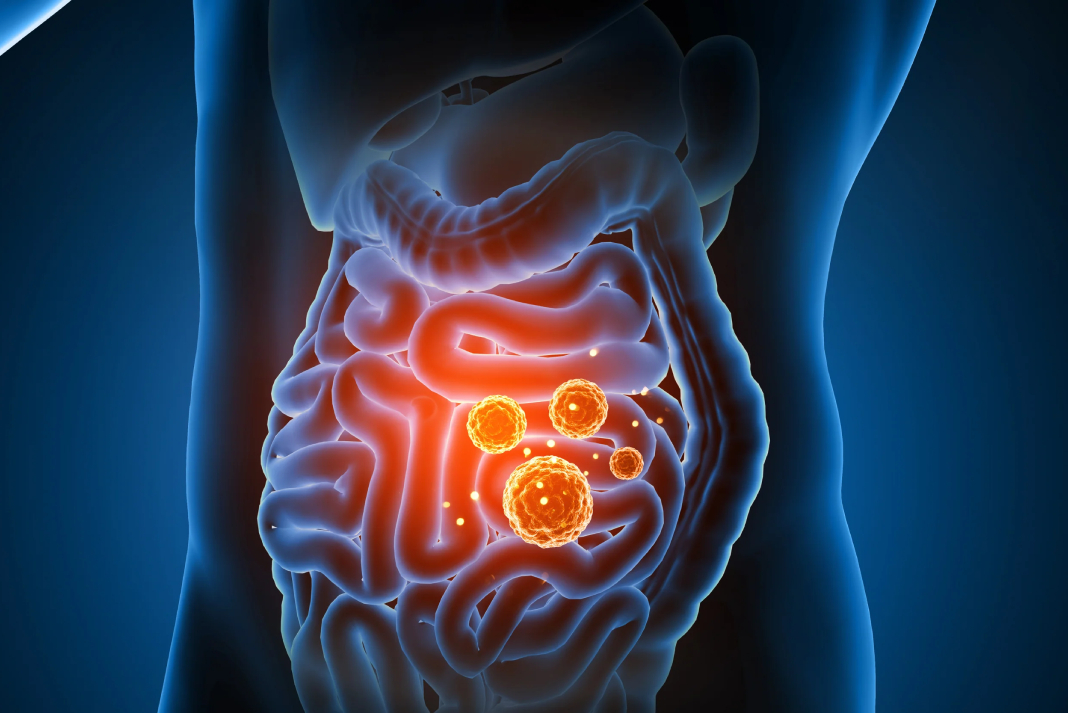
Your skin doesn’t just reflect your skincare — it mirrors your gut. Scientists now recognize a powerful two-way communication channel called the gut-skin axis. Whether you’re struggling with acne, eczema, rosacea, or premature aging, your digestive system may hold the key.
The gut houses trillions of microbes, many of which are responsible for producing anti-inflammatory compounds, synthesizing nutrients like biotin, vitamin K, and B12, and even regulating immune responses that affect the skin.
📌 Clinical Insight: Studies show up to 34% of acne patients also suffer from gut dysfunction (J Clin Aesthet Dermatol, 2016).
🔍 How the Gut Affects the Skin: A Mechanistic Breakdown
| Gut Function | Impact on Skin | Example |
|---|---|---|
| Microbiome Balance | Regulates inflammation & barrier function | Dysbiosis linked to acne, rosacea |
| Nutrient Absorption | Affects skin regeneration | Low zinc = poor wound healing |
| Toxin Elimination | Prevents systemic inflammation | Leaky gut triggers immune overreaction |
| Neurotransmitters | Modulates stress response via brain-skin axis | Gut serotonin affects skin flare-ups |
🧪 Study: Gut microbial imbalance increases systemic inflammation, leading to skin barrier dysfunction (Frontiers in Microbiology, 2018).
🥗 20 Science-Backed Remedies to Improve Gut & Skin Health
Each remedy below includes mechanisms, step-by-step use, risks, comparisons, and citations.
1. Probiotic-Rich Foods (Yogurt, Kefir, Sauerkraut)
✅ Mechanism: Introduces beneficial bacteria that reduce gut inflammation and oxidative stress.
🧪 Study: J Drugs Dermatol, 2014 – oral probiotics reduced acne lesions by 40%.
🔄 How to Use:
1 cup of kefir or yogurt daily
2 tbsp sauerkraut with meals
⚠️ Risks: Avoid if immunocompromised.
2. Prebiotics (Chicory Root, Garlic, Onion, Bananas)
✅ Mechanism: Feed good bacteria, promoting butyrate production and barrier repair.
🔄 How to Use:
Add 1 tsp inulin to smoothies
1 banana/day or cooked onion/garlic in meals
📚 Study: Nutrients, 2019
⚠️ Risks: May cause bloating initially.
3. Bone Broth
✅ Mechanism: Rich in collagen, glycine, and glutamine to repair leaky gut lining.
🔄 How to Use:
1 cup warm bone broth, 5x/week
📚 Study: Nutrients, 2017
⚠️ Risks: High in sodium.
4. L-Glutamine Supplement
✅ Mechanism: Aids gut lining repair and reduces inflammation.
🔄 How to Use:
5 g powder on empty stomach, 1–2x/day
📚 Study: Int J Mol Sci, 2020
⚠️ Risks: Use under supervision if diabetic or sensitive to amino acid supplements.
5. Zinc (Food or Supplement)
✅ Mechanism: Antibacterial and anti-inflammatory, supports gut and skin immunity.
🔄 How to Use:
15–30 mg elemental zinc/day
Food: Pumpkin seeds, lentils, eggs
📚 Study: Dermatol Ther, 2018
⚠️ Risks: Excess = nausea, copper deficiency
6. Omega-3 Fatty Acids (Fish Oil, Flaxseed)
✅ Mechanism: Modulates gut bacteria and reduces systemic inflammation.
🔄 How to Use:
1 tbsp flaxseed oil/day or 1,000 mg fish oil
📚 Study: Lipids Health Dis, 2016
⚠️ Risks: May thin blood at high doses.
7. Aloe Vera Juice
✅ Mechanism: Anti-inflammatory, aids digestion and heals gut lining.
🔄 How to Use:
1/4 cup juice in morning
📚 Study: Phytotherapy Research, 2010
⚠️ Risks: Choose decolorized, avoid latex-containing aloe.
8. Fermented Miso or Tempeh
✅ Mechanism: Boosts microbial diversity and improves digestion.
🔄 How to Use:
Add 1 tbsp miso to soups (avoid boiling)
📚 Study: Nutrients, 2020
⚠️ Risks: High in sodium.
9. Turmeric (Curcumin)
✅ Mechanism: Modulates gut microbiota and reduces inflammatory markers.
🔄 How to Use:
500–1,000 mg curcumin with black pepper extract
📚 Study: Gut Microbes, 2019
⚠️ Risks: May irritate the stomach at high doses.
10. Licorice Root (DGL Form)
✅ Mechanism: Soothes mucosal lining and reduces stomach inflammation.
🔄 How to Use:
380 mg DGL chewable before meals
📚 Study: Biomed Pharmacother, 2015
⚠️ Risks: Avoid whole licorice if hypertensive.
11. Ginger Root
✅ Mechanism: Improves gastric motility, reduces bloating, and modulates gut-brain inflammation.
🔄 How to Use:
1 tsp grated fresh ginger in warm water before meals
Or 500 mg capsule 2x/day
📚 Study: World Journal of Gastroenterology, 2011
⚠️ Risks: May cause heartburn in sensitive individuals.
12. Triphala (Ayurvedic Herbal Blend)
✅ Mechanism: Enhances digestion, promotes bowel regularity, and balances gut microbiota.
🔄 How to Use:
500 mg to 1 g capsule at bedtime
📚 Study: Indian Journal of Pharmaceutical Sciences, 2007
⚠️ Risks: Not recommended during pregnancy or for those with diarrhea.
13. Green Tea (EGCG)
✅ Mechanism: Rich in catechins that reduce oxidative stress, support microbiota diversity, and improve skin elasticity.
🔄 How to Use:
2–3 cups daily or 250 mg EGCG supplement
📚 Study: Molecules, 2019
⚠️ Risks: May interfere with iron absorption.
14. Psyllium Husk
✅ Mechanism: Acts as a prebiotic, supports stool regularity, and prevents constipation-linked skin flares.
🔄 How to Use:
1 tsp mixed in water 1–2x/day
📚 Study: Nutrients, 2017
⚠️ Risks: Always take with water to avoid choking risk.
15. Marshmallow Root
✅ Mechanism: Mucilage-rich; coats intestinal lining and calms irritation.
🔄 How to Use:
1 tsp dried root in tea, 2x/day
📚 Study: Journal of Ethnopharmacology, 2011
⚠️ Risks: May affect blood sugar levels; consult before surgery.
16. Berberine
✅ Mechanism: Antimicrobial, reduces gut dysbiosis, improves insulin sensitivity (linked to acne).
🔄 How to Use:
500 mg capsule 2–3x/day
📚 Study: Frontiers in Cellular and Infection Microbiology, 2019
⚠️ Risks: Do not combine with antibiotics or use during pregnancy.
17. Digestive Enzymes
✅ Mechanism: Aid nutrient absorption, prevent undigested food fermentation (which feeds bad bacteria).
🔄 How to Use:
1 capsule with each major meal
📚 Study: World Journal of Gastroenterology, 2007
⚠️ Risks: Choose enzyme blend with plant-based sources for sensitive individuals.
18. Collagen Peptides
✅ Mechanism: Supports gut barrier integrity and skin elasticity through amino acids like glycine and proline.
🔄 How to Use:
10 g collagen powder daily in smoothies or coffee
📚 Study: J Med Nutr Nutraceut, 2019
⚠️ Risks: Sourced from fish/bovine; avoid if allergic.
19. Slippery Elm
✅ Mechanism: Rich in mucilage; soothes irritated gut lining and improves bowel consistency.
🔄 How to Use:
1 tsp slippery elm powder in warm water, 1–2x/day
📚 Study: Clinical Nutrition Insights, 2001
⚠️ Risks: May interfere with absorption of medications. Take 1 hour apart.
20. Magnesium Citrate
✅ Mechanism: Supports bowel regularity, reduces constipation-linked toxin buildup.
🔄 How to Use:
200–400 mg/day with food
📚 Study: Nutrients, 2020
⚠️ Risks: High doses can cause loose stools.
🧠 Expert Quotes on the Gut-Skin Connection
🩺 Dr. Whitney Bowe, MD (Board-Certified Dermatologist):
“A healthy gut is one of the most powerful tools in our anti-acne and anti-aging toolkit. I recommend probiotic foods and gut-supportive herbs regularly.”
📚 Source
🧬 Dr. Raphael Kellman, MD (Integrative Gut Health Expert):
“The microbiome controls inflammation — and inflammation controls everything from breakouts to wrinkles.”
📚 Source
🧪 Dr. Alan Logan (Author, “The Clear Skin Diet”)
“Dairy and refined carbs affect gut bacteria, which in turn triggers inflammatory responses in the skin.”
📚 Study
📅 Structured Routine: Daily Gut-Skin Ritual
| Time of Day | Activity | Example |
|---|---|---|
| 🌅 Morning | Probiotic + lemon water | Kefir + lemon water with L-glutamine |
| 🍽️ Meals | Prebiotic + enzyme | Garlic in meals, 1 enzyme capsule |
| ☕ Midday | Anti-inflammatory drink | Green tea or turmeric latte |
| 🌙 Night | Gut-soothing herbs | Triphala or slippery elm before bed |
| 🛌 Weekly | Collagen + magnesium | 10g collagen + 300mg magnesium |
📊 Summary Table: Top Remedies Comparison
| Remedy | Key Benefit | Use Frequency | Caution |
|---|---|---|---|
| Probiotics | Balance gut microbiome | Daily | Avoid in immune-compromised |
| Glutamine | Repairs gut lining | Daily | Monitor if diabetic |
| Triphala | Bowel regularity | Night | May cause loose stools |
| Omega-3s | Reduces inflammation | Daily | Blood-thinning |
| Licorice Root (DGL) | Gut soothing | Pre-meal | Avoid if hypertensive |
❓ FAQ Section: Gut-Skin Health
Q1. How long does it take for gut health changes to affect the skin?
A: Visible skin improvements can begin within 2–6 weeks of consistent gut-healing practices.
Q2. Can gut health really cure acne or eczema?
A: While not a “cure,” studies show reduced flare-ups when gut inflammation is managed.
Q3. Are probiotics better than antibiotics for acne?
A: Probiotics may offer long-term skin balance with fewer side effects. Antibiotics disrupt gut flora.
Q4. Can stress disrupt both gut and skin?
A: Yes — the brain-gut-skin axis shows psychological stress alters gut bacteria and worsens acne.
Q5. Is leaky gut real and does it cause skin issues?
A: Emerging research suggests increased gut permeability can trigger immune responses linked to skin inflammation.
Q6. Is dairy bad for gut and skin?
A: For many, yes. Dairy may trigger gut dysbiosis and hormonal acne.
Q7. Which is better: prebiotics or probiotics?
A: Both are important. Probiotics add bacteria, prebiotics feed them.
Q8. Can children follow this gut-skin protocol?
A: Under pediatric guidance, mild options like probiotics and fiber-rich foods are safe.
⚠️ Disclaimer
This article is for informational purposes only. It does not substitute medical advice. Always consult with a qualified healthcare provider before starting any supplement or diet change, especially if pregnant, breastfeeding, or managing chronic illness.
📢 Final Takeaway
Your gut isn’t just digesting food — it’s managing inflammation, hormones, and even your complexion. Healing your gut can mean healing your skin from the inside out. From simple kitchen remedies to expert-backed supplements, the gut-skin axis offers a clear path to lasting skin health.