

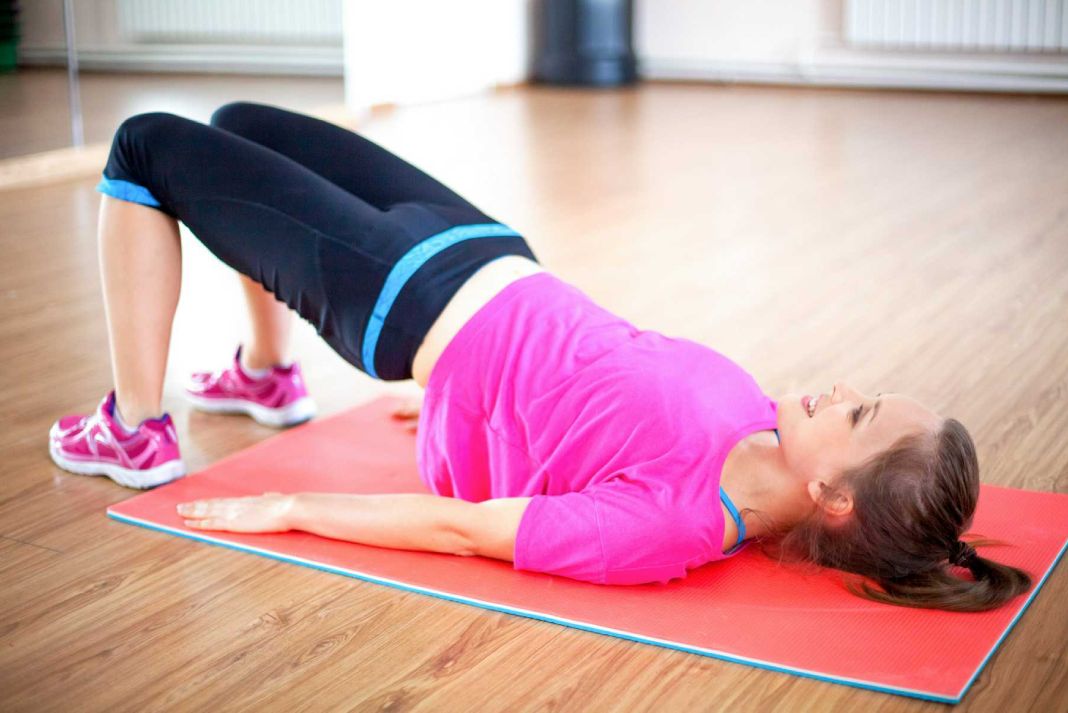
Pelvic floor exercises (often called Kegels) are one of the simplest yet most powerful ways to strengthen your body from the inside out. Whether you’re recovering after childbirth, managing urinary incontinence, improving sexual function, or supporting core stability — your pelvic floor matters.
Let’s dive into a full, expert-approved guide — built for real results 💪
💡 Why the Pelvic Floor Matters
Your pelvic floor is a hammock-like group of muscles and ligaments that support your bladder, uterus or prostate, and bowel.
When strong, it helps you:
🚽 Stay dry and control your bladder and bowels
❤️ Improve sexual satisfaction and performance
🧍 Maintain posture and spine support
🧘 Prevent organ prolapse and manage internal pressure
When weak, the same muscles can cause leaks, pain, and discomfort. The great news? Targeted exercises can often reverse or prevent many of these problems.
🧠 Understanding Your Pelvic Floor
Your pelvic floor is made up of several layers of muscles including the levator ani (pubococcygeus, puborectalis, and iliococcygeus).
These muscles:
Support pelvic organs
Tighten to stop urine or stool
Relax to allow voiding
Coordinate with your diaphragm and core muscles to manage pressure
When they lose tone (due to pregnancy, surgery, aging, obesity, or inactivity), you may notice leakage or heaviness. When they’re too tight, you might feel pelvic pain or urinary urgency.
So, a “strong” pelvic floor doesn’t mean it’s always tense — it means it’s responsive and balanced.
⚙️ How Pelvic Floor Exercises Work
Pelvic floor muscle training (PFMT) strengthens and re-educates your muscles using three proven mechanisms:
Muscle strengthening: Regular contractions lead to muscle fiber growth and improved closure strength.
Neuromuscular retraining: Improves your brain’s ability to engage and relax these muscles automatically.
Structural support: Stronger muscles and connective tissue elevate pelvic organs, reducing prolapse risk.
Scientific reviews confirm that PFMT improves bladder control, reduces urinary leakage, and enhances quality of life — all without surgery.
📚 Scientific & Clinical Evidence
Major health authorities support PFMT as a first-line treatment:
The American College of Physicians recommends Kegel exercises and bladder training as primary therapy for urinary incontinence.
MedlinePlus notes that consistent practice (3× daily, 10-second holds) typically shows results within 4–6 weeks.
Post-prostate surgery patients who begin PFMT early regain continence faster.
A BMC Women’s Health review found PFMT works through measurable strength, timing, and coordination improvements.
In short: PFMT works, it’s safe, and it’s backed by decades of data.
🧰 20 Proven Techniques and Remedies
Each technique below includes how it works, how to use it, and any cautions.
Kegels (Classic PFMT)
Squeeze and lift your pelvic muscles for 3–10 seconds, relax for equal time. Do 8–12 reps, 3 sets/day.
✅ Builds strength and control
⚠️ Over-squeezing can cause fatigue or painBiofeedback Training
Sensors show you when you’re contracting correctly.
✅ Improves accuracy and learning
⚠️ Requires a professional device or therapistElectrical Stimulation
Gentle current triggers contractions — great if you can’t engage muscles on your own.
⚠️ Avoid with pacemakers or during pregnancyVaginal Cones or Weights
Insert a small weight and hold it in place by tightening muscles.
✅ Builds endurance
⚠️ Not for prolapse or active infectionsPessaries (Support Devices)
Used under medical supervision to support prolapse and reduce strain.Hypopressive Breathing
Diaphragmatic breathing with gentle core lift — strengthens pelvic reflexes.Pilates Integration
Pair PFMT with core stability moves like bridges or leg lifts for better real-life strength.Resistance + Cardio Combo
Weight training + cardio improves circulation and muscle tone.Functional Training
Practice “The Knack” — squeeze before coughing, lifting, or sneezing.Bladder Behavior Retraining
Space bathroom visits every 2–3 hours, avoid “just-in-case” peeing.Weight Management
Reduces pelvic pressure and improves outcomes.Constipation Management
Eat fiber (25–30 g/day), hydrate, and avoid straining.Menopause Support (Estrogen Therapy)
Local estrogen can improve tissue tone — ask your doctor.Manual Therapy
Helps release overactive or tight muscles through gentle internal work.Yoga & Mindful Breathing
Reduces pelvic tension and improves awareness.Laser Therapy (Experimental)
May tighten tissue but lacks long-term data.Magnetic Stimulation (Chair Therapy)
Magnetic pulses trigger contractions passively.App-Based Coaching
Mobile reminders increase consistency and accuracy.Antenatal (Pregnancy) PFMT
Safe during pregnancy (with guidance) and reduces postpartum leaks.Post-Surgery PFMT
Key after prostate or pelvic surgery to speed recovery.
🗓️ 12-Week Routine to Strengthen Your Pelvic Floor
Weeks 1–2: Learn correct technique. 3 sets of 5 holds (3–5s each), twice daily.
Weeks 3–4: Increase to 8 holds (5s each), plus 10 quick squeezes.
Weeks 5–6: 10s holds, 3 sets × 10 reps; add standing exercises.
Weeks 7–8: Integrate into daily life — contract before lifting or coughing.
Weeks 9–10: Mix long and short holds, start gentle resistance training.
Weeks 11–12: Maintain — 3 sets daily + quick pulses for endurance.
💬 Expect visible improvement in 4–6 weeks and major progress by 12 weeks.
🧑⚕️ Expert Insights
“Kegel exercises are first-line therapy for urinary incontinence in women.” — American College of Physicians
“PFMT strengthens muscle and timing—key to continence and organ support.” — BMC Women’s Health, 2022
“Early post-prostate PFMT improves continence recovery.” — Systematic Reviews, 2023
❓ Top FAQs
1. How long until I see results?
Usually 4–6 weeks, with full benefit in 3 months.
2. Can I overdo Kegels?
Yes. Over-training can cause tightness or pelvic pain.
3. Do men benefit?
Absolutely! PFMT helps post-prostate surgery and improves sexual health.
4. Can I do this during pregnancy?
Yes — with your provider’s clearance.
5. What if it’s too hard to find the right muscles?
See a pelvic floor physiotherapist or use biofeedback.
6. Are gadgets necessary?
Not at all — correct form and consistency matter more.
🧾 Quick Summary
| Goal | Key Action | Duration | Notes |
|---|---|---|---|
| Build awareness | Learn correct muscles | 1–2 weeks | Guided practice helps |
| Gain strength | Daily Kegels | 3–6 weeks | Expect early changes |
| Improve endurance | Add holds & real-life cues | 6–10 weeks | Integrate “the knack” |
| Maintain | 10–15s holds + daily habit | 3–6 months | Lifelong benefit |
🚩 When to See a Specialist
See a pelvic floor physiotherapist if you experience:
Pelvic pain or pressure
Difficulty relaxing muscles
Prolapse symptoms (heaviness, bulge)
Post-surgery recovery concerns
🧭 Key Takeaways
Pelvic floor exercises are safe, accessible, and science-backed.
Consistency and correct technique matter most.
Combine with lifestyle changes (hydration, posture, weight management).
Expect measurable results within 6–12 weeks.
⚠️ Disclaimer
This article is for educational purposes only. It does not substitute professional medical advice, diagnosis, or treatment. Always consult a qualified pelvic health physiotherapist, gynecologist, or urologist before starting pelvic floor exercises — especially if you are pregnant, postpartum, post-surgery, or have pelvic pain, prolapse, urinary leakage, or any chronic medical condition.