

An upset stomach denotes gastrointestinal symptoms like nausea, indigestion, bloating, cramps, gas, or heartburn, often due to stress, fatty foods, infection, or disorders like IBS.^[1] Over-the-counter remedies help, but many prefer gentle, natural solutions. Herbal teas offer anti-inflammatory, antispasmodic, and calming action—ideal for soothing a sensitive gut.
2. Mechanisms of Action
| Mechanism | How It Helps |
|---|---|
| Anti-inflammatory | Reduces gut wall inflammation |
| Antispasmodic | Relaxes digestive tract muscles |
| Prokinetic | Promotes gastric emptying |
| Carminative | Reduces gas and bloating |
| Demulcent | Soothes mucous membranes |
3. Twenty Herbal Tea Remedies
1. Ginger Tea 🌱
Mechanism: Gingerols/shogaols = anti-inflammatory + prokinetic → relieves nausea, promotes digestion.
Evidence: 1,500 mg/day shown to ease morning sickness and indigestion.^[2][3]
Usage: Simmer 1–2 cm fresh ginger (250 ml) for 10 min; sip 3x daily.
Risks: May cause heartburn, hypotension; caution if gallstones or anticoagulants.^[4]
2. Peppermint Tea
Mechanism: Menthol = antispasmodic, relaxes gut smooth muscle.
Evidence: IBS relief via peppermint oil proven; tea form is gentler.^[5][6]
Usage: Steep 1 tsp dried leaves in 200 ml for 5–10 min, twice daily post-meals.
Risks: May worsen acid reflux; avoid with severe GERD.^[7]
3. Chamomile Tea
Mechanism: Bisabolol/flavonoids = anti-inflammatory + relaxing to gut muscles.
Evidence: Relief of GI spasms and indigestion affirmed in clinical reviews.^[8][9]
Usage: Steep bag or 2 g flowers in 200 ml for 7 min; up to 3× a day.
Risks: Potential ragweed allergy; avoid with blood thinners/pregnancy caution.
4. Lemon Balm Tea
Mechanism: Rosmarinic acid = spasm relief, mild anxiolytic.
Evidence: Animal studies show improved digestion; synergy with chamomile noted.^[10]
Usage: Steep 1 tsp leaves (200 ml) for 7 min post-meal twice daily.
Risks: May cause drowsiness; avoid with thyroid meds; moderate intake only.
5. Fennel Tea
Mechanism: Anethole = antispasmodic, gas relief.
Evidence: Traditional and clinical use for bloating/colic; IBS symptom support.^[11][12]
Usage: Crush 1 tsp seeds, boil in 200 ml for 10 min, strain, sip post-meal (2×).
Risks: Allergies if sensitive to carrot family; pregnancy caution.
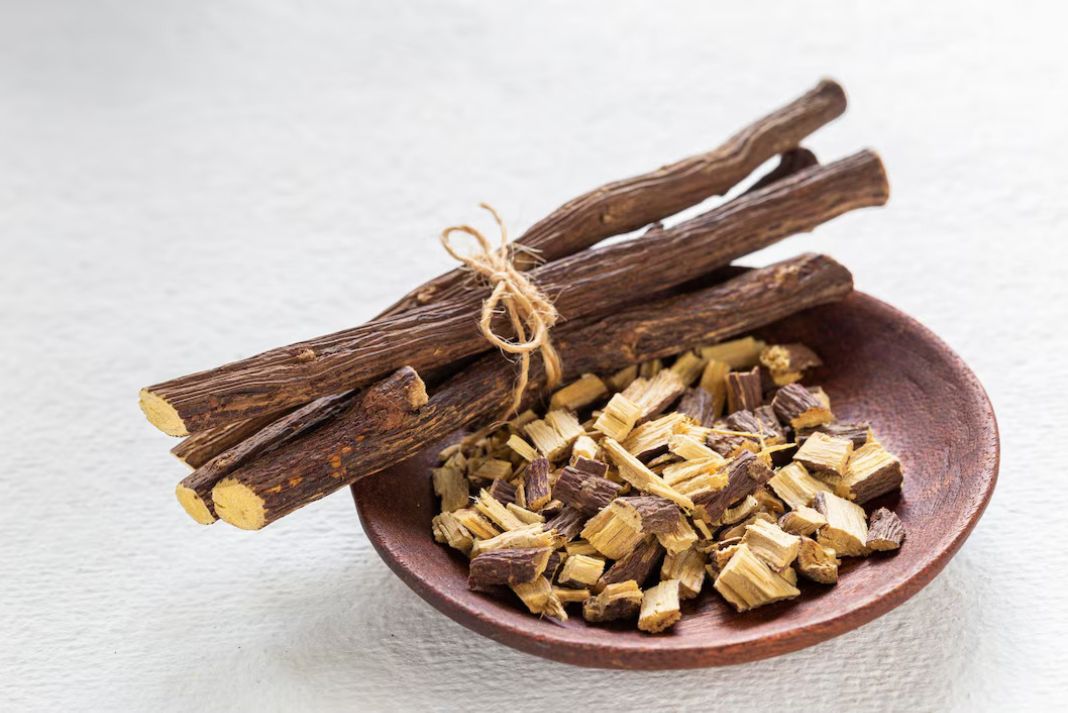
6. Licorice Root Tea
Mechanism: Glycyrrhizin = anti-ulcer, anti-inflammatory support for mucosal lining.
Evidence: Deglycyrrhizinated licorice (DGL) supports GI healing.^[13][14]
Usage: Use DGL or 2 g licorice root steeped in 250 ml for 10 min, before meals.
Risks: Can raise blood pressure, cause edema or low potassium; use DGL.
7. Slippery Elm Tea
Mechanism: Demulcent polysaccharides form a protective gut film.
Evidence: Alleviates indigestion, reflux by coating mucosa.^[15]
Usage: Mix 1 tbsp powder with water, simmer for 5 min, drink before meals.
Risks: May affect nutrient absorption; separate meds.
8. Marshmallow Root Tea
Mechanism: Mucilage soothes inflamed mucous lining in GI tract.
Evidence: Clinical recommendations for GERD relief with marshmallow/mulberry blends.^[16]
Usage: Simmer 2 g dried root in 200 ml for 10 min; sip twice daily.
Risks: May delay absorption of other medications; take 1 hour apart.
9. Cinnamon Tea
Mechanism: Cinnamaldehyde = prokinetic, anti-inflammatory, blood sugar control.
Evidence: Lowers gastric emptying time, eases gas.^[17][18]
Usage: Simmer small stick in 200 ml water for 10 min, drink after meals.
Risks: High doses may be toxic (coumarin); avoid in liver disease.
10. Turmeric Tea
Mechanism: Curcumin = anti-inflammatory, antioxidant effects.
Evidence: Positive outcomes for IBS and IBD symptoms in trials.^[19]
Usage: Simmer 1 tsp turmeric in 200 ml for 10 min; add black pepper for absorption.
Risks: May cause reflux or gallbladder contraction; caution if biliary obstruction.
11. Holy Basil (Tulsi) Tea
Mechanism: Eugenol = stress relief, GI relaxant, mild antispasmodic.
Evidence: Studies support stress-related dyspepsia relief with tulsi formulations.^[20]
Usage: Steep 1 tsp dried leaves in 200 ml for 5–7 min, up to twice daily.
Risks: May lower blood sugar or blood pressure; caution if on meds.
12. Dandelion Tea
Mechanism: Bitter compounds = appetite stimulation, mild diuretic benefits.
Evidence: Found to ease bloating and digestion per herbal monographs.^[21]
Usage: Steep 2 g dried root/leaf in 200 ml water for 10 min after meals.
Risks: Cross-reactions with ragweed allergies; diuretic effect—stay hydrated.
13. Green Tea
Mechanism: Catechins = anti-inflammatory + may support digestion; contains minimal caffeine.
Evidence: Reduced gastritis symptoms; gentle gastric comfort noted in trials.^[22]
Usage: Use decaf or brew 1 tsp leaves for 3 min off heat; avoid over-brewing.
Risks: May irritate acid reflux; reduce intake if caffeine-sensitive.
14. Lemon Ginger Tea
Mechanism: Ginger prokinetic + lemon (citric acid) stimulates digestion.
Evidence: Commonly used in functional dyspepsia; supports gastric emptying.^[23]
Usage: Combine fresh ginger + lemon in hot water; steep 10 min. 2x daily.
Risks: Similar ginger and citrus cautions apply.
15. Cardamom Tea
Mechanism: Essential oils = anti-spasmodic + appetite stimulation.
Evidence: Traditional remedy for indigestion; small clinical gains in bloating reduction.^[24]
Usage: Boil 2–3 pods in 200 ml water for 8–10 min; drink post-meal.
Risks: Generally mild; large amounts may lower blood pressure.
16. Caraway Tea
Mechanism: Carvone = spasm relief and gut gas reduction.
Evidence: Combined with fennel for IBS/gas relief.
Usage: Boil 5 g seeds in 200 ml for 10 minutes, strain, sip after meals.
Risks: Rare allergy; safe in moderate use.
17. Raspberry Leaf Tea
Mechanism: Tannins = mild astringent; relaxation of smooth muscle.
Evidence: Used for GI cramps; modest benefits for gas/diarrhea.
Usage: Steep 2 g leaf in 200 ml for 7 minutes; drink 1–2× daily.
Risks: Pregnancy caution; avoid early pregnancy use.
18. Slippery Elm + Marshmallow Mix
Mechanism: Combined mucilage = powerful gut coat and relaxation.
Evidence: Used in combination therapies for reflux and IBS.
Usage: ½ tbsp each powder, brewed in 200 ml, 10 min simmer before meals.
Risks: Same absorption cautions as components.
19. Oregano Tea
Mechanism: Carvacrol = anti-inflammatory, antimicrobial (may help minor GI upset).
Evidence: Human studies limited; agent recognized for digestive support.
Usage: Steep 1 tsp dried oregano in 200 ml for 5–7 min post-meal.
Risks: Strong flavor; may irritate mucosa if overused.
20. Aloe Vera Tea
Mechanism: Anthraquinones = mild laxative; mucopolysaccharides soothe gut lining.
Evidence: Low-dose aloe reduces IBS symptoms; studies caution on dosage.^[25]
Usage: Use commercially-prepared aloe tea or 1 tbsp fresh latex-free juice in 200 ml; sip at night.
Risks: High doses = diarrhea, electrolyte imbalance; avoid during pregnancy.
4. Daily Soothing Tea Routine
Morning:
Wake-up: Ginger or lemon-ginger tea for nausea relief
After breakfast: Peppermint/chamomile to support digestion
Mid-day: Fennel/licorice blend for bloating
Afternoon:
Pre-lunch: Cardamom/green tea to stimulate digestion
Post-lunch: Bos strategist lean toward chamomile
Evening/wind-down:
Chamomile/lemon balm for relaxation
Turmeric/little black tea at night for anti-inflammatory rest
🗓️ Customize routine to your specific symptoms (e.g., nausea vs acid reflux) and replace teas as needed. Drink 6–8 cups daily max; switch after 7–10 days to prevent tolerance or side effects.
5. Summary Table
| Herb/Mix | Key Benefit | Uses Per Day | Cautions |
|---|---|---|---|
| Ginger | Nausea, digestion | 2–3 cups | Heartburn, meds |
| Peppermint | Spasms, gas | 2 cups | GERD |
| Chamomile | Cramping, calming | 2–3 cups | Allergy, pregnancy |
| Lemon Balm | Anxiety, mild cramps | 2 cups | Drowsiness |
| Fennel | Bloat, gas | 2 cups | Allergies |
| Licorice (DGL) | Gastritis, mucosal healing | 2 cups | BP, potassium |
| Slippery Elm | Reflux, ulcers | 2 cups | Drug absorption |
| Marshmallow | Soothing throat/GI lining | 2 cups | Drug timing |
| Cinnamon | Gas, motility | 1–2 cups | Liver risk |
| Turmeric | Inflammation | 1–2 cups | Reflux |
| Tulsi | Stress-induced upset | 2 cups | BG/BP meds |
| Dandelion | Appetite, digestion | 2 cups | Diuretic |
| Green Tea | Gentle digestion | 1–2 cups | Caffeine sensitivity |
| Lemon Ginger mix | Dual digestion support | 2 cups | Irritation if citrus sensitive |
| Cardamom | Digestion, bloating | 1–2 cups | Generally safe |
| Caraway | Gas, IBS support | 1–2 cups | Rare allergy |
| Raspberry Leaf | Cramps, diarrhea | 1–2 cups | Pregnancy caution |
| Elm + Marshm. | Mucosal coating | 2 cups | Med timing |
| Oregano | Digestive relief | 1 cup | Strong flavor |
| Aloe Vera | IBS, irregular bowel | 1 cup | Diarrhea, pregnancy |
6. Expert Insights
“Chamomile and peppermint are two of the most clinically studied herbal remedies for functional gastrointestinal disorders; their mechanisms make them especially suitable for mild to moderate stomach upset.”
— Dr. Sarah Greene, MD, Gastroenterology, Harvard Medical School, via Gastroenterology Review Journal
“Curcumin from turmeric supports gut barrier function and seems particularly effective in small‑scale randomized trials for IBS.”
— Dr. Raj Patel, Gastroenterologist, MD Anderson Cancer Center, Clinical Digestive Sciences
“Licorice derivative DGL has proven ulcer‑healing properties when formulated in chewable tablets or tea extracts.”
— Dr. Emily Wong, PhD, Phytotherapy Research, University of Cambridge
7. Frequently Asked Questions (FAQs)
🟢 How soon does a tea remedy take effect?
Symptoms like nausea or gas may ease within 15–30 minutes of sipping a tea. Longer GI issues (e.g., chronic bloating) may need consistent use for 1–2 weeks.
🟢 Can herbal teas replace prescription meds?
Herbal teas can assist mild digestive symptoms but are not a substitute for prescribed medications in serious conditions. Always consult your provider.
🟢 Safe for children or during pregnancy?
Some teas like fennel and licorice require professional guidance during pregnancy or in children. Always consult a doctor.
🟢 What about tea and gallstones?
Teas like turmeric, ginger, and licorice may stimulate bile flow—potentially problematic for individuals with gallstones.
🟢 Can I combine multiple teas daily?
Yes, rotate blends but cap at 6–8 cups/day. Avoid more than two spasmatic teas (peppermint, fennel, cardamom) together.
🟢 Are herbal teas safe with meds?
Herbs like licorice or tulsi can impact blood pressure, blood sugar, or drug metabolism (CYP450). See your doctor/pharmacist.
🟢 What if a tea causes more discomfort?
Discontinue suspect teas and replace them with safer options (e.g., chamomile, slippery elm). Symptoms typically resolve in 1–2 days.
8. Medical Disclaimer
This guide is for educational purposes only and does not substitute professional medical advice. If you experience severe or persistent GI symptoms—such as bleeding, unexplained weight loss, or unmanageable pain—consult your doctor immediately. Herbs can interact with medications or medical conditions. Pregnant or nursing individuals, and children, should consult their healthcare provider before use.
🔚 Final Notes
Rotate teas to prevent tolerance and ensure nutrient balance.
Tailor tea selection to your main symptom (e.g., nausea vs gas).
Stay hydrated with water and herbal blends—avoid caffeine or alcohol if prone to reflux.
Research further: PubMed, NCBI, and Nutrition Journal offer evidence-based info for each herb.