
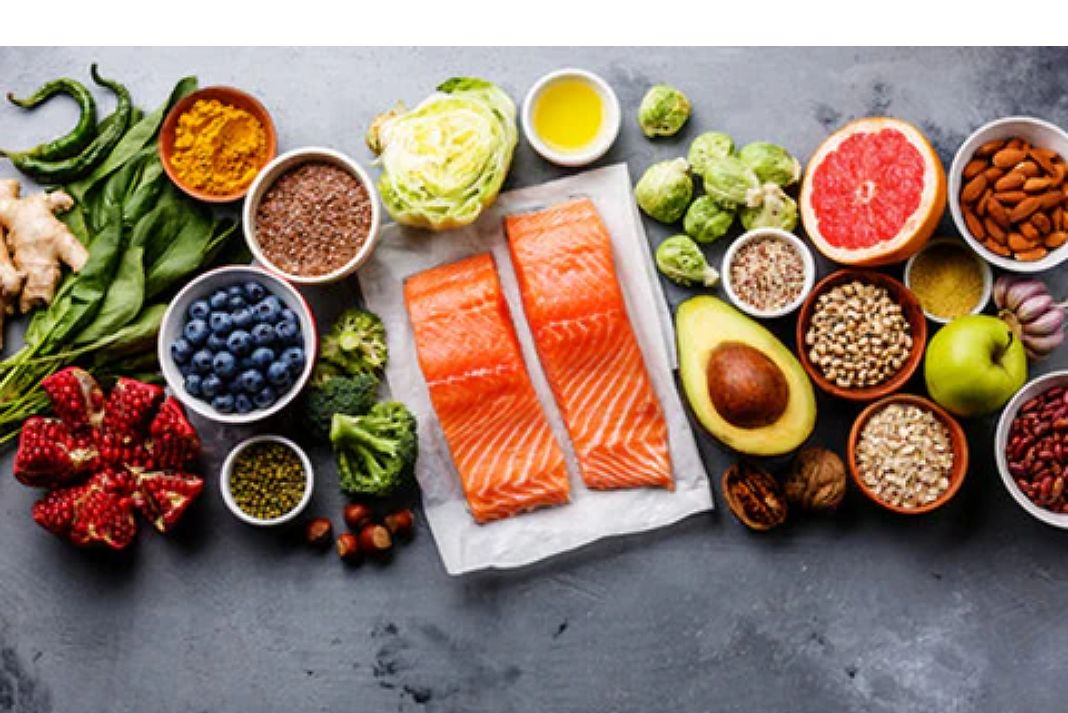
Hormonal shifts (↓ estrogen), slower metabolism, and age-related changes in bone, skin, heart, and gut health mean nutrient density becomes your best friend. The right foods give you protein for muscle, fibres for blood sugar & gut, calcium/Vit-D for bones, and polyphenols/antioxidants for heart, brain, and skin.
🏆 The Big 20: Superfoods That Deliver for 40+ Women
Each card: 🔬 Mechanism • 🧭 How to use • ⚠️ Risks • 🔁 Comparison
1) 🥬 Dark Leafy Greens (kale, spinach, chard)
🔬 Mechanism: Calcium + vitamin K for bone mineralization; carotenoids & nitrates for vascular health; magnesium + folate for cellular metabolism.
🧭 How to use: 2 cups raw (or 1 cup cooked) daily in salads, sautés, or smoothies.
⚠️ Risks: High vitamin K can interact with warfarin; spinach is high in oxalates (kidney stone history—rotate with kale/rocket).
🔁 Comparison: More bone/vascular nutrients than most starchy veg; a daily cornerstone.
2) 🫐 Berries (blueberries, strawberries, raspberries)
🔬 Mechanism: Anthocyanins support endothelial function and reduce oxidative stress; linked to heart health in middle-aged women.
🧭 How to use: ½–1 cup, 4–5×/week (fresh or frozen), in yogurt/oats.
⚠️ Risks: Fruit allergies are rare but possible.
🔁 Comparison: Higher polyphenols than many fruits → top pick for heart/brain/skin.
3) 🐟 Fatty Fish (salmon, sardines, mackerel)
🔬 Mechanism: Marine omega-3s (EPA/DHA) help reduce inflammation, support bone remodeling and heart health.
🧭 How to use: 100–150 g 2×/week; if vegetarian, emphasize ALA seeds + consider algae DHA.
⚠️ Risks: Mercury in large carnivorous fish—favour low-mercury picks (salmon, sardine).
🔁 Comparison: Whole fish > capsules for extra protein, selenium, and vitamin D.
4) 🌾 Flax & Chia Seeds
🔬 Mechanism: ALA omega-3 + lignans (phytoestrogens) support hormone balance, gut health, lipids.
🧭 How to use: 1 Tbsp daily (grind flax; soak chia; drink water).
⚠️ Risks: Add gradually to avoid bloating; caution in bowel strictures.
🔁 Comparison: Plant ALA < marine EPA/DHA conversion, but excellent for fibre + phytoestrogens.
5) 🥦 Cruciferous Veg (broccoli, Brussels sprouts, cauliflower)
🔬 Mechanism: Sulforaphane/indoles aid detox enzymes and estrogen metabolism; fibre supports glycemic control.
🧭 How to use: ½–1 cup 3–4×/week, lightly cooked/steamed or roasted.
⚠️ Risks: Very high raw intake + iodine deficiency may affect thyroid—cook and ensure iodine.
🔁 Comparison: Unique hormone-support compounds vs. most other veg.
6) 🥜 Mixed Nuts & Seeds (almonds, walnuts, pumpkin)
🔬 Mechanism: MUFA/PUFA for heart; magnesium, zinc, selenium for bone, thyroid, and skin.
🧭 How to use: 30 g 4–5×/week as snacks or toppings.
⚠️ Risks: Allergies; calorie-dense—portion matters.
🔁 Comparison: Smarter snack vs. chips; broader micronutrients than single-nut focus.
7) 🫘 Legumes (lentils, beans, chickpeas)
🔬 Mechanism: Fibre + plant protein improve satiety, gut health, insulin response; iron & B-vitamins aid energy.
🧭 How to use: ½–1 cup cooked ≥3×/week in dals, hummus, soups, salads.
⚠️ Risks: Gas/bloating—soak, rinse, and introduce slowly.
🔁 Comparison: Lower sat fat + higher fibre than most meats; pair with vitamin C veg for iron uptake.
8) 🌾 Whole Grains (oats, quinoa, barley, brown rice)
🔬 Mechanism: Soluble + insoluble fibre for glycemic control and gut health; magnesium & B-vitamins support energy metabolism.
🧭 How to use: Make ½ of grains whole; oats/quinoa at breakfast/lunch; 2–3 servings/day.
⚠️ Risks: Gluten sensitivity—use GF options (oats labeled GF, brown rice, quinoa).
🔁 Comparison: Whole > refined for fibre, micronutrients, satiety.
9) 🍊 Citrus & Rainbow Veg (orange, red pepper, sweet potato)
🔬 Mechanism: Vitamin C for collagen; carotenoids (β-carotene) for skin/eyes; potassium for BP.
🧭 How to use: 1 portion daily; rotate colours.
⚠️ Risks: Grapefruit interacts with some meds—check labels.
🔁 Comparison: Complements greens by bringing vitamin C and carotenoids.
10) 🥣 Yogurt/Kefir (or fortified plant yogurts)
🔬 Mechanism: Probiotics support gut-immune-hormone axis; protein + calcium (often Vit-D-fortified).
🧭 How to use: 150–200 g 4–5×/week; choose unsweetened.
⚠️ Risks: Lactose intolerance—opt lactose-free or fortified plant-based with live cultures.
🔁 Comparison: Fermented > non-fermented for probiotic benefits.
11) 🥑 Avocado & Other MUFA-Rich Foods (olive oil)
🔬 Mechanism: MUFAs improve lipids/inflammation; vitamin E + lutein for skin & eyes; fibre for satiety.
🧭 How to use: ½ avocado or 1 Tbsp olive/avocado oil daily on salads/toasts.
⚠️ Risks: Calorie-dense; watch portions.
🔁 Comparison: MUFA > saturated fats for midlife heart health.
12) 🍠 Sweet Potato & Orange Veg
🔬 Mechanism: β-carotene → vitamin A for skin/immune; potassium for BP; fibre for digestion.
🧭 How to use: 1 medium 2–3×/week; roast/steam with spices.
⚠️ Risks: Manage portions if diabetic; avoid sugary glazes.
🔁 Comparison: More micronutrients than white potatoes.
13) 🍄 Mushrooms (esp. vitamin-D enhanced)
🔬 Mechanism: Vitamin D (UV-exposed types), B-vitamins, selenium, ergothioneine antioxidants for bone/immune/cellular defense.
🧭 How to use: 100–150 g 2–3×/week; seek “UV-exposed” labels or sun-expose sliced mushrooms 10–15 min before cooking.
⚠️ Risks: Only eat known edible species; some meds interactions—check if on warfarin.
🔁 Comparison: Unique vitamin D advantage vs. most veg.
14) 🍵 Green Tea
🔬 Mechanism: EGCG polyphenols aid endothelial function and calm chronic inflammation; gentle caffeine.
🧭 How to use: 2–3 cups/day, unsweetened; between meals (iron absorption).
⚠️ Risks: Caffeine sensitivity; may reduce iron absorption if taken with meals.
🔁 Comparison: Lower stimulation than coffee; more polyphenols than most soft drinks.
15) 🧡 Turmeric (curcumin)
🔬 Mechanism: Curcumin modulates NF-κB and inflammatory cytokines; joint, skin, and metabolic support.
🧭 How to use: ½–1 tsp daily in curries, soups; add black pepper/fat to boost absorption.
⚠️ Risks: High doses may upset stomach or interact with anticoagulants; gallbladder disease—ask your doctor.
🔁 Comparison: A standout spice for anti-inflammatory support.
16) 🍫 Dark Chocolate (≥70% cacao)
🔬 Mechanism: Flavanols support endothelial function; magnesium for muscle/nerve; mood benefits.
🧭 How to use: 20–30 g 3–4×/week; pair with berries or nuts.
⚠️ Risks: Calories & caffeine; choose low-sugar options.
🔁 Comparison: Far better than sugary desserts for nutrients + satisfaction.
17) 🍅 Tomatoes (lycopene)
🔬 Mechanism: Lycopene is a powerful antioxidant; supports skin/vascular health; heat increases bioavailability.
🧭 How to use: 4–5×/week raw or cooked; sauces/soups are great.
⚠️ Risks: Can aggravate reflux in some.
🔁 Comparison: Different carotenoid profile vs. orange veg — complimentary duo.
18) 🍲 Bone Broth / Collagen-Rich Dishes
🔬 Mechanism: Glycine/proline for collagen synthesis; minerals for bone/joints; soothing to gut.
🧭 How to use: 250 ml 2–3×/week; use as soup base or sip warm.
⚠️ Risks: Prepare safely; can be high in histamine for sensitive folks.
🔁 Comparison: Adds structural amino acids you won’t get in high amounts from most plant dishes.
19) 🎃 Pumpkin Seeds & Seed Mixes
🔬 Mechanism: Magnesium (sleep, bones), zinc (skin/hormones), iron, plant protein.
🧭 How to use: 1 Tbsp 3–4×/week on salads, yogurt, soups.
⚠️ Risks: Calorie-dense; allergy risk.
🔁 Comparison: Broader micronutrient coverage than many snacks.
20) ☀️ UV-Exposed Mushrooms (extra Vitamin D)
🔬 Mechanism: D2/D3 supports bone, immune, and mood—nutrient of concern in midlife.
🧭 How to use: 100–150 g 2–3×/week; still consider blood tests for D status.
⚠️ Risks: Don’t rely on mushrooms alone if deficient—talk to your clinician about supplements.
🔁 Comparison: A practical, food-first Vitamin D bump.
📊 Quick-Glance Summary Table
| 🥗 Food (Group) | 🌟 Why It Helps | 🔁 How Often |
|---|---|---|
| 🥬 Leafy greens | Calcium, Vit-K, carotenoids → bones & vessels | Daily |
| 🫐 Berries | Anthocyanins → heart/brain/skin | 4–5×/week |
| 🐟 Fatty fish | EPA/DHA → bones/heart/inflammation | 2×/week |
| 🌾 Flax/chia | ALA + lignans → hormones/gut | Daily (1 Tbsp) |
| 🥦 Crucifers | Sulforaphane/indoles → estrogen metabolism | 3–4×/week |
| 🥜 Nuts/seeds | MUFA/PUFA + Mg/Zn/Se → heart/skin/sleep | 4–5×/week |
| 🫘 Legumes | Fibre + protein → satiety/glycemia | ≥3×/week |
| 🌾 Whole grains | Fibre + B-vits → metabolism/gut | 2–3/day |
| 🍊 Colorful produce | Vit-C/β-carotene/K⁺ → skin/BP | Daily |
| 🥣 Yogurt/kefir | Probiotics + protein/Ca → gut/bone | 4–5×/week |
| 🥑 MUFA foods | Lipids/inflammation → heart/skin | Daily |
| 🍠 Orange veg | β-carotene → skin/immune | 2–3×/week |
| 🍄 Mushrooms (Vit-D) | D + antioxidants → bone/immune | 2–3×/week |
| 🍵 Green tea | EGCG → vessels/inflammation | 2–3 cups/day |
| 🧡 Turmeric | Curcumin → joints/skin | Daily |
| 🍫 Dark chocolate | Flavanols/Mg → mood/vessels | 3–4×/week |
| 🍅 Tomatoes | Lycopene → skin/vessels | 4–5×/week |
| 🍲 Bone broth | Collagen aa + minerals → joints/skin | 2–3×/week |
| 🎃 Pumpkin seeds | Mg/Zn/Fe → bones/hormones/sleep | 3–4×/week |
| ☀️ UV mushrooms | Extra Vitamin D | 2–3×/week |
🗓️ Your Easy Routine
🌞 Daily
Breakfast: Oats or quinoa + 🫐 berries + 1 Tbsp 🌾 flax/chia; 🍵 green tea
Snack: 🥜 Small nut/seed mix handful
Lunch: 🥬 Leafy-green bowl + 🫘 legumes + 🍅 tomatoes + 🥑 avocado; 🥣 yogurt/kefir (unsweetened)
Snack (optional): 🍵 Green tea; 🍫 dark chocolate square
Dinner: Rotate 🐟 fatty fish (2×/week) or 🍄 mushrooms + 🥦 crucifers + 🍠 sweet potato; season with 🧡 turmeric
Night (2–3×/week): 🍲 bone broth mug
📅 Weekly Targets
🐟 Fish 2× • 🥦 Crucifers 3–4× • 🍠 Orange veg 2–3× • 🍅 Tomato 4–5×
🫐 Berries 4–5× • 🥣 Fermented dairy/plant 4–5× • 🥜 Nuts/Seeds 4–5×
🫘 Legumes ≥3× • 🌾 Whole grains daily • 🍵 Green tea 2–3 cups/day
🧡 Turmeric daily • ☀️ UV-exposed mushrooms or sunlight-exposed slices 2–3×
🧑⚕️ Expert Voices
“A higher anthocyanin intake is associated with reduced heart attack risk in middle-aged women; mechanisms include antioxidant, anti-inflammatory, and ACE-inhibitory effects.” — Cassidy et al. (2013). Circulation. Read
“Marine ω-3 PUFAs can promote bone formation and inhibit bone resorption; higher levels associate with higher BMD and lower fracture risk.” — Ali et al. (2024). Marine Drugs. Read
“Diet in menopausal women should emphasize plant foods, quality proteins, calcium, and vitamin D to support bone, metabolic, and immune health.” — Review (2021). Nutrients. Read
🧪 “How-To” Deep Dives (Mechanisms & Mini Guides)
Collagen Support Stack 🧩
Why: Collagen synthesis needs vitamin C (🍊 citrus, 🌶️ red pepper), glycine/proline (🍲 broth), and protein (🐟 fish/🫘 legumes).
How: Pair tomato-rich meals + bone broth 2–3×/week and include a vitamin-C side (citrus/pepper).
Watchouts: Broth isn’t a full protein source; keep daily protein targets.
Bone Health Trio 🦴
Why: Bone needs calcium (🥬 greens, 🥣 yogurt), vitamin D (☀️ UV mushrooms; sun; supplements if advised), magnesium (🎃 seeds).
How: Greens or yogurt at lunch; UV-exposed mushrooms with dinner 2–3×/week; seeds as snack.
Watchouts: If on blood thinners, keep vitamin-K intake consistent and inform your clinician.
Insulin & Satiety Playbook ⚖️
Why: Fibre + protein blunts glucose spikes and curbs cravings.
How: Combine whole grains + legumes + healthy fat at lunch; fruit with yogurt instead of juice; green tea between meals.
Watchouts: Add fibre gradually; hydrate.
🧯 Risks & Side-Effects (At a Glance)
Anticoagulants (e.g., warfarin): steady vitamin-K intake (🥬 greens) and coordinate with your doctor.
GERD: tomatoes/citrus/chocolate may aggravate symptoms—adjust timing/amounts.
Allergies/intolerances: dairy, nuts, seeds—choose suitable swaps.
Histamine sensitivity: bone broth/ferments may trigger symptoms—trial cautiously.
Iron: take green tea between meals to avoid impairing iron absorption.
❓ FAQ
1) ⏱️ How long until I notice benefits?
Digestion/energy: 2–8 weeks
Lipids/BP/skin texture: 8–12+ weeks
Bone density: months to years (steady diet + exercise + medical care)
2) 🌿 Are natural foods as effective as meds?
They support treatment but don’t replace prescribed therapy (e.g., osteoporosis, diabetes). Work with your clinician.
3) 🍽️ Can I just eat two “superfoods” and be done?
Diversity is key. No single food covers protein, fibre, omega-3s, vitamins, and minerals together.
4) 💊 If I supplement Vitamin D or omega-3s, do I still need these foods?
Yes. Whole foods deliver fibres, peptides, and phytonutrients supplements can’t.
5) 🥗 Vegan/vegetarian?
Use legumes, tofu/tempeh, nuts/seeds, whole grains, fortified plant yogurts; add algae-based DHA for marine omega-3 equivalence.
6) ⚖️ Can you overdo “good” foods?
Absolutely (nuts/chocolate/avocado are calorie-dense). Portion sizes + balance matter.
7) 🧂 What about sodium?
Prefer minimally processed foods; season with herbs/spices (turmeric!), lemon, and measured salt.
8) 🏋️♀️ What else boosts results?
Strength training 2–3×/week, daily walking, 7–8 h sleep, stress care, and routine health checks.
🧾 Mini Shopping List
🥬 Kale/spinach/chard • 🫐 Frozen mixed berries • 🐟 Salmon/sardines
🌾 Oats/quinoa • 🫘 Lentils/chickpeas • 🥣 Plain yogurt/kefir (or fortified plant)
🥑 Avocado • 🥦 Broccoli/Brussels • 🍅 Tomatoes • 🍠 Sweet potatoes
🎃 Pumpkin seeds + 🌾 ground flax/chia • 🍄 UV-exposed mushrooms • 🍵 Green tea
🧡 Turmeric • 🍊 Oranges/red peppers • 🍫 Dark chocolate (≥70%)
⚠️ Medical Disclaimer
This article is educational and not a substitute for personalized medical advice. If you take prescription medications (especially blood thinners), have chronic conditions (osteoporosis, diabetes, thyroid disease), or food allergies, consult your clinician or a registered dietitian before making dietary changes.
💬 Final Word
Midlife is a power phase—and your plate can be your superpower. Build your days around these foods, track how you feel, tweak portions, and pair nutrition with movement and sleep. You’ve got this. 🌟💪