
👋 Why Your Gut Will Love This
Bloating, sluggish digestion, or that “tight” belly after meals? Essential oils can complement a smart diet and lifestyle by easing spasms, supporting motility, and helping you relax. They’re not a cure and not a replacement for medical care, but they can be a gentle, feel-good add-on. ✨
🧠 How They Help (in plain English)
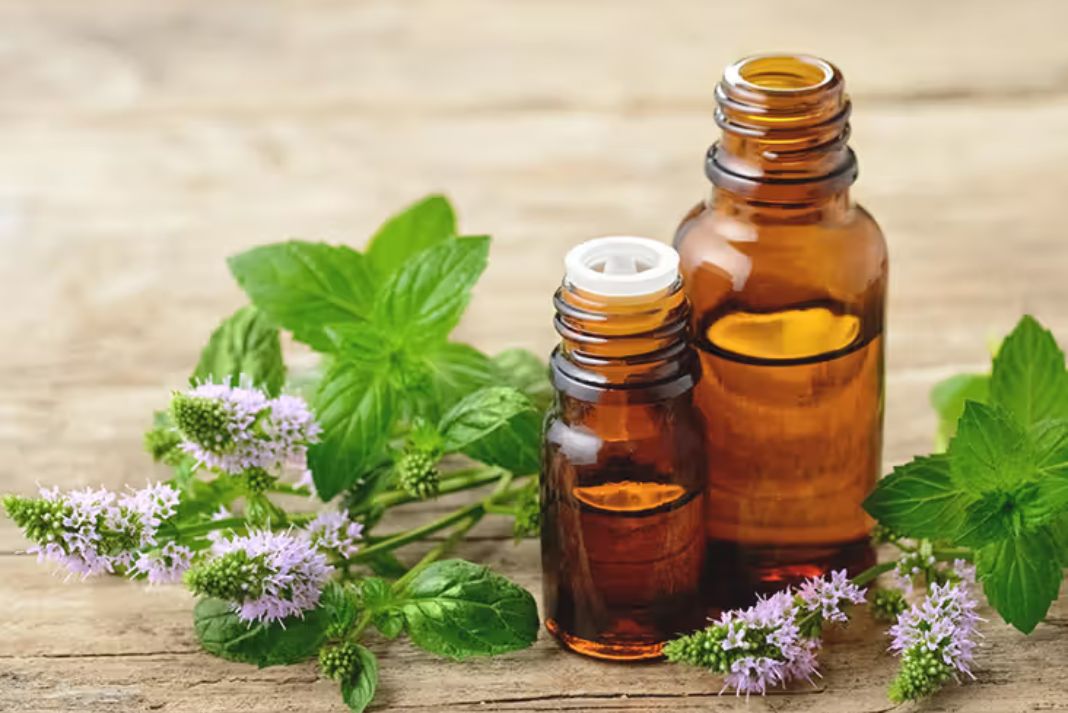
Soothe spasms 🌀: Oils like peppermint relax smooth muscle in the gut, easing cramping and urgency.
Tame nausea 🤢➡️🙂: Ginger can calm the stomach and support gastric emptying.
Reduce gas & bloat 🎈: Fennel and cardamom are classic carminatives.
Calm the gut–brain axis 🧘: Lavender or vetiver reduce stress-related belly tension.
Support balance ⚖️: “Hotter” oils (e.g., oregano, thyme, clove) are antimicrobial and best used cautiously and short-term.
🏆 Top 10 Gut-Friendly Oils (at a glance)
| 🌿 Oil | Best For | How to Use | Heads-Up |
|---|---|---|---|
| 🍃 Peppermint | IBS cramps, urgency | Enteric-coated capsule before meals; or inhale | Can trigger reflux if not enteric-coated |
| 🌶️ Ginger | Nausea, slow emptying | Inhale 1–3 drops on tissue; 1% belly massage | May irritate sensitive skin undiluted |
| 🌱 Fennel | Gas, bloat | 1% clockwise belly massage | Caution in hormone-sensitive conditions |
| 🍋 Lemon | Post-meal heaviness | Diffuse 2–3 drops; 1% massage | Phototoxic—avoid sun after use |
| 🌿 Coriander | Digestive enzymes | 1% belly massage; diffuse | Keep doses low |
| 🌼 Chamomile (German/Roman) | Spasms, “nervous stomach” | 1% massage; diffuse at night | Ragweed allergy caution |
| 🪵 Cardamom | Fullness, belching | 1% massage; inhale | Gentle and versatile |
| 🌿 Lavender | Stressy gut | Diffuse 3–4 drops; 1% chest/neck | Mainly for calming (indirect gut help) |
| 🌿 Rosemary | Heavy meals, bile flow | 1% upper-right abdomen massage | Stimulating; avoid late at night |
| 🌶️ Oregano (advanced) | Short-term microbial reset | Only under pro guidance; brief use | Very hot/irritating; drug-interaction risk |
💡 Dilution cheat-sheet:
1% = 1 drop EO per 5 mL (1 tsp) carrier oil.
Good carriers: fractionated coconut, sweet almond, jojoba.
🧪 Quick, Ready-to-Use Blends (beginner-friendly)
1) “De-Bloat Belly Rub” 🤍
Fennel 3 drops + Cardamom 2 drops + Ginger 1 drop
Dilute into 30 mL carrier (≈1% overall).
How: Massage clockwise (right → up → left → down) for 3–5 min after meals.
When: Up to 2×/day as needed.
2) “Calm & Digest Diffuser” 🌙
Lavender 3 + Lemon 2 + Ginger 1 (or Cardamom 1)
How: Diffuse 15–20 min before dinner.
Why: Relaxes nerves + gently primes digestion.
3) “After-Big-Meal Support” 💪
Rosemary 2 + Coriander 2 + Lemon 1
Dilute to 1% and massage over upper-right abdomen (liver/bile area) for 2–3 min.
Note: Use daytime (rosemary can be stimulating); avoid sun for 12–24 h due to citrus.
4) “Nausea Rescue Inhaler” 🚑
Ginger 5 + Peppermint 3 + Lemon 2 on cotton wick in an inhaler tube.
How: 2–3 slow inhales, as needed (not all day).
Tip: Great for travel or motion sickness.
⏱️ A Simple 7-Day Gut Routine
Morning (7–9am) 🌅
10 min Lemon diffusion while you stretch or prep breakfast.
Optional: If your clinician okays it, enteric-coated peppermint capsule 20–30 min before first meal.
Midday (12–2pm) 🕛
After lunch: 3-min De-Bloat Belly Rub (fennel+cardamom+ginger, 1%).
Short walk 🚶 (10 min) to encourage motility.
Evening (6–9pm) 🌜
Calm & Digest Diffuser during dinner wind-down.
If you overdid fats, try the After-Big-Meal Support blend (1%), quick 2-min massage.
As-needed 📌
Nausea Rescue Inhaler for queasiness or travel days.
Bad bloat day? Add warm compress over belly after the rub for 10 min.
✅ Track wins: Note bloat (0–10), stool pattern, and discomfort daily. Adjust oils weekly.
🧷 Safety & Smarts (read this!)
Never ingest undiluted oils. If internal use is considered, use enteric-coated products or food-grade oils only with pro guidance.
Photosensitivity: Citrus oils (lemon, grapefruit, bergamot) can make skin sun-reactive for 12–24 h.
Sensitive skin? Start at 0.5% dilution.
Cycle your oils (e.g., 5 days on, 2 days off) to reduce sensitization.
Kids, pregnancy, meds: Get personalized medical advice first.
❓ Gut-Health FAQs (fast answers)
1) How fast will I notice changes?
Some feel lighter within days; cramp relief from peppermint may appear in 1–2 weeks. Give blends 2–4 weeks with a symptom log.
2) Can oils replace probiotics or meds?
No. They’re adjuncts. Keep foundations strong: fiber-rich diet, hydration, movement, stress care, and doctor-guided treatment.
3) I have reflux—what should I avoid?
Peppermint can aggravate reflux unless enteric-coated. Prefer ginger, fennel, chamomile topically or by diffusion.
4) Are “hot” oils worth it (oregano, thyme, clove)?
Potentially—in short, supervised stints for specific goals. They’re potent and can irritate, so beginners should focus on gentler options first.
5) Best time to do belly massage?
1 hour after meals for bloat/gas, or evening for relaxation. Always massage clockwise.
6) Can I use them every day?
Yes, at low dilutions and with breaks. Rotate oils weekly to lower sensitivity risk.
🧭 Quick Picks by Symptom
Crampy IBS: 🍃 Peppermint (enteric-coated), 🌼 Chamomile (1% belly rub)
Nausea/queasiness: 🌶️ Ginger inhaler, 🍋 Lemon diffuse
Gas & bloat: 🌱 Fennel + 🪵 Cardamom (1% belly rub)
Stressy belly: 🌿 Lavender / 🌾 Vetiver diffusion
Heavy meals: 🌿 Rosemary + 🍋 Lemon (1% massage; daytime)
🧰 Starter Kit (your minimalist set)
Ginger, Peppermint (enteric-coated), Fennel, Lemon, Lavender
Carrier oil (fractionated coconut or sweet almond)
Empty inhaler + cotton wick, 30 mL roller bottle, label + pen 🏷️
⚠️ Quick disclaimer: Essential oils are potent. Always dilute, patch-test, and talk to your clinician if you’re pregnant, nursing, on meds, or have GI conditions (IBD, GERD, gallstones, ulcers).