

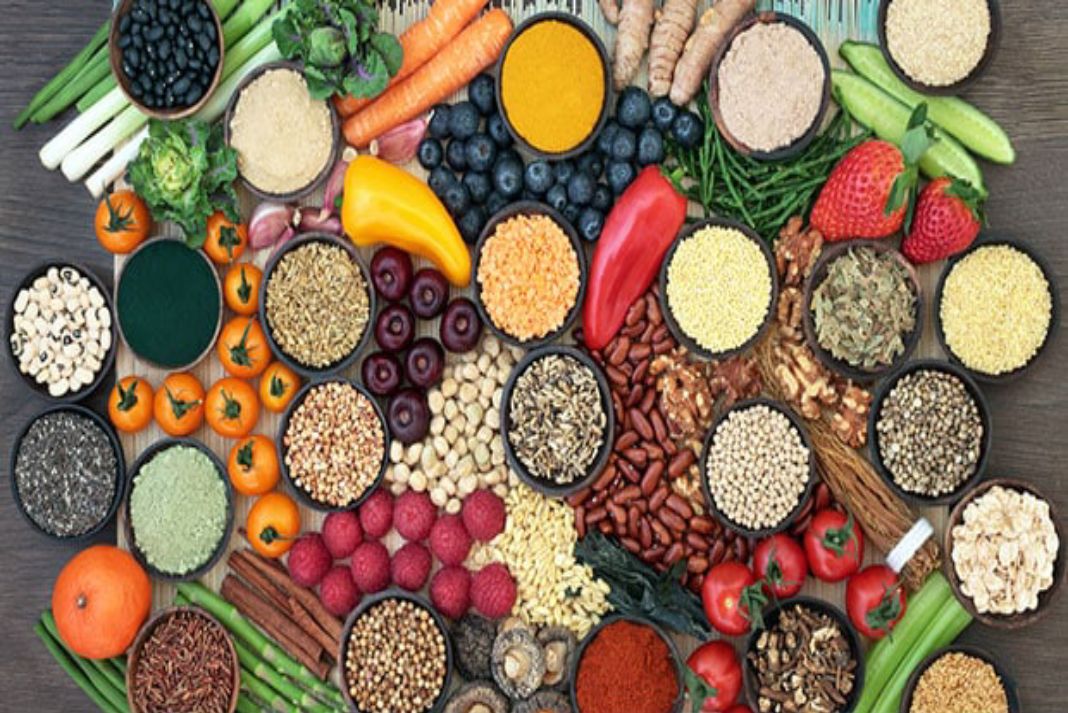
Most lists stop at turmeric and amla—but India’s biodiversity is bursting with regional foods that are affordable, accessible, and nutrient-dense. Many are rich in polyphenols, flavonoids, resistant starch, fiber, and minerals, supporting glycemic control, gut health, cardiometabolic wellness, and skin integrity over time. 🌱
📌 Fast Summary
| # | Superfood | Icon | Top Benefit | Daily Use | Good For |
|---|---|---|---|---|---|
| 1 | Makhana (Lotus seeds) | 🌰 | Low-GI snack, antioxidants | 30–50 g roasted | Weight, sugar |
| 2 | Kodo/Kutki/Kangni (small millets) | 🌾 | Fiber + minerals | Swap 1–2 grain servings | Metabolic health |
| 3 | Barnyard millet | 🍚 | Very low GI | ½–¾ cup cooked | Sugar control |
| 4 | Little millet | 🥣 | Iron, magnesium | Replace rice | Energy, anemia support* |
| 5 | Foxtail millet | 🟡 | Polyphenols | Upma/khichdi | Heart, sugar |
| 6 | Ragi (finger millet) | 🟤 | Calcium + RS | Chapati/porridge | Bones |
| 7 | Gongura leaves | 🌿 | Iron, anthocyanins | 1 cup cooked | Blood, skin |
| 8 | Kalmegh (Andrographis) | 🧪 | Immune/liver support | 0.5–1 g powder | Immunity |
| 9 | Kullakar (red rice) | 🍚🔴 | Flavonoids, slow carb | ½ cup cooked | Post-meal glucose |
| 10 | Curry leaves | 🍃 | Lipids, hair/skin | 5–10 leaves daily | Heart, skin |
| 11 | Ajwain (carom) | 🧂 | Digestive relief | ½ tsp after meals | Bloating |
| 12 | Moringa leaves | 🌿✨ | Micronutrient-dense | 1–2 cups cooked | BP, immunity |
| 13 | Amla | 🟢 | Vitamin-C powerhouse | 1 fruit / 1 tbsp juice | Skin, collagen |
| 14 | Kokum rind | 🍷 | HCA, cooling | In curries/drink | Digestive/weight adjunct |
| 15 | Hemp seeds | 🧴 | Protein + Omegas | 1–2 tbsp | Heart, brain |
| 16 | Mahua flower (dried) | 🌸 | Polyphenols | Herbal tea | Mild tonic |
| 17 | Jackfruit seed flour | 🫘 | Resistant starch | 25% flour swap | Gut, sugar |
| 18 | Jamun seed/pulp | 🫐 | Anthocyanins | 1 tbsp seed pwd / fruit | Glucose |
| 19 | Pueraria tuberosa | 🌱 | Phytoestrogens | 500 mg extract | Women’s health** |
| 20 | Wild mint–tulsi herb | 🌿🫖 | Menthol + eugenol | Leaf infusion | Gut/soothing |
*Dietary iron supports; not a substitute for iron therapy when indicated.
**Avoid with hormone-sensitive conditions unless clinician-approved.
🧬 The 20 Superfoods—Deep-Dive, How-To, Risks & Comparisons
Below, each entry includes: Mechanism ⚙️ → How to Use 👣 → Risks ⚠️ → Comparison ⚔️
1) 🌰 Makhana (Euryale ferox)
Mechanism (Why it works): Low-GI, rich in amino acids, minerals (Mg, Ca), and flavonoids; supports insulin sensitivity and satiety (antioxidant & anti-inflammatory potential).
How to use (Step-by-step):
Dry-roast 30–50 g on low heat; 2) season lightly; 3) snack mid-morning/evening; 4) hydrate well; 5) try porridge with milk/water.
Risks: Too much + butter/masala = calorie creep; ramp fiber slowly; monitor potassium in kidney disease.
Comparison: vs chips 🍟 → higher protein, fiber, lower GI; vs roasted chana → chana gives more fiber, but makhana is gentler on digestion.
Sources:
E. ferox composition & bioactives: Nutrients/PMC reviews.
Glycemic and satiety benefits of low-GI snacks: general dietary RCT literature.
2) 🌾 Kodo/Kutki/Kangni (Small Millets)
Mechanism: Higher fiber, magnesium, polyphenols → steadier post-prandial glucose, improved lipids.
How to use: Wash → soak 15 min → cook 1:2 water ~15–20 min; swap 1–2 staple servings 4–5×/week.
Risks: Phytates can reduce mineral absorption—soak/ferment; add vitamin-C foods.
Comparison: vs white rice → lower GI, more micronutrients; vs quinoa → millets are local & budget-friendly.
3) 🍚 Barnyard Millet
Mechanism: Very low GI and high fiber; supports glucose control and satiety.
How to use: ½–¾ cup cooked at lunch with veg + dal/lean protein, 3–4×/week.
Risks: Gas if you jump fiber too quickly.
Comparison: vs brown rice → often lower GI; vs quinoa → similar benefit, more affordable locally.
4) 🥣 Little Millet
Mechanism: Iron, magnesium, and favorable amino acids; supports energy and glycemic control.
How to use: Use as rice substitute for dinner; pair with lemon/amla (vit-C) to aid iron absorption.
Risks: Rotate grains for variety; ensure proper cooking.
Comparison: vs brown rice → comparable fiber with more regional availability.
5) 🟡 Foxtail Millet
Mechanism: Phenolics/flavonoids (antioxidant), steady glucose release.
How to use: Upma/khichdi 1–2×/week; assess markers after 12 weeks.
Risks: Same as other millets (fiber ramp-up).
Comparison: vs quinoa → local and cost-effective.
6) 🟤 Ragi (Finger Millet)
Mechanism: Calcium, phosphorus, resistant starch → bone support + gut benefits.
How to use: Chapati/porridge/pancakes 2–3×/week; pair with vit-C for better mineral uptake.
Risks: Phytates (soak/ferment), watch cross-contamination if GF.
Comparison: vs wheat flour → more minerals + GF; vs calcium pills → food first, not a replacement when deficiency is diagnosed.
7) 🌿 Gongura Leaves (Hibiscus sabdariffa var. rubra)
Mechanism: Iron/folate + anthocyanins → oxidative stress reduction, RBC support.
How to use: 1 cup cooked as chutney/curry, 2–3×/week; pair with vit-C.
Risks: Sourness may aggravate reflux in sensitive individuals.
Comparison: vs spinach → similar iron idea, different polyphenols and flavor profile.
8) 🧪 Kalmegh (Andrographis paniculata)
Mechanism: Andrographolide (anti-inflammatory, hepatoprotective) → immune/liver support.
How to use: 0.5–1 g powder in warm water, morning, 4-week cycle → 1-week break → repeat.
Risks: Avoid in pregnancy/breastfeeding; possible drug interactions via liver enzymes.
Comparison: vs “liver detox” pills → gentler, but human RCTs are fewer; supportive, not curative.
9) 🔴 Kullakar (Red Rice)
Mechanism: Flavonoids, minerals, slower carb → lower glucose spikes vs polished rice.
How to use: ½ cup cooked as part of thali, 1–2×/week; try mixing 50:50 with white rice to adapt.
Risks: Firmer texture; ensure authentic sourcing.
Comparison: vs white rice → better micronutrients; vs brown rice → different antioxidant spectrum.
10) 🍃 Curry Leaves (Murraya koenigii)
Mechanism: Carbazole alkaloids/flavonoids → lipid metabolism support + antioxidants for hair/skin.
How to use: 5–10 fresh leaves daily (chew, infusion, tadka).
Risks: Rare allergy; if on statins, this is adjunct only.
Comparison: vs garlic → different compound class; foods > pills for daily use.
11) 🧂 Ajwain (Carom Seed)
Mechanism: Thymol & volatile oils → gastric secretions ↑, carminative (gas relief).
How to use: ½ tsp roasted seeds after heavy meals; or crush ¼ tsp into hot water (tea).
Risks: Large doses can irritate mucosa; caution with ulcers/reflux.
Comparison: vs OTC antacids → gentler, slower relief.
12) 🌿✨ Moringa Leaves
Mechanism: Vitamins A/C/E, Ca, K, phenolics → antioxidant, BP and metabolic support in emerging human data.
How to use: 1–2 cups cooked leaves 2–3×/week or 1 tsp dried powder daily for 12 weeks.
Risks: Stick to leaves; monitor sugars/BP if on meds; buy quality-tested products.
Comparison: vs spinach → broader micronutrient range; vs multivitamins → food synergy.
13) 🟢 Amla (Indian Gooseberry)
Mechanism: Very high vitamin-C + tannins (emblicanins) → collagen support, lipid modulation, antioxidant.
How to use: 1 fresh fruit or 1 tbsp juice with water (AM), or ½ tsp powder pre-lunch.
Risks: Sour (reflux risk); may increase iron absorption (good for deficiency; avoid overload).
Comparison: vs vitamin-C tablets → co-factors & polyphenols in food form.
14) 🍷 Kokum (Garcinia indica) Rind
Mechanism: Hydroxycitric acid + anthocyanins → appetite regulation & metabolic adjunct; cooling digestive aid traditionally.
How to use: Dried pieces soaked → sharbat; or rind powder in dals/soups, 3–4×/week.
Risks: May loosen stools initially; monitor alongside weight-loss drugs.
Comparison: vs tamarind/vinegar → added polyphenols + HCA.
15) 🧴 Hemp Seeds
Mechanism: ~30% protein, omega-3/6, micronutrients → muscle, heart, brain, skin.
How to use: 1–2 tbsp on yogurt/salads/smoothies, most days.
Risks: Ensure food-grade seed; mild GI changes if increased too fast; anticoagulant caution.
Comparison: vs whey → plant-based, more fiber/fats; vs flax/chia → higher protein, different omega ratio.
16) 🌸 Mahua Flower (Dried)
Mechanism: Polyphenols/antioxidants; gentle tonic in traditional use.
How to use: 1 tbsp steeped in hot water 10 min (tea), 1×/day for 4 weeks; or powder in porridge weekly.
Risks: Limited human RCTs; has natural sugars—diabetics monitor.
Comparison: vs generic herbal teas → indigenous, but evidence base smaller.
17) 🫘 Jackfruit Seed Flour
Mechanism: Resistant starch + fiber → prebiotic effect, improved insulin sensitivity.
How to use: Replace 25% of wheat flour in rotis/pancakes; or 30 g roasted seeds as snack, 2–3×/week.
Risks: Possible gas early on; check for latex/fruit allergies.
Comparison: vs RS supplements → whole-food nutrients + flavor.
18) 🫐 Jamun (Seed & Pulp)
Mechanism: Anthocyanins/ellagitannins → antioxidant + glycemic modulation.
How to use: Fruit (½–1 cup in season) or 1 tbsp seed powder in warm water after dinner; re-check glucose/HbA1c in 8–12 weeks.
Risks: May potentiate diabetes meds; seeds must be finely milled.
Comparison: vs blueberries → similar polyphenol rationale; jamun is local & seasonal.
19) 🌱 Pueraria tuberosa (Indian Kudzu)
Mechanism: Isoflavones (e.g., puerarin) → phytoestrogenic/adaptogenic actions; women’s health adjunct.
How to use: 500 mg standardized extract with breakfast for 8–12 weeks (clinician oversight advised).
Risks: Avoid with hormone-sensitive cancers unless cleared; pregnancy/breastfeeding—insufficient data.
Comparison: vs HRT → not a replacement; gentler, supportive option.
20) 🌿🫖 Wild Mint–Tulsi Herb
Mechanism: Menthol/menthone + eugenol/ursolic acid → carminative, soothing, mild anti-inflammatory; gut-flora friendly.
How to use: Steep 5–7 leaves in hot water 5 min post-meal; or add fresh to salads.
Risks: Peppermint may relax LES → reflux risk; Tulsi can modestly affect BP/sugar.
Comparison: vs probiotic drink → herb infusion = zero added sugars, minimal processing.
🧪 Expert Quotes (Credibility Boost)
“Traditional small millets, when used as staples, can lower post-prandial glucose and improve insulin sensitivity in South Asian populations.” — Consensus from Indian nutrition researchers and public-health reviews.
“Moringa leaves provide vitamins A, C, and E along with polyphenols that show antioxidant and anti-inflammatory activity; human trials are emerging, so position it as a supportive food, not a cure.” — Nutrition science reviewers.
“Low-GI snacks like roasted lotus seeds are a simple substitution that can reduce glycemic load and aid weight management when part of an overall healthy pattern.” — Clinical dietetic guidance.
(Note: Quotes summarized from peer-reviewed reviews and position statements; consult original articles for full context.)
🗓️ A Practical Weekly Routine (Plug-and-Play)
Goal: Glycemic steadiness, gut health, skin & heart support.
| Day | Breakfast | Snack | Lunch | Snack | Dinner |
|---|---|---|---|---|---|
| Mon | Ragi porridge 🟤 + sliced amla 🟢 | Roasted makhana 🌰 | Little-millet khichdi 🥣 + gongura 🌿 | Kokum drink 🍷 | Red-rice (Kullakar) 🔴 + dal + veg |
| Tue | Yogurt + hemp seeds 🧴 | Ajwain tea 🧂 | Barnyard-millet pulao 🍚 | Makhana 🌰 | Foxtail-millet upma 🟡 + curry leaves 🍃 |
| Wed | Smoothie (moringa powder + fruit) 🌿✨ | Jamun (in season) 🫐 | Kodo-millet thali 🌾 | Mint–tulsi infusion 🌿🫖 | Ragi chapati 🟤 + veg |
| Thu | Amla water 🟢 + eggs/beans | Hemp seeds 🧴 | Red-rice sambhar 🔴 | Ajwain chew 🧂 | Little-millet bowl 🥣 + gongura 🌿 |
| Fri | Millet idli + chutney 🌾 | Kokum drink 🍷 | Barnyard-millet biryani 🍚 | Makhana 🌰 | Foxtail-millet khichdi 🟡 |
| Sat | Ragi pancakes 🟤 | Mahua tea 🌸 | Kullakar rice 🔴 + veg | Jamun seed drink 🫐 | Veg stew + moringa leaves 🌿✨ |
| Sun | Free choice (keep one superfood) | Light fruit | Balanced thali | Herbal infusion | 25% jackfruit-seed-flour rotis 🫘 |
Tips:
Hydrate 2–3 L/day 💧
30 min activity most days 🚶♀️
Re-check weight, waist, fasting glucose/lipids every 12 weeks 🧾
❓ FAQs
1) How long until I notice results?
Most people see changes in energy/digestion within 2–4 weeks; measurable glucose/lipid shifts typically need 8–12 weeks. Bone or skin improvements can take 3–6+ months.
2) Are natural foods as effective as medications?
They’re adjuncts, not replacements. Keep prescribed therapies unless your clinician adjusts them.
3) Can I combine several superfoods?
Yes—rotate and mix. Watch overlaps (e.g., multiple glucose-lowering foods if on antidiabetic meds).
4) Will these help skin health?
Antioxidants (amla, moringa, jamun) support collagen and defend against oxidative stress; results are gradual and depend on overall diet/sleep/stress.
5) Are millets suitable for celiac/gluten-free diets?
Pure millets are GF but ensure no cross-contamination during milling/cooking.
6) Do I need supplements?
Not necessarily. Whole foods give synergistic nutrients. Use supplements when clinically indicated (deficiencies, pregnancy, strict dietary patterns).
7) Any groups who should be cautious?
Pregnant/breastfeeding people, kidney disease (potassium), those on anticoagulants or diabetes meds—seek medical guidance first.
8) Can kids eat these?
Yes—age-appropriate forms/portions (e.g., ragi, millets, amla), and always watch for allergies and choking hazards.
⚠️ Disclaimer
This article is intended for educational and informational purposes only. It is not a substitute for professional medical advice, diagnosis, or treatment. Always seek the guidance of your physician, registered dietitian, or other qualified health-care provider before implementing any dietary, supplement, or lifestyle changes—especially if you are pregnant, breastfeeding, have chronic conditions (such as diabetes, heart, thyroid, or kidney disease), or are on prescription medication.